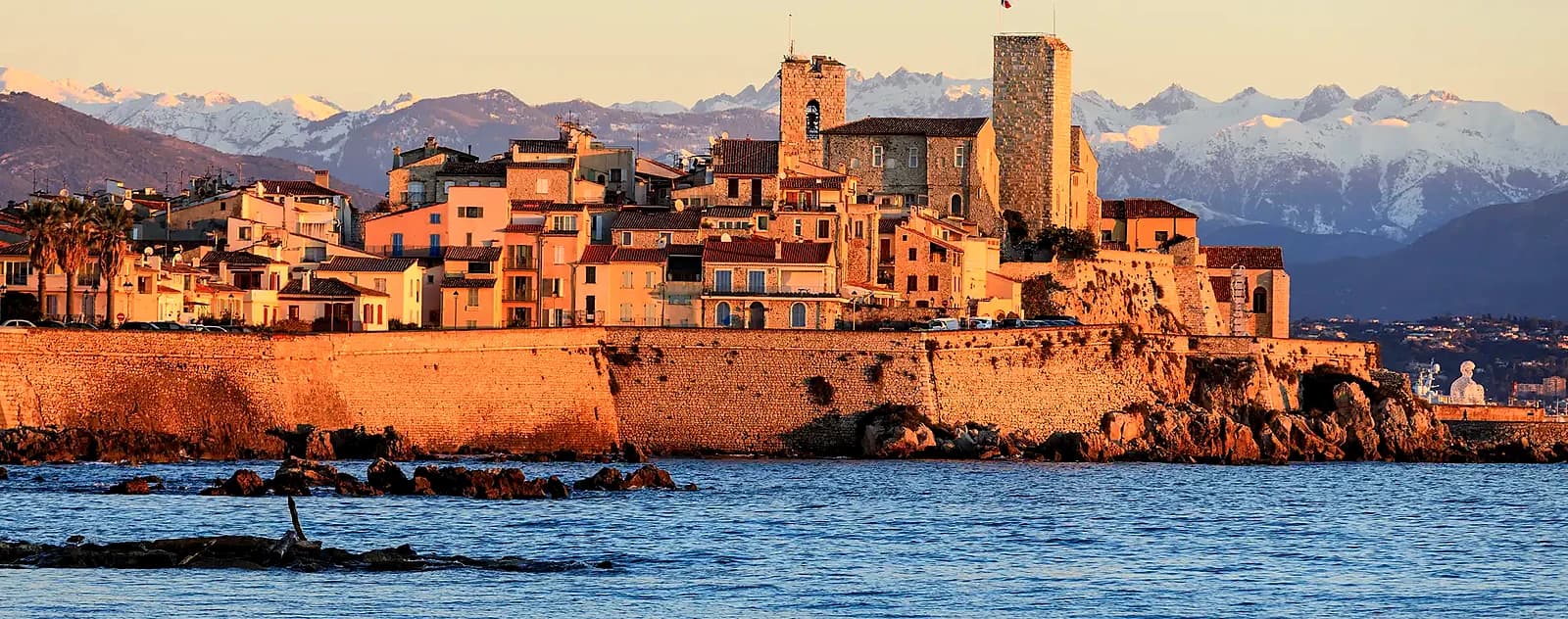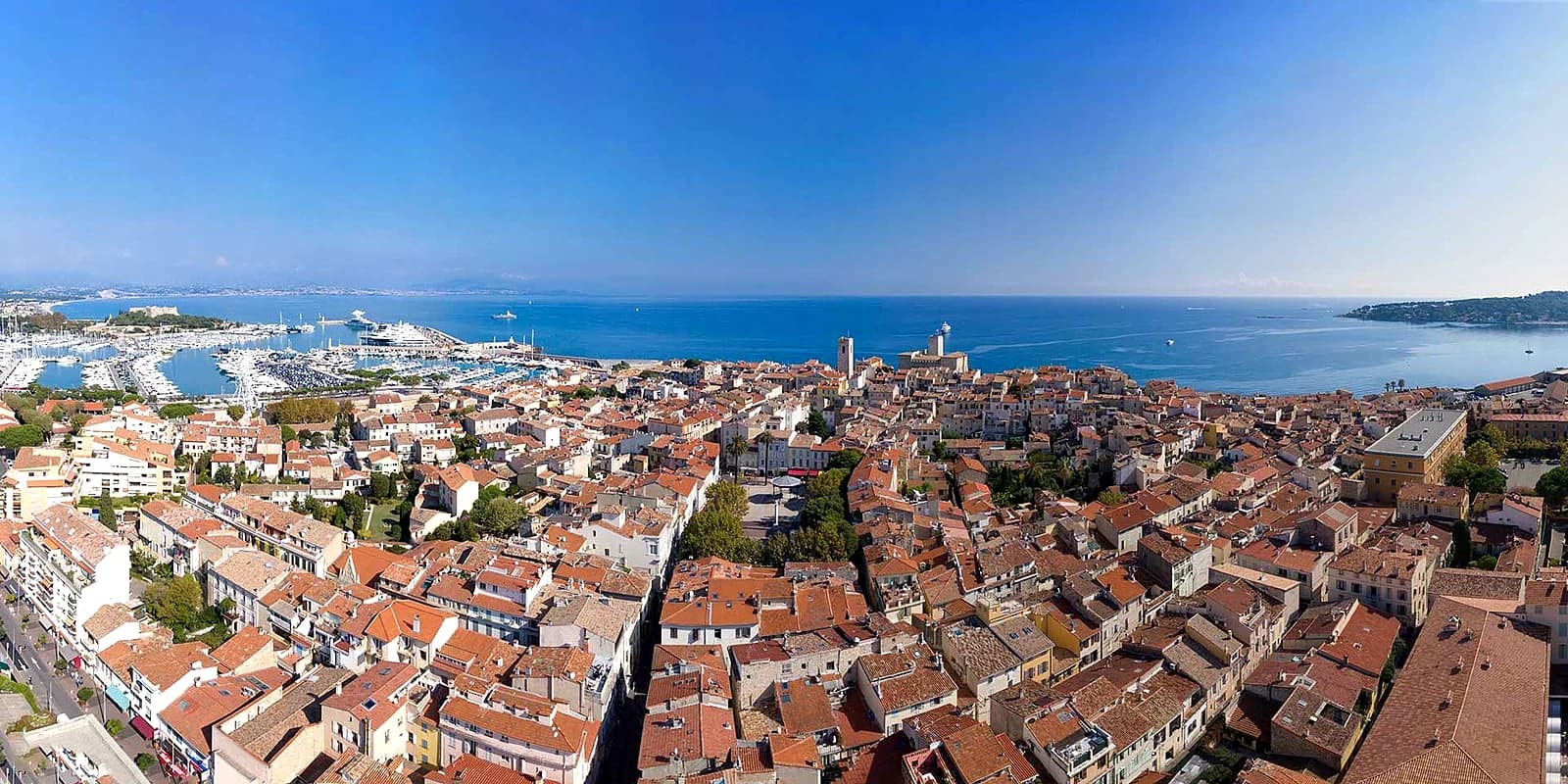
Antibes rewards slow travellers. Between Nice and Cannes, the old town packs a morning market, the first museum ever dedicated to Picasso, sea ramparts and a beach under the walls into a few walkable streets; the Cap, Juan-les-Pins and the rest of the Riviera are a short walk or a short train ride away. This is our short list — the things we send our own guests to do first — with a link to the full guide for each.
The old town and the ramparts
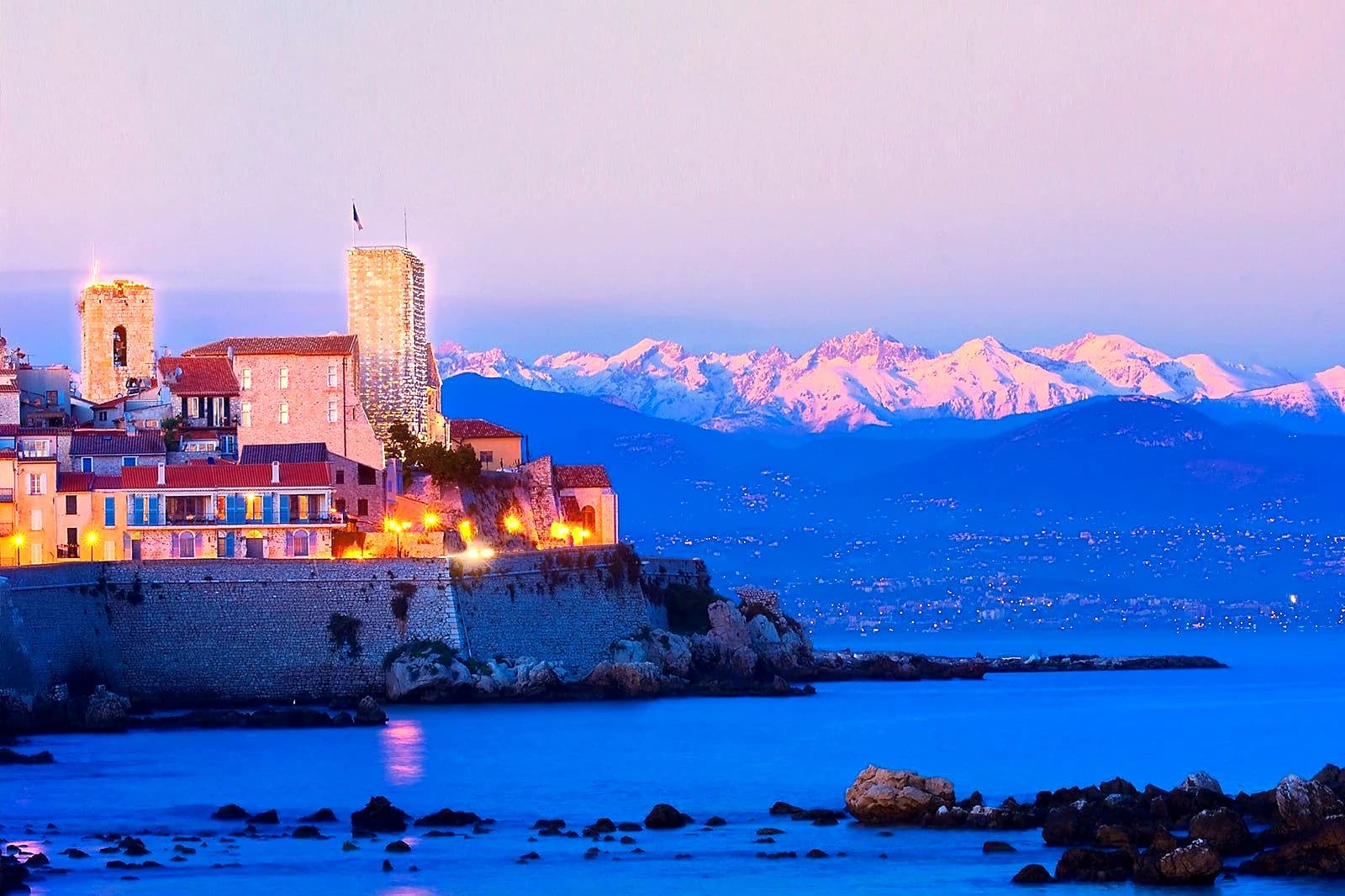
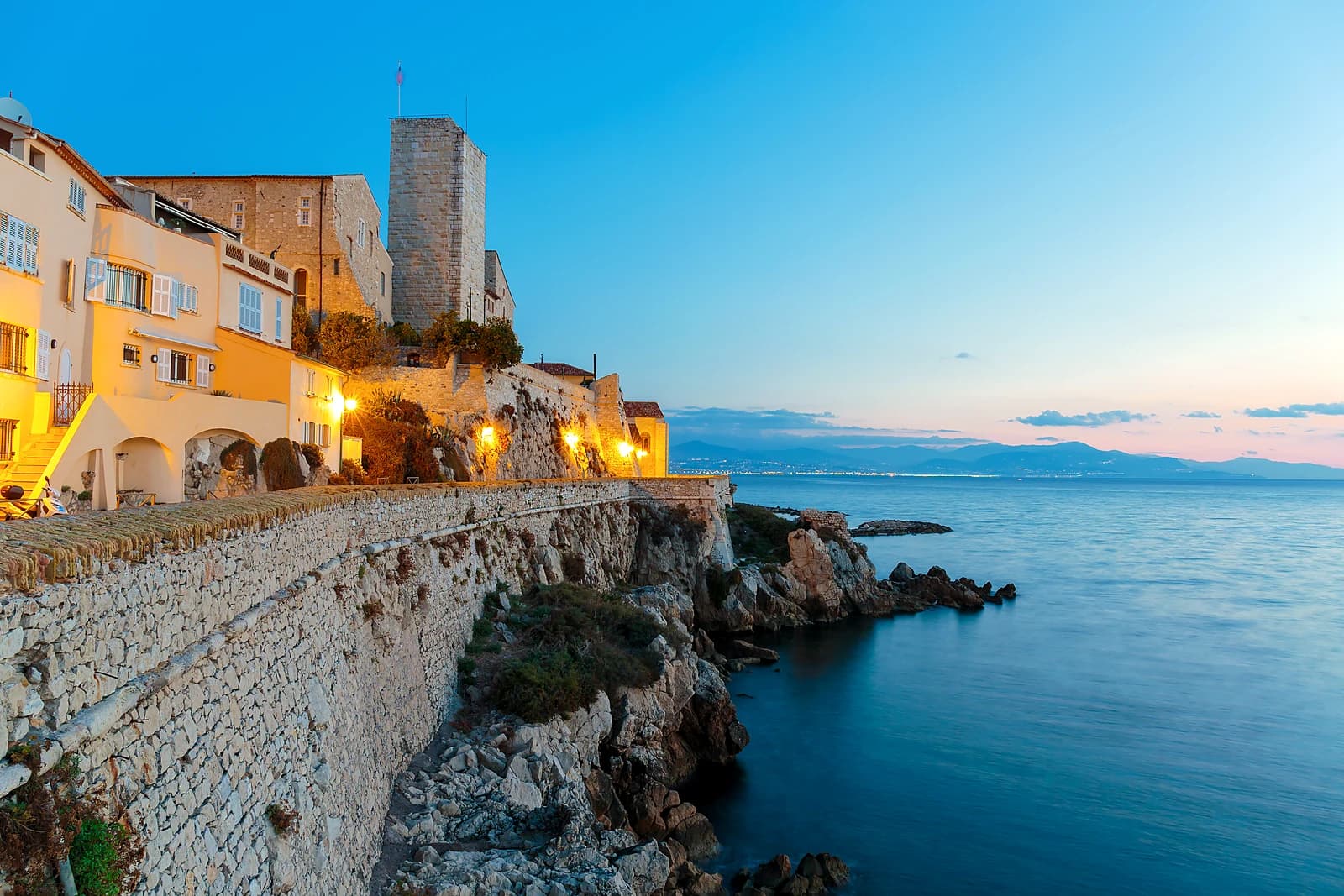
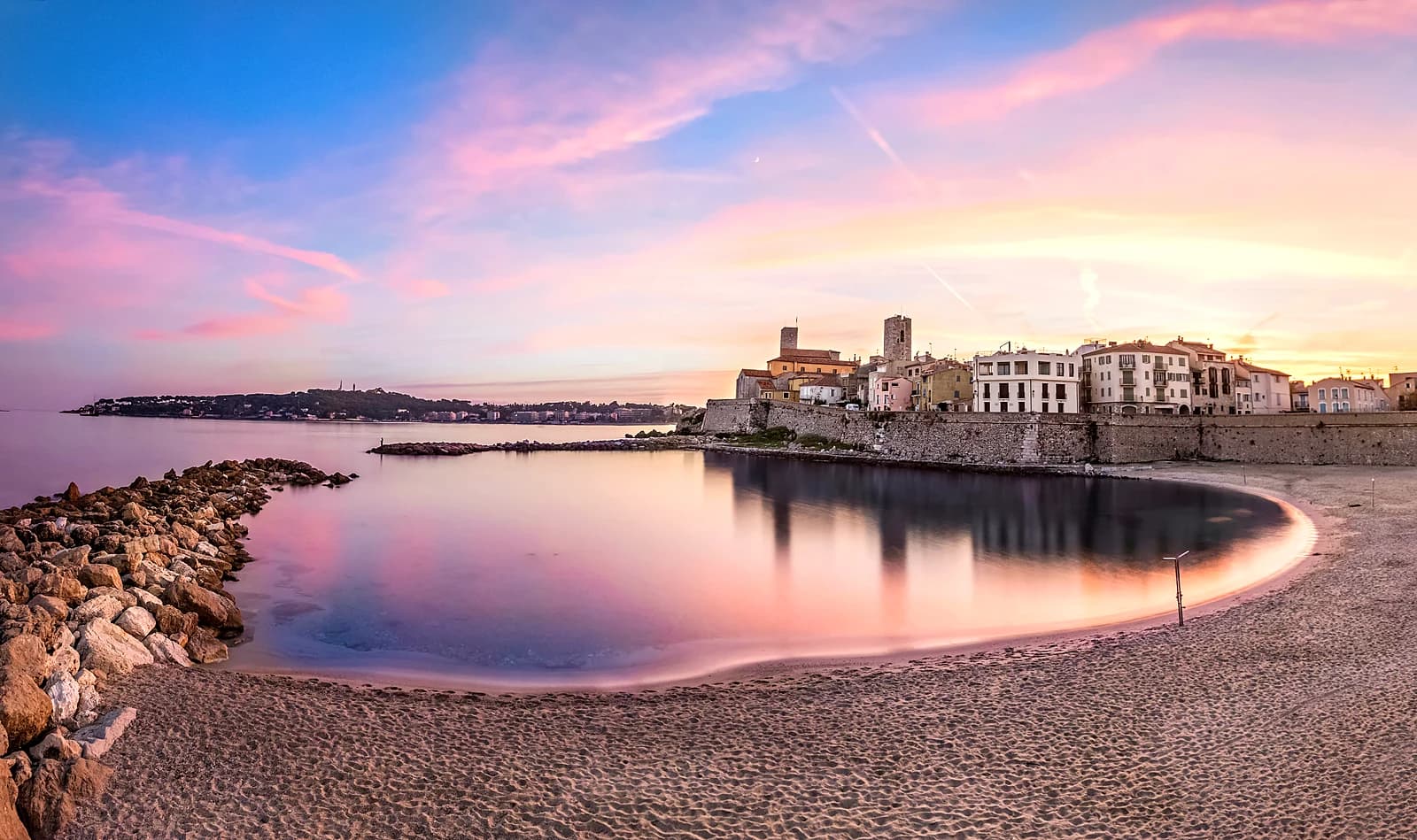
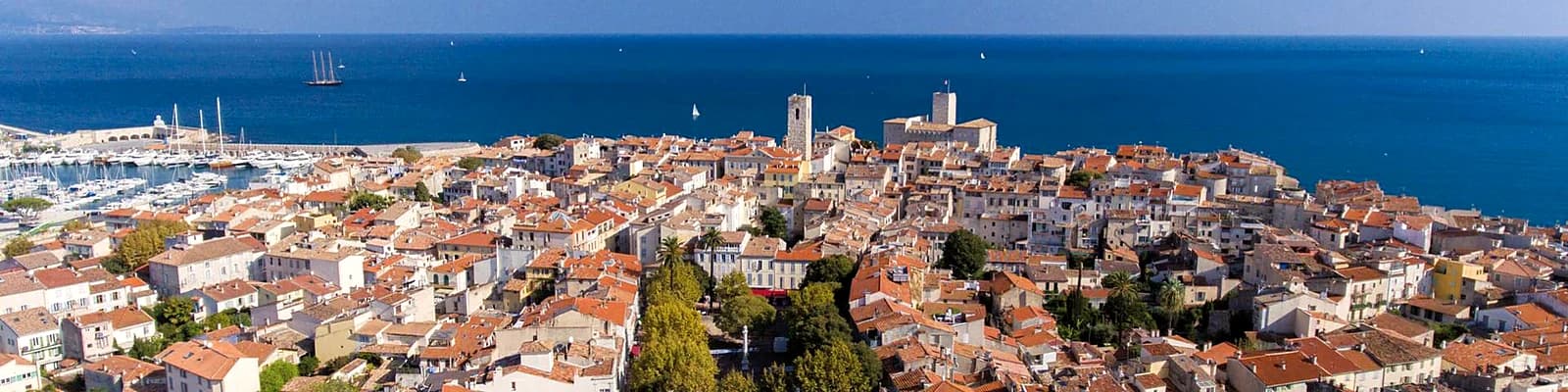
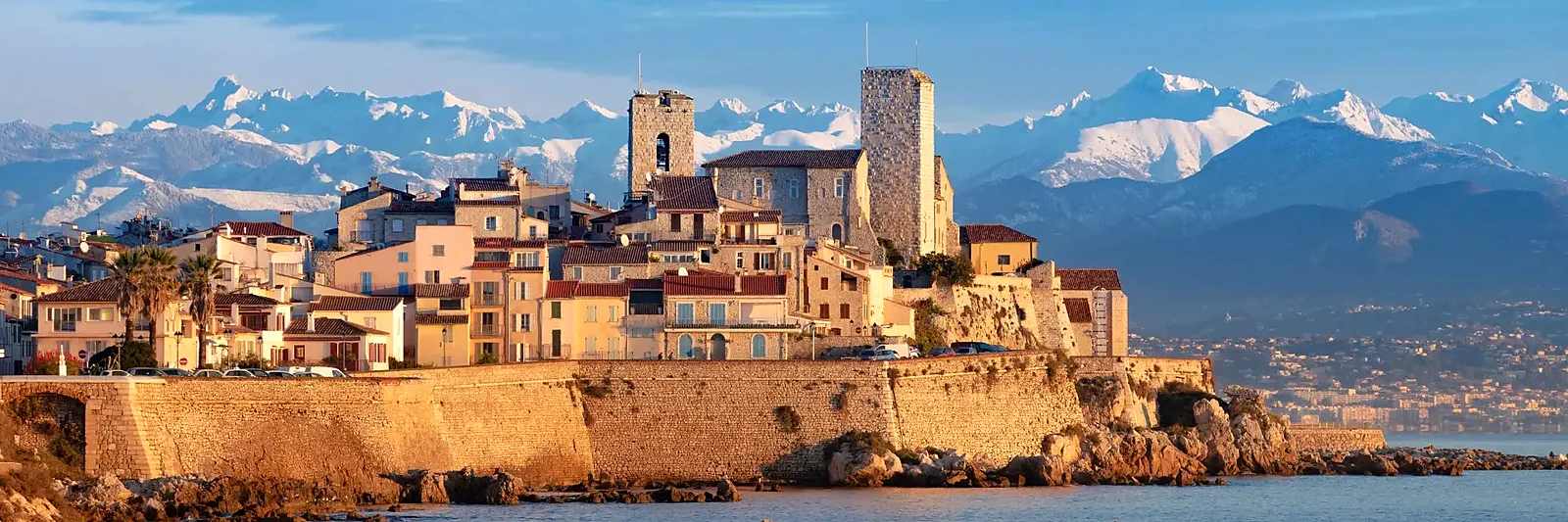
Start where the town started. The Promenade Amiral de Grasse runs along the sea wall from the cathedral, with the old town on one side and the Baie des Anges on the other, the Alps behind it on a clear day. Golden hour is the time; it costs nothing.
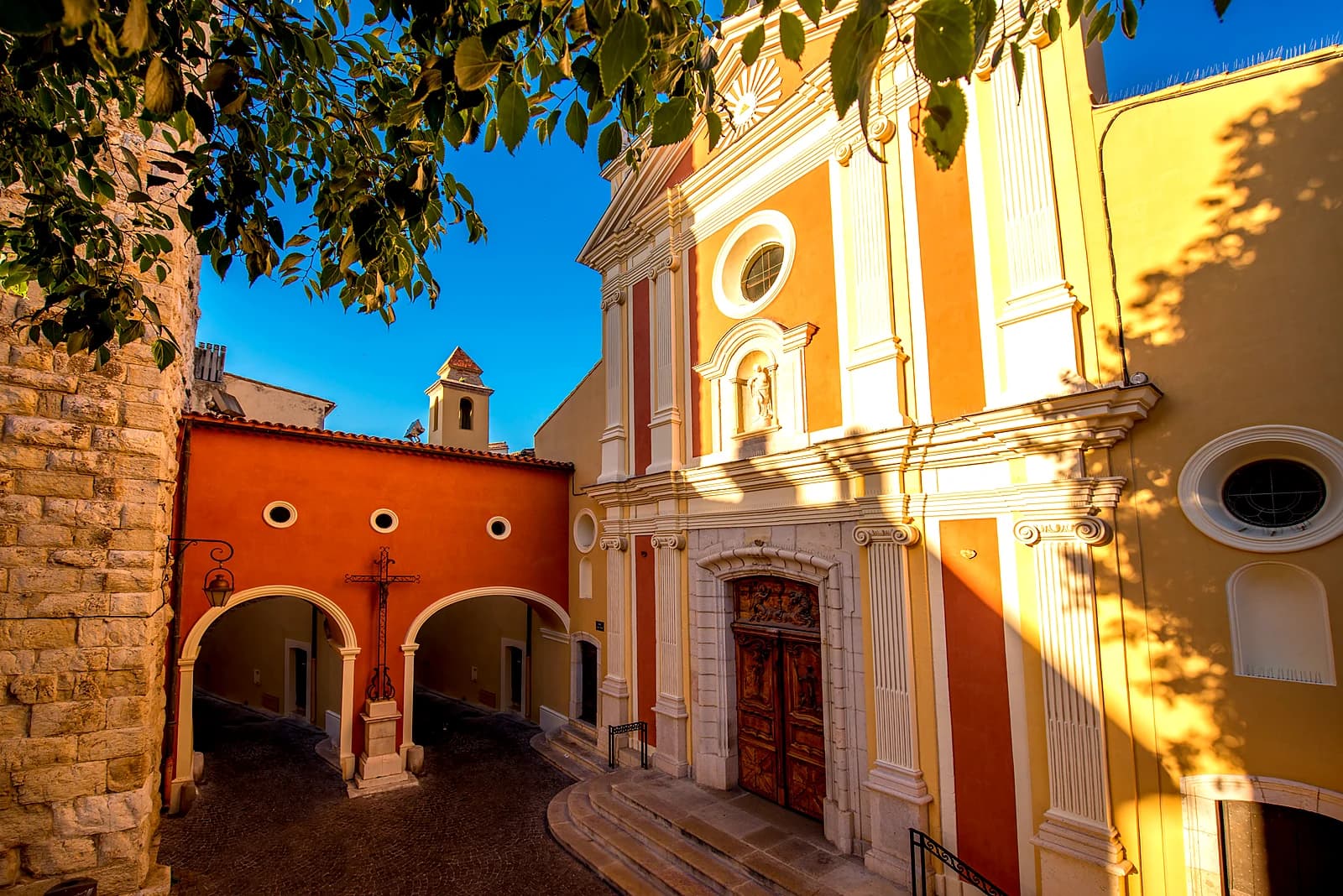
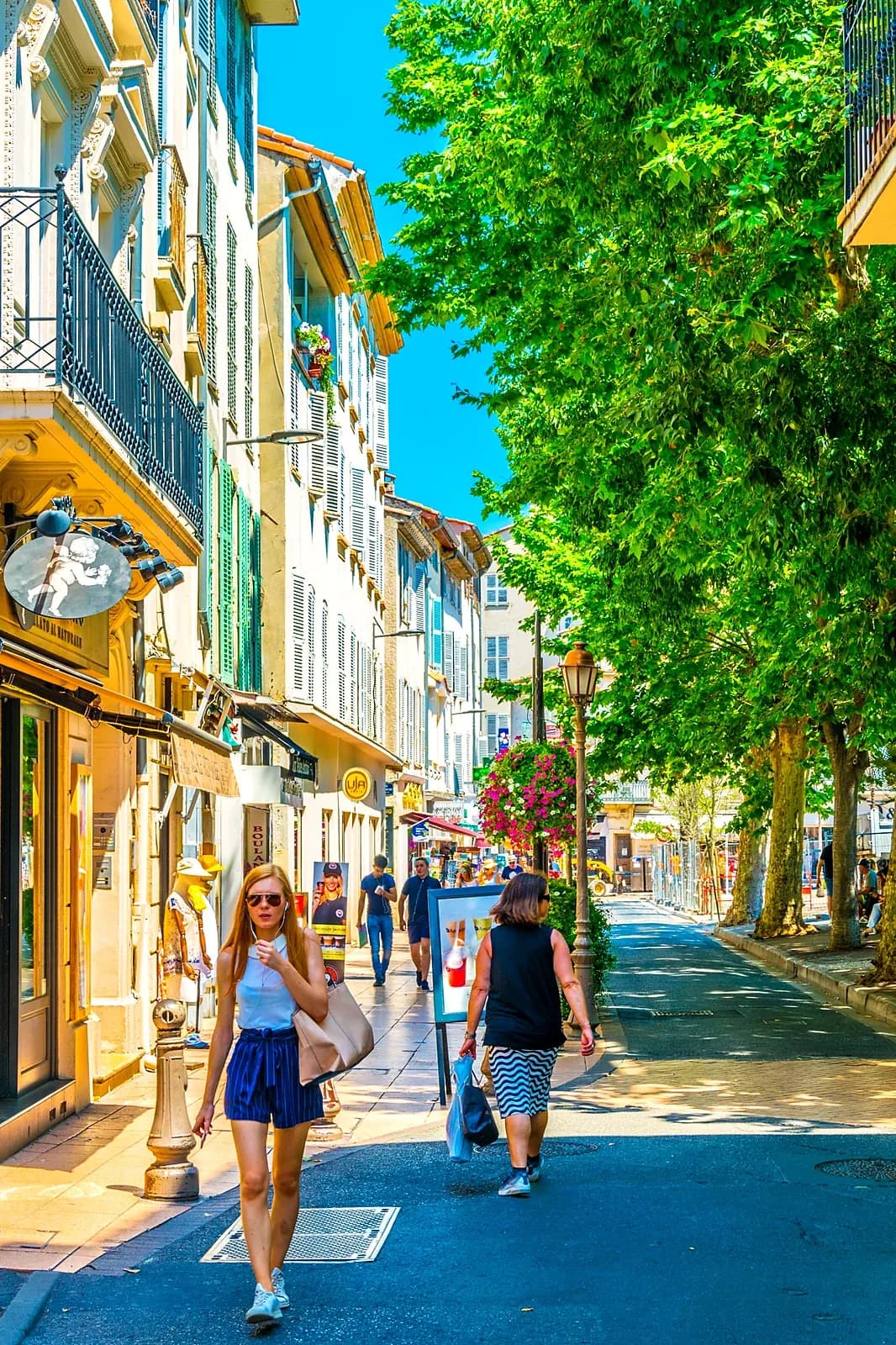
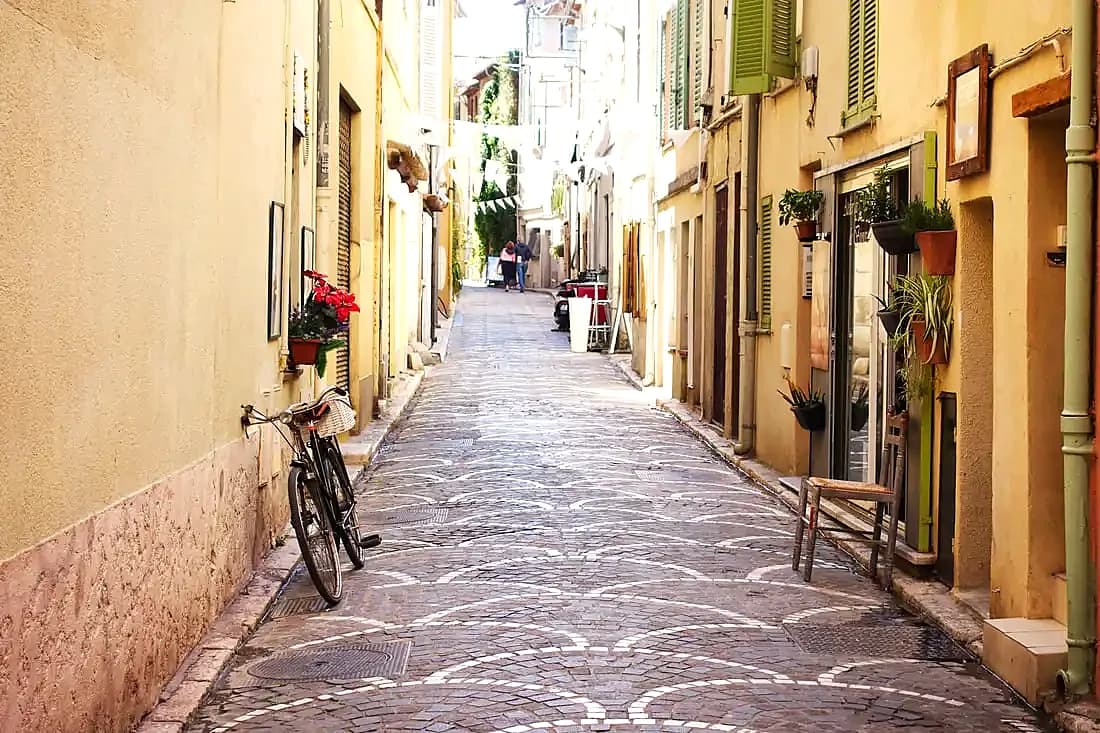
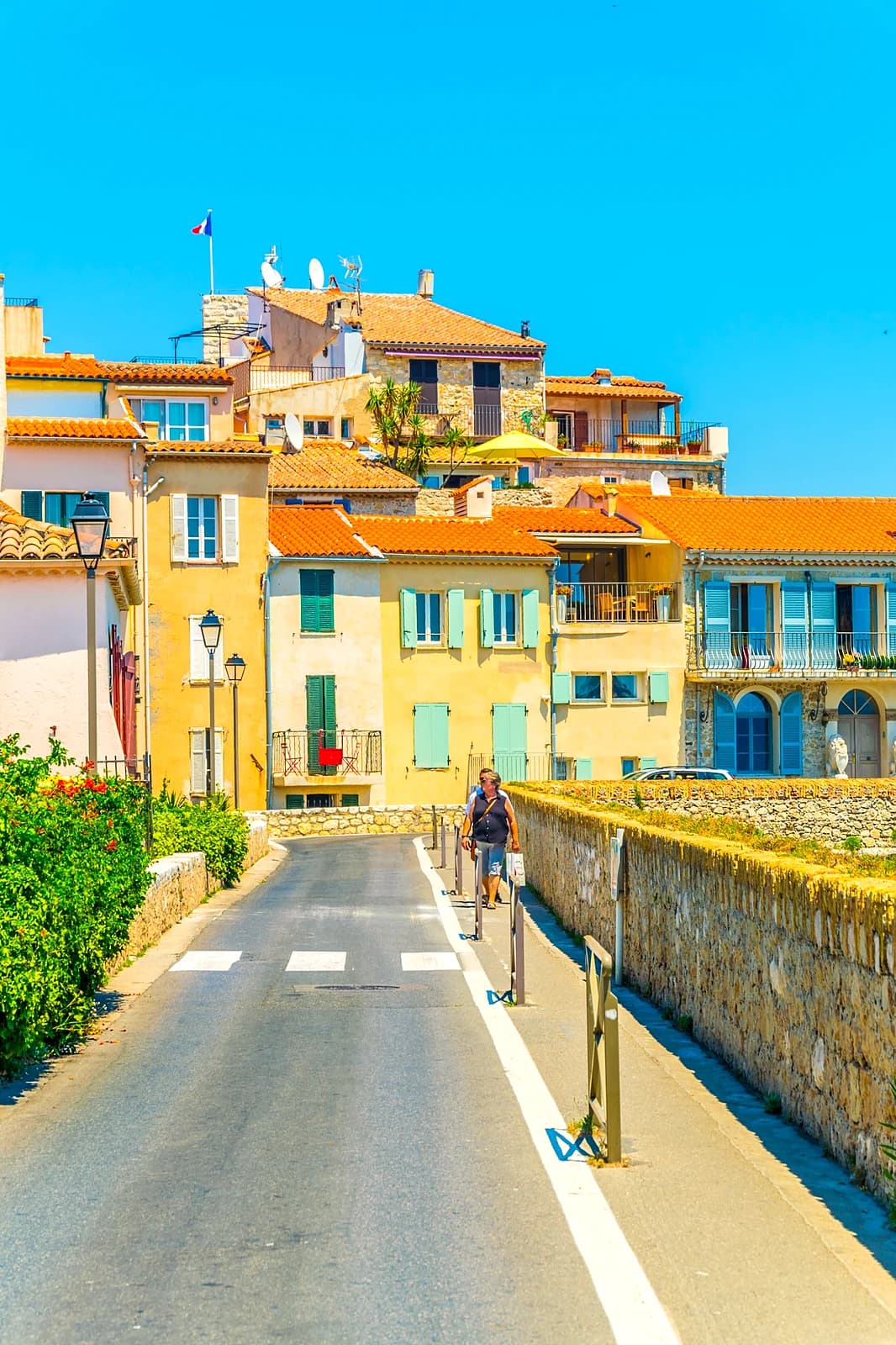
Behind the walls, the lanes of the Safranier, Place Nationale and the cathedral of Notre-Dame de la Platea are all inside a few minutes’ walk of each other — which is exactly the point of staying in the old town rather than outside it. Our houses are in it.
Discovering Old AntibesThe museums: Picasso first
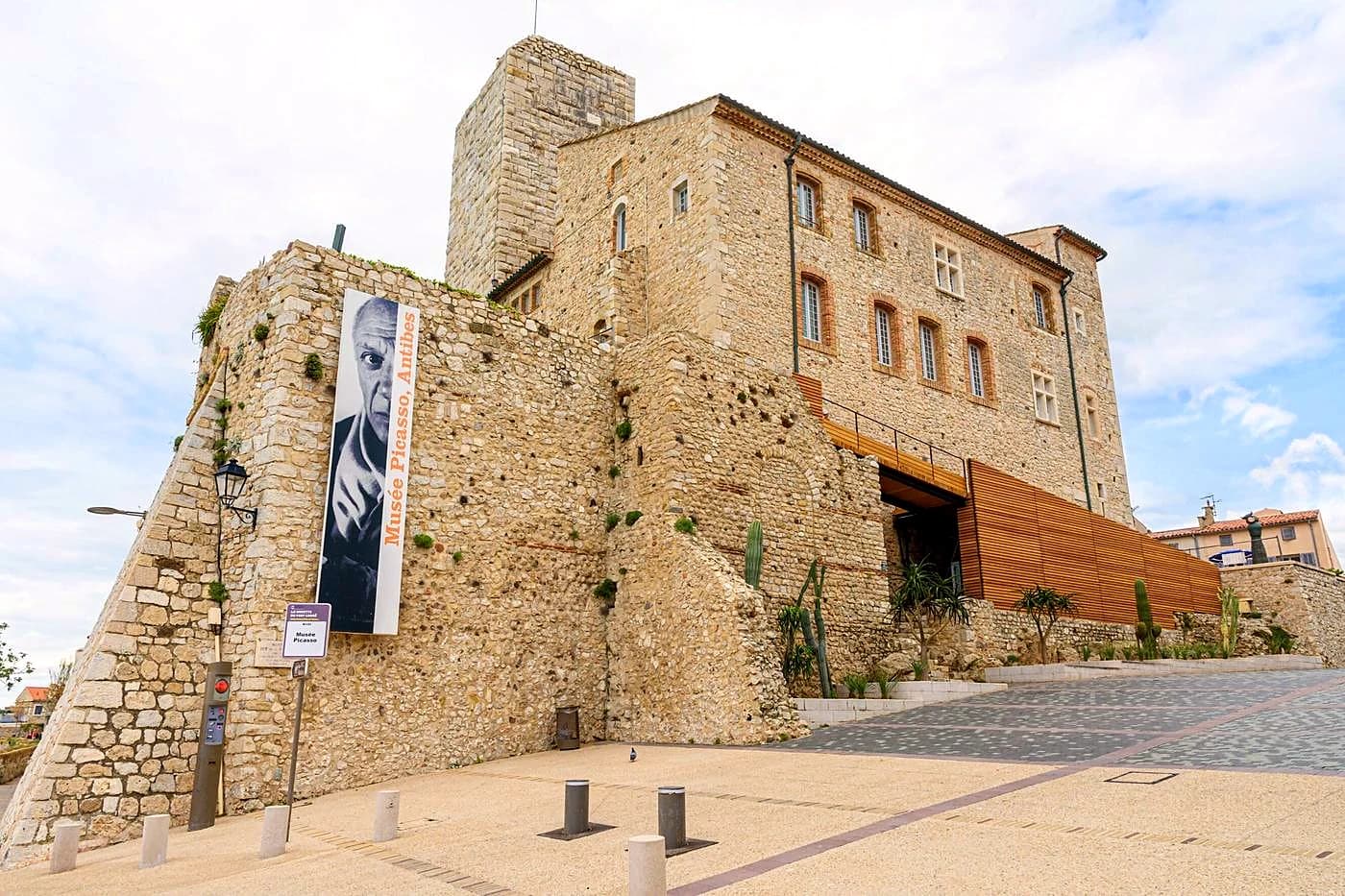
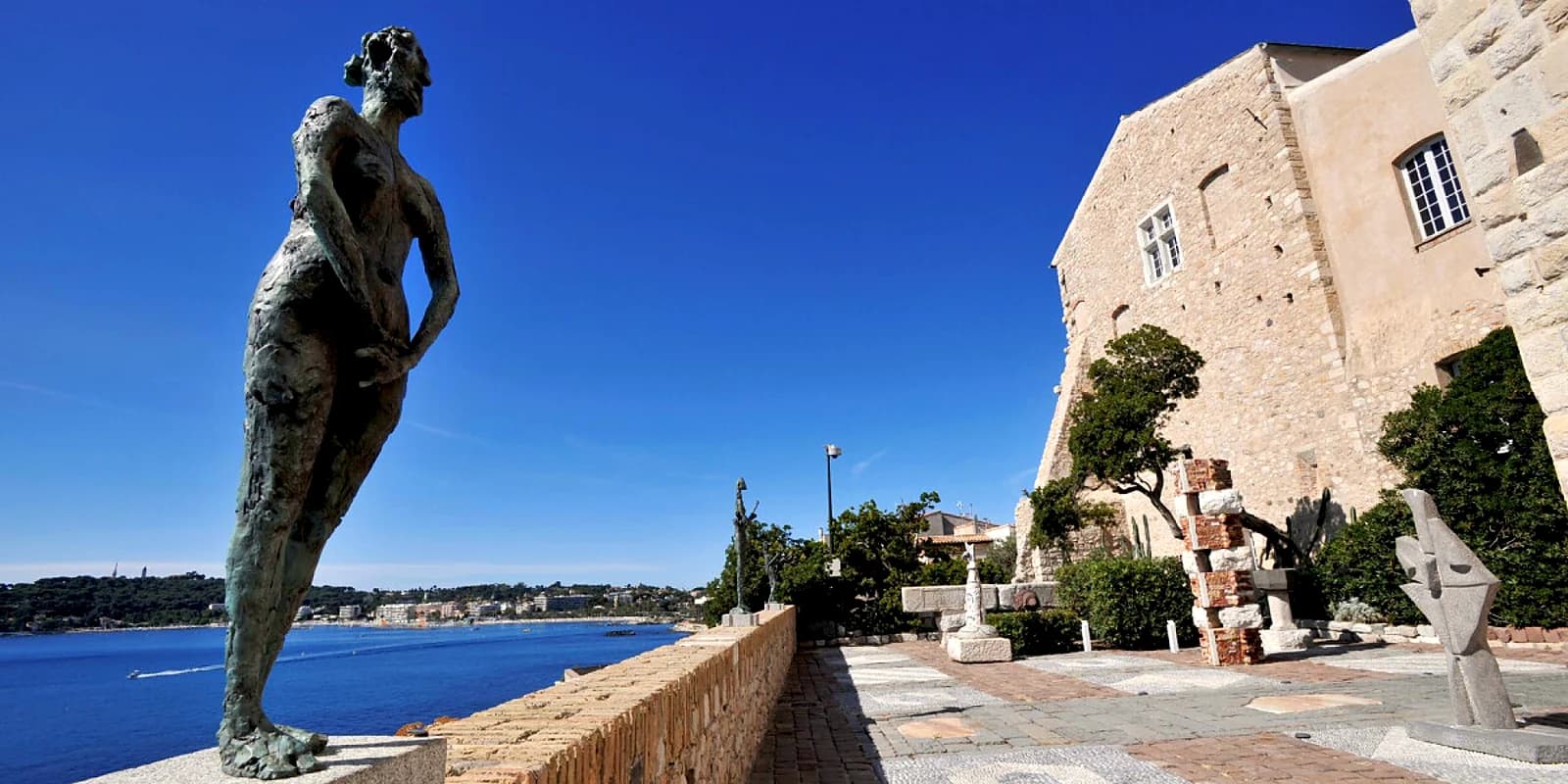
In the autumn of 1946 Picasso was lent a room in the Château Grimaldi as a studio. He left behind 23 paintings and 44 drawings, and in 1966 the château became the Musée Picasso, the first museum dedicated to him. Go for the sea-facing sculpture terrace as much as the collection.
It is closed on Mondays, and outside summer it closes for lunch. Entry is free for under-18s, and a €15 museum pass covers it for seven days along with the archaeology museum on the Bastion Saint-André, the Peynet museum of cartoons and drawing on Place Nationale, and the Fort Carré. For the Riviera’s other great collections — Léger in Biot, the Maeght Foundation, Matisse and Chagall in Nice — see our museums guide.
The Picasso Museum, in detailThe Provençal market
Under the iron canopy of the Cours Masséna, the Marché Provençal sells vegetables, cheese, olives, flowers and fish every morning from Tuesday to Sunday between September and May, and every morning, Mondays included, from June to August. It winds down around one; arrive before eleven for the full display.
On several afternoons a week the same hall turns over to painters and ceramicists, and on Thursdays and Saturdays Place Nationale holds a flea and antiques market. Most guests tell us the best thing they did in Antibes was simply their morning walk to the market.
The Provençal market, day by day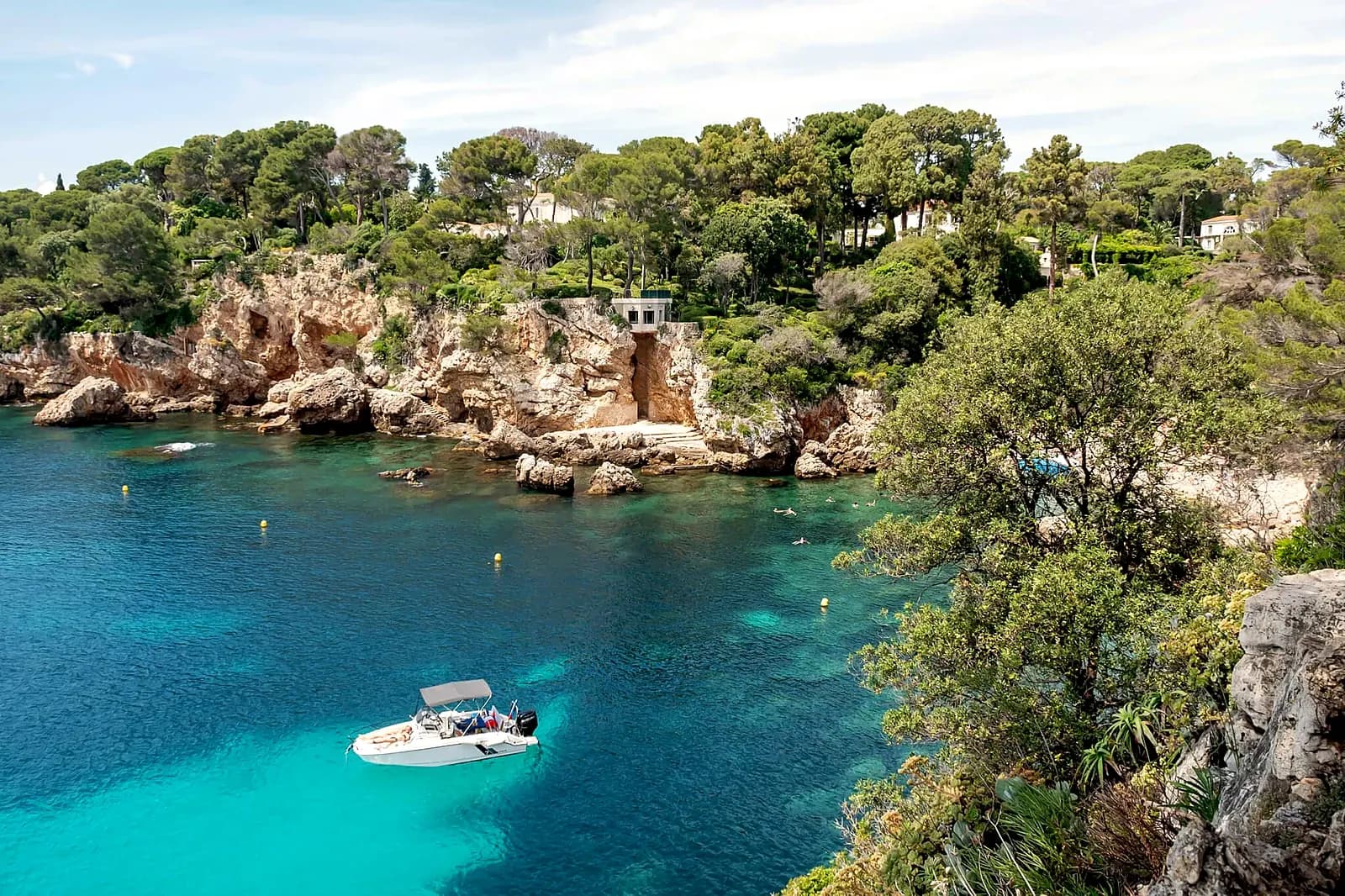
The sea: beaches, Juan-les-Pins and a day on a boat
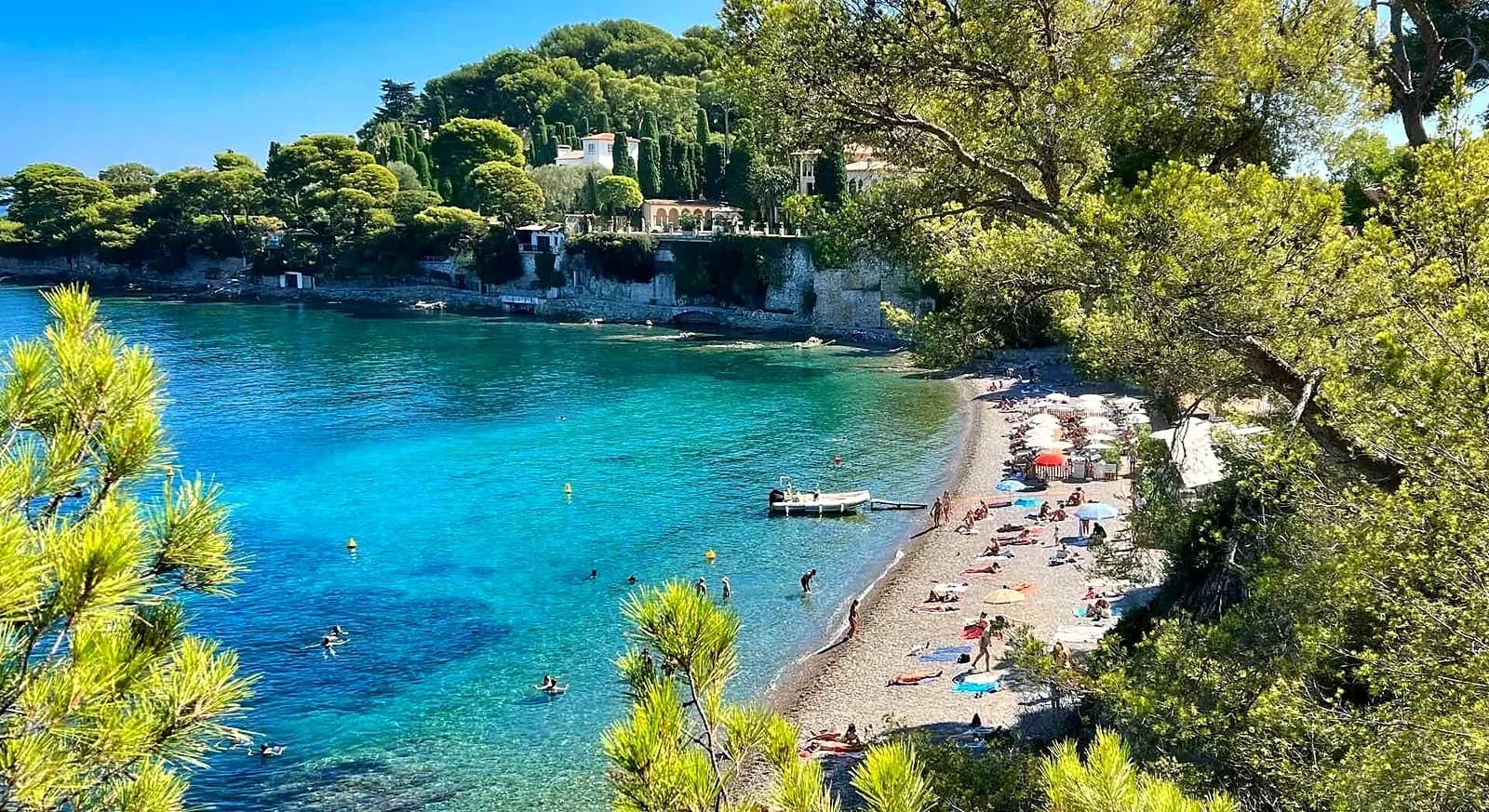
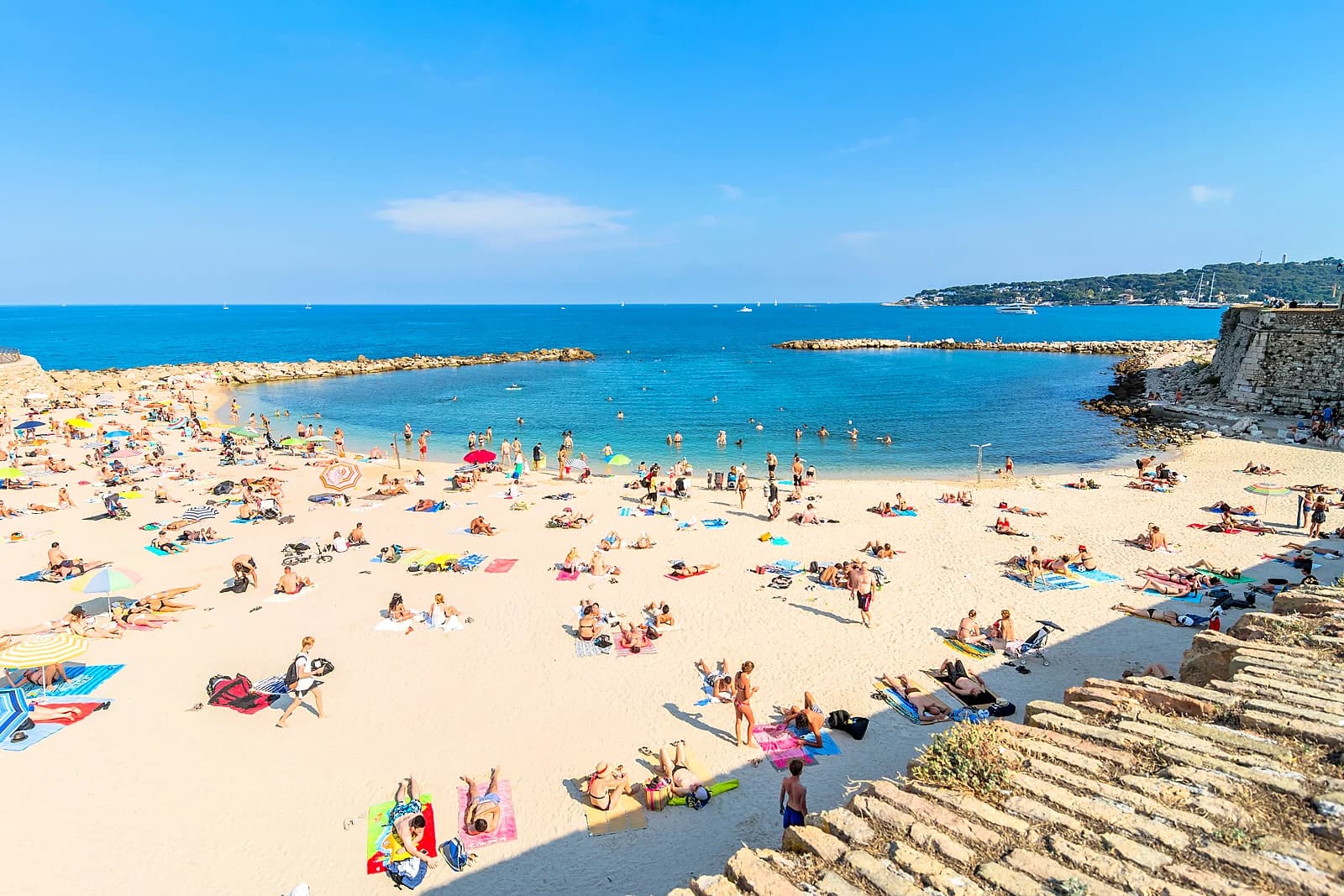
La Gravette, the sandy town beach inside the harbour walls, is sheltered from wind and swell and a few minutes on foot from our houses. Heading south, the Ponteil and the Salis face the old town and the Alps; further round, the Garoupe has clear, shallow water over sand.
Juan-les-Pins, across the isthmus, is the other Antibes: a twenty-minute walk or one stop on the train, a long sandy front, beach clubs and late evenings. It is also home to Jazz à Juan, a July festival held under the pines of the Pinède Gould since 1960.
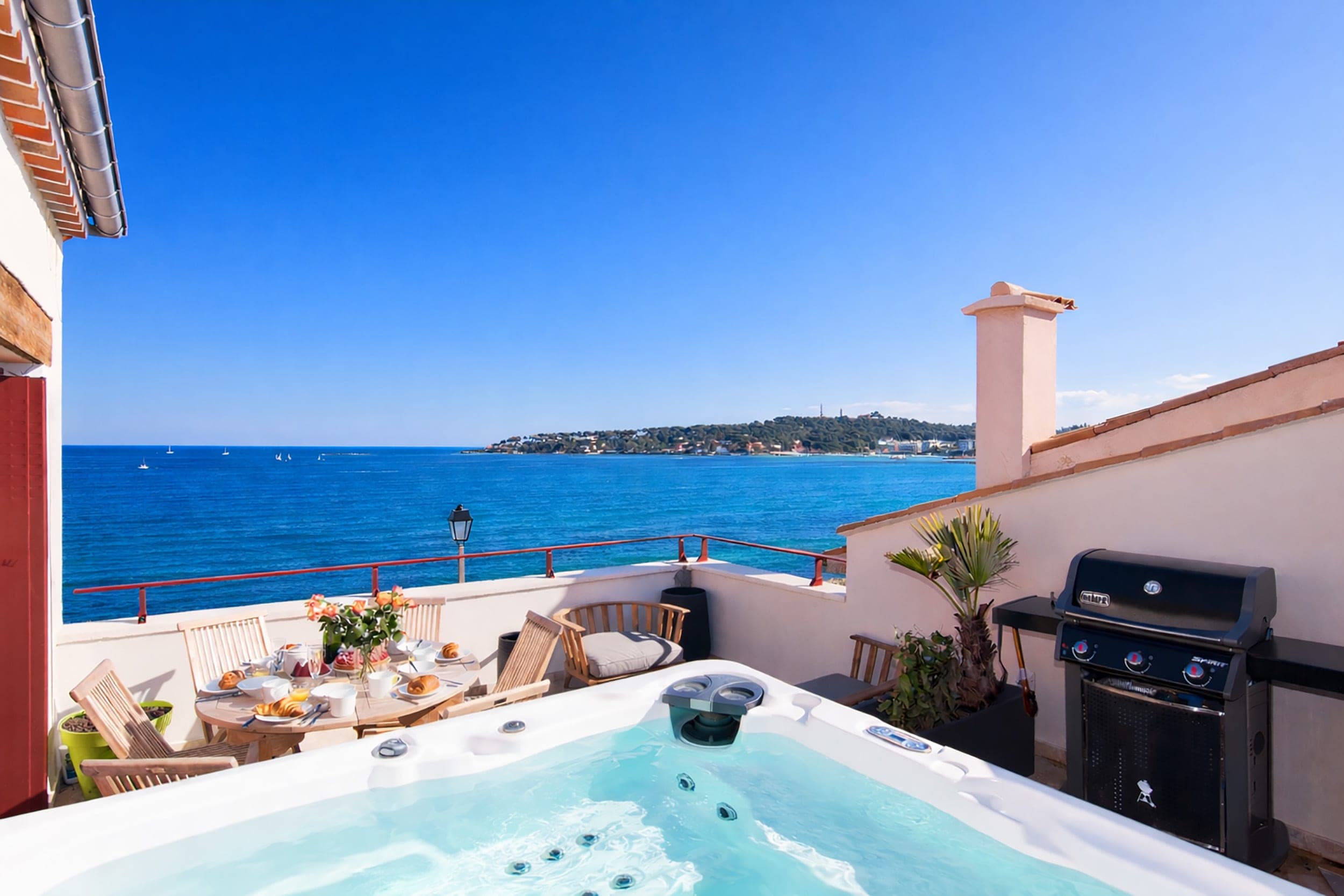
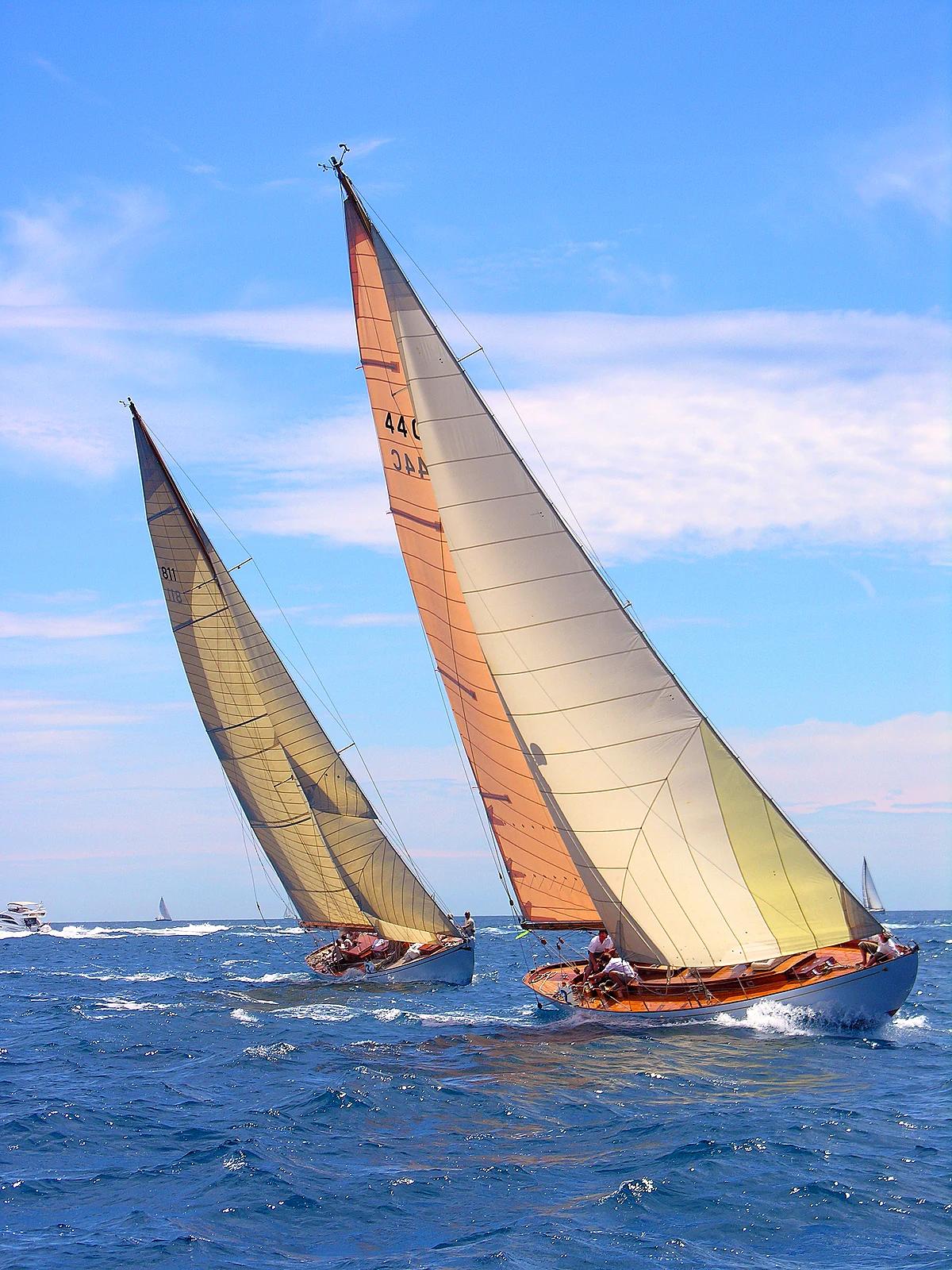
For a day at sea, boats can be hired at Port Vauban with or without a skipper: round the Cap, drop anchor in a cove, and you will understand the photograph above.
Every beach, and how to chooseThe Cap d’Antibes and its coastal path
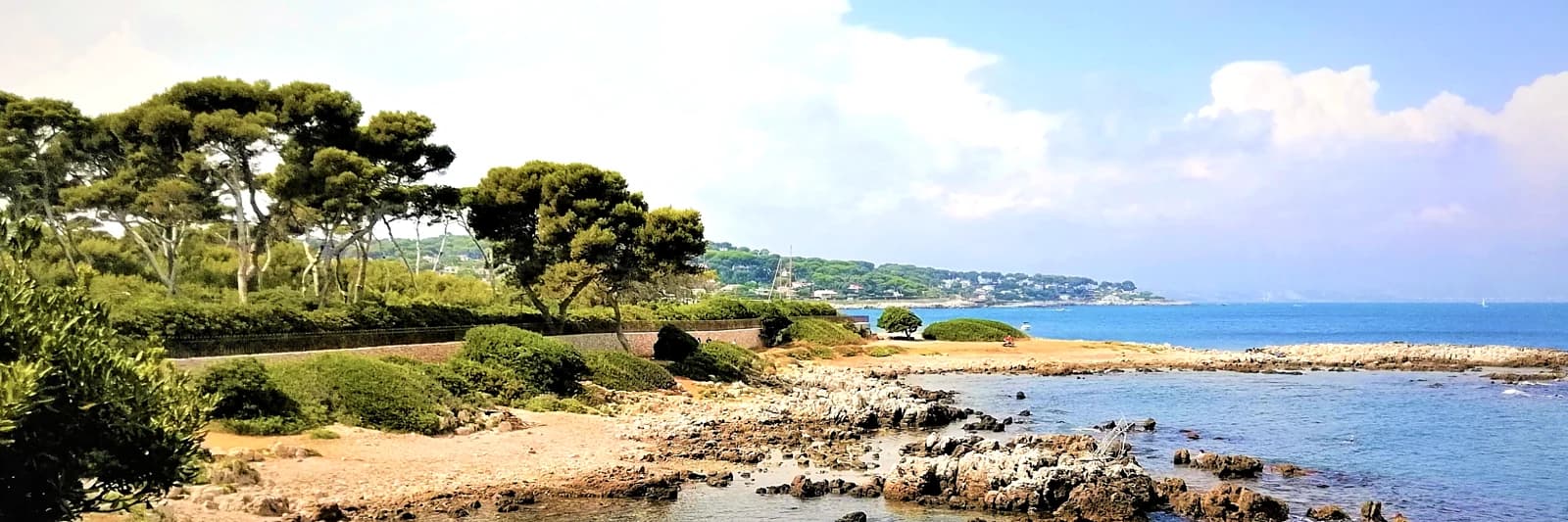
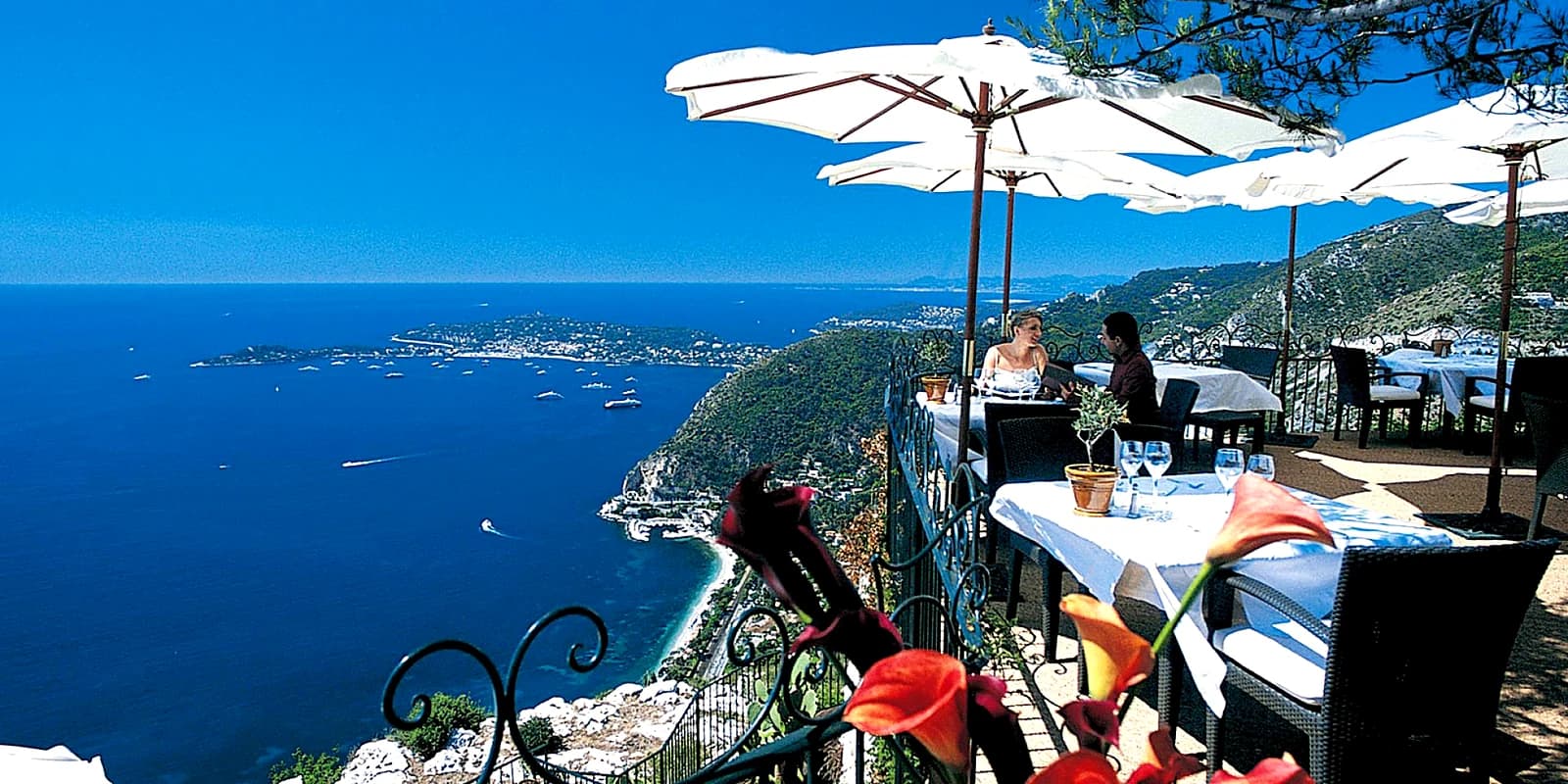
The Sentier du Littoral, also called the Tire-Poil or the Sentier des Douaniers, starts at the Garoupe beach and follows the rocks of the Cap: a loop of about five kilometres, two hours with the return by road. Wear proper shoes, and check before you go: it closes in rough weather, and a short section below the Villa Eilenroc is closed for cliff works until May 2027.
Above it, the Garoupe lighthouse and chapel look down from the plateau, a hundred metres up. Gardeners should not miss the Villa Thuret, a state-owned botanical garden of exotic trees, free to visit on weekdays.
The coastal path, step by stepPort Vauban, the Nomade and the Fort Carré
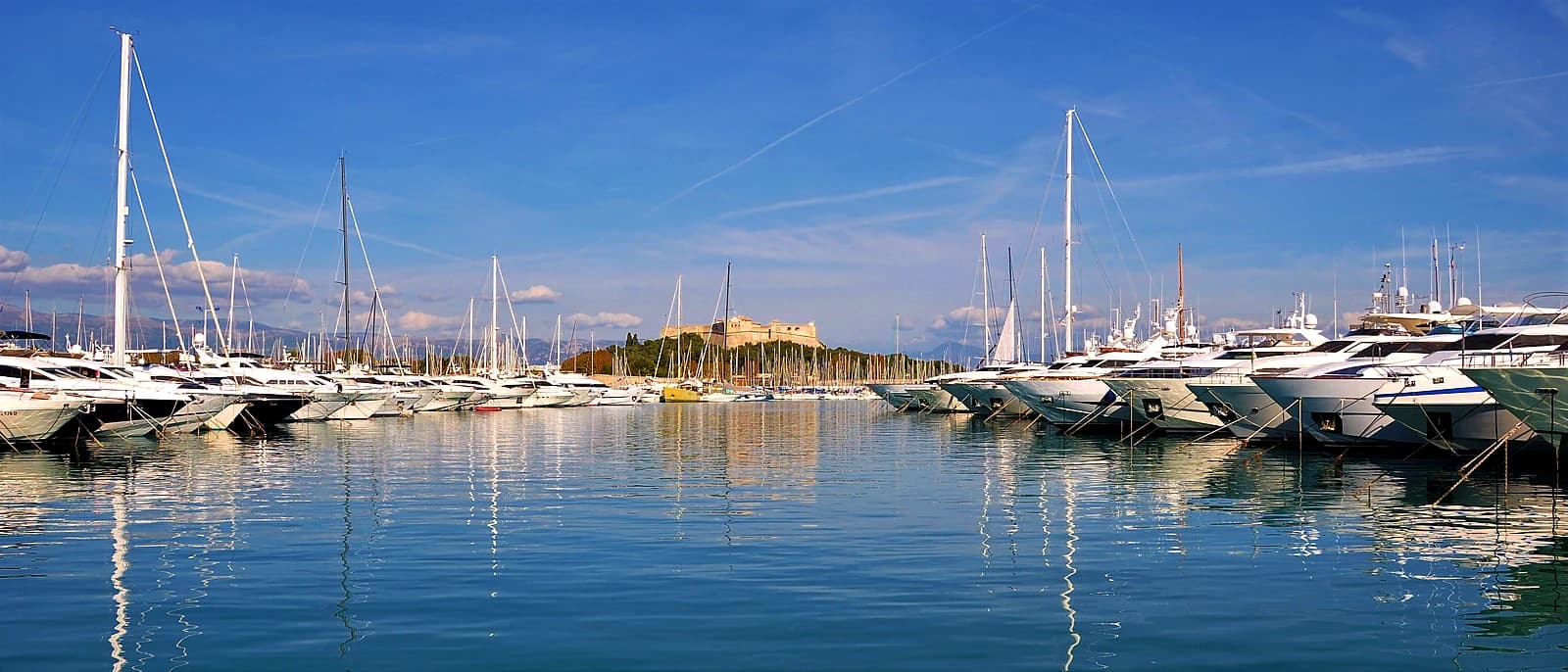
Leave the walls by the Porte Marine and you are in Port Vauban, around 1,500 berths, where small fishing boats share the water with superyachts on the Quai des Milliardaires. The quay itself is closed to the public; the ramparts above it give the better view anyway.
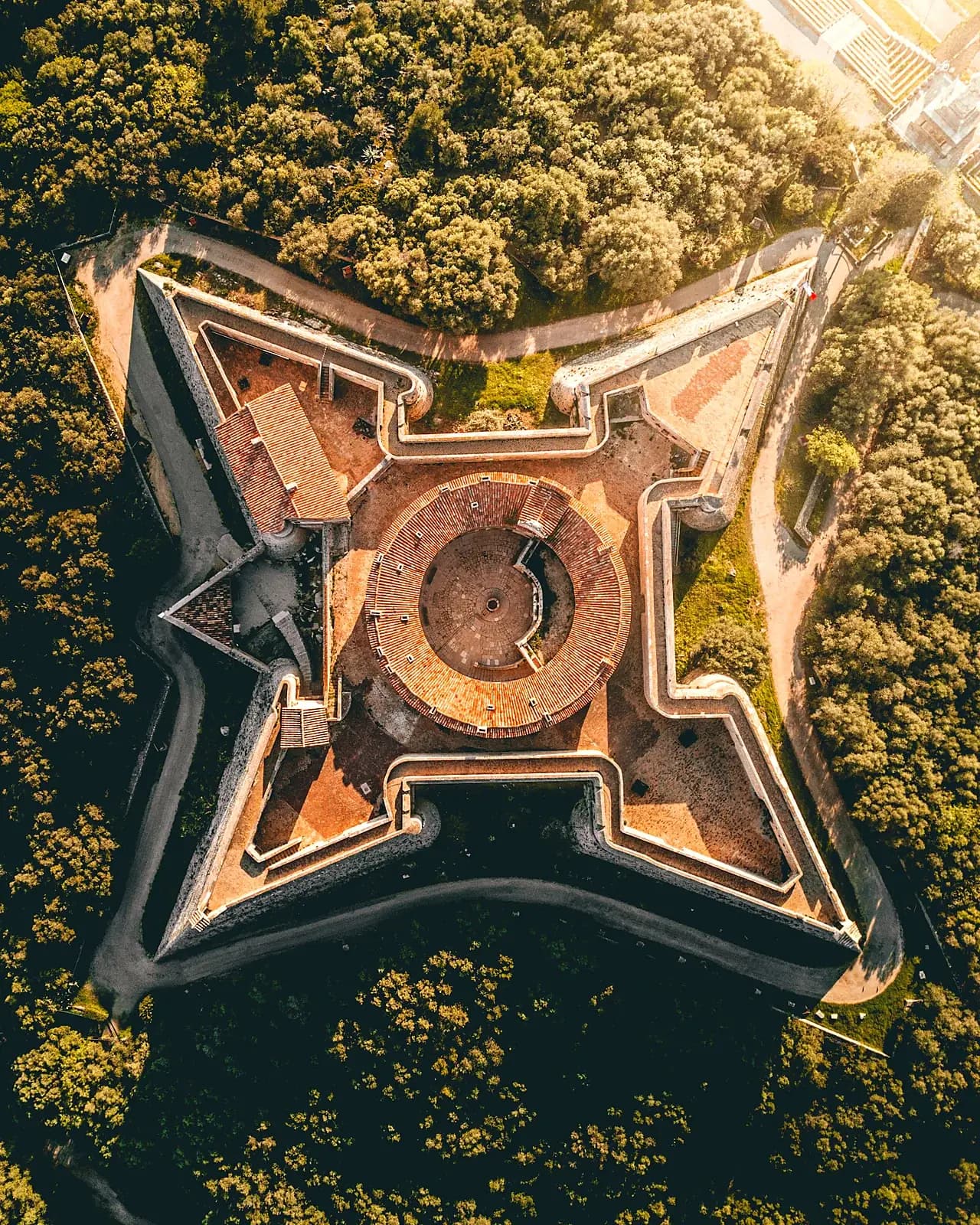
At the harbour entrance, on the Saint-Jaume bastion, sits Jaume Plensa’s Nomade, an eight-metre figure made of letters that you can step inside, free. Across the water, the sixteenth-century Fort Carré watches the bay. It is closed on Mondays and its listing showed it as temporarily closed in 2026, so check before you walk out.
Port Vauban and the Billionaires’ Quay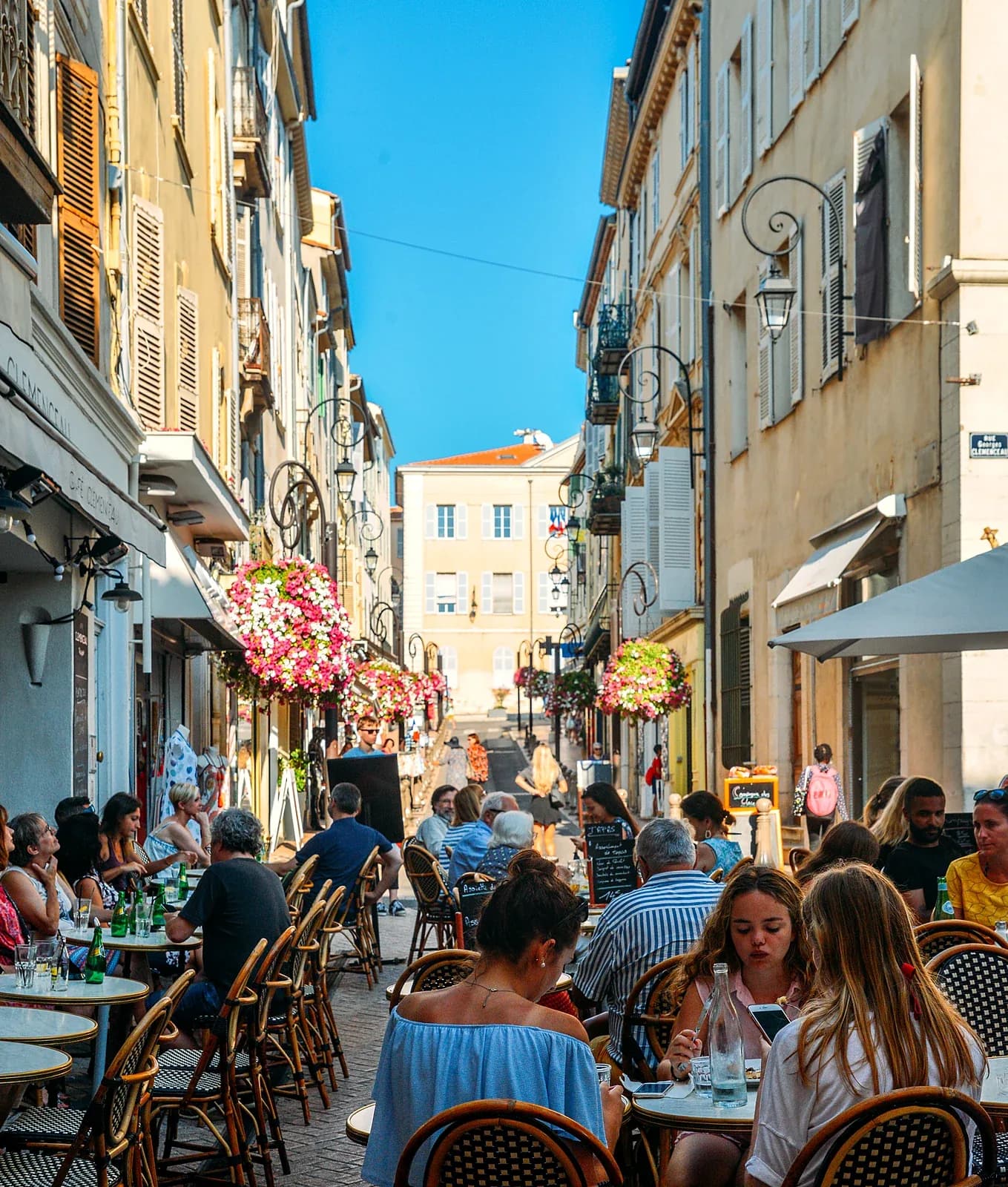
Antibes in every season, winter included
Antibes is one of the rare Riviera towns that lives year-round. Summer brings the daily market, evening craft markets at the Pré des Pêcheurs in July and August, and Jazz à Juan. In winter the market keeps its Tuesday-to-Sunday rhythm, the Picasso Museum stays open, and the ramparts walk has snow on the Alps for a backdrop.
Two winter details worth planning around: the Picasso Museum is free for everyone for a week from the first Tuesday after 1 November, and again from the first Tuesday of February; and around Christmas the town’s market of chalets sets up on the Esplanade du Pré des Pêcheurs (last winter, from late November to early January). Language schools such as the Centre International d’Antibes teach French all year, and the old town keeps proper bakeries and fishmongers, not just souvenir shops.
Christmas in AntibesDay trips from Antibes
Antibes sits in the middle of the coast, and the station is a twelve-minute walk from the old town. By direct train, Cannes is about fifteen minutes away, Nice about twenty and Monaco about an hour. From Cannes, boats cross to the Lérins Islands in fifteen to twenty minutes.
Inland, Biot has its glassblowers and the Fernand Léger museum, and Saint-Paul-de-Vence the Maeght Foundation. None of it needs a car for the week; a hire car for a single day covers the hill villages.
Day trips from AntibesQuestions
How many days do you need in Antibes?
Two full days cover the old town, the Picasso Museum, the market, a beach and the Cap coastal path. With four or five you can add Juan-les-Pins and day trips to Cannes, Nice or the Lérins Islands.
Can you visit Antibes without a car?
Yes. The old town is walkable, the station is a twelve-minute walk from it, and direct trains reach Cannes in about fifteen minutes and Nice in about twenty.
Is Antibes worth visiting in winter?
Yes. The Provençal market opens every morning except Monday, the Picasso Museum stays open from Tuesday to Sunday, and in December the town puts up its lights and a Christmas market. The ramparts walk, with snow on the Alps across the bay, is at its best in winter light.
What is there to do in Antibes with kids?
La Gravette is a sheltered sandy beach under the walls, children can walk inside the Nomade sculpture on the harbour bastion, and the Picasso Museum is free for under-18s. Note that Marineland closed for good in January 2025.
Is it better to stay in Antibes or Nice?
Nice is a big city with the airport, a long seafront and more nightlife; Antibes is a small walled town between Nice and Cannes, with beaches below the old town. The train between them takes about twenty minutes, so staying in Antibes does not cut you off from Nice.
Everything on this page is minutes from our doors.
Seven restored houses inside the old town — live availability, transparent prices, and your hosts two streets away.
More from the guide
View the full guide →