Day one
A key, a quiet street, the sea
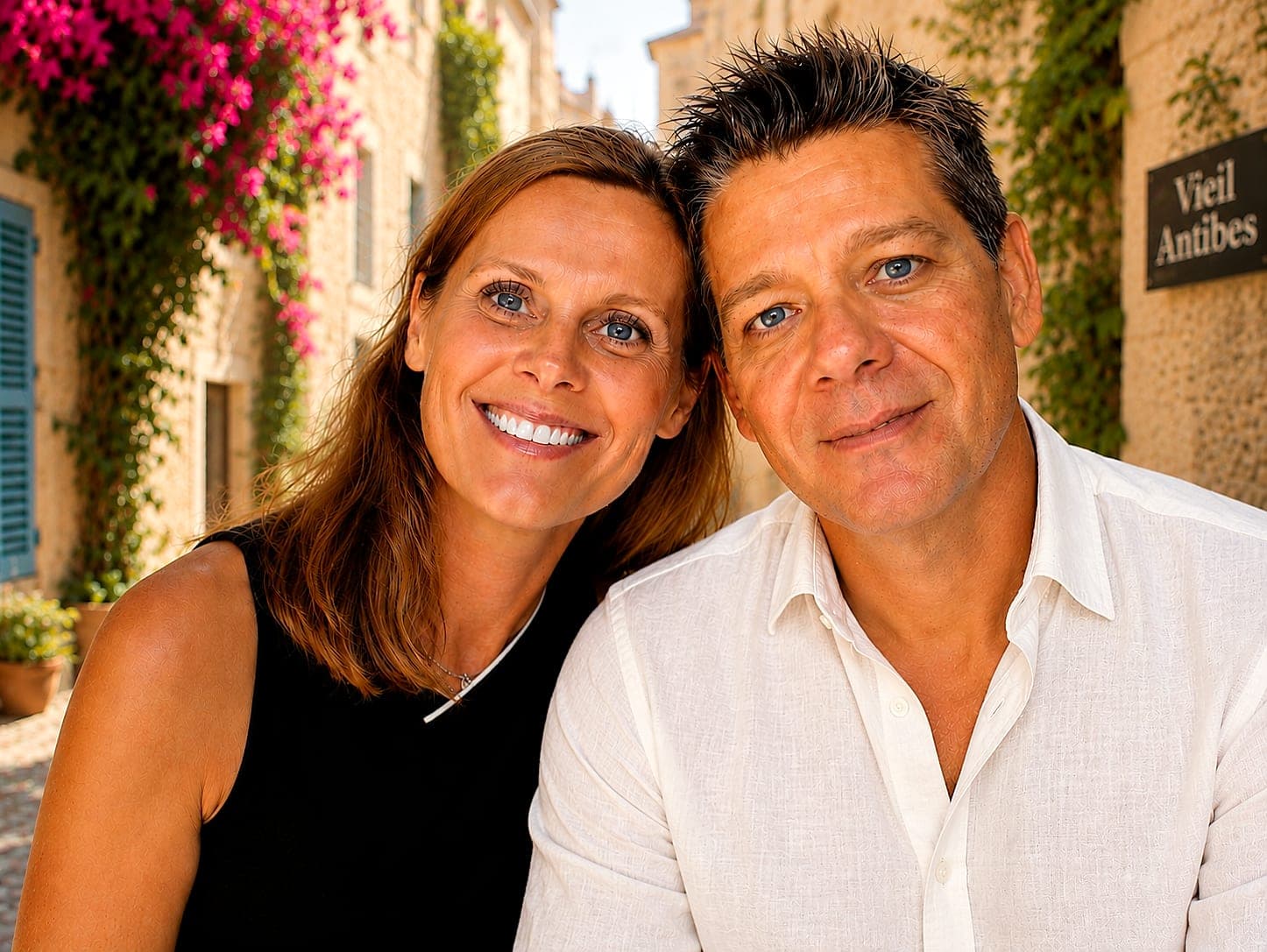
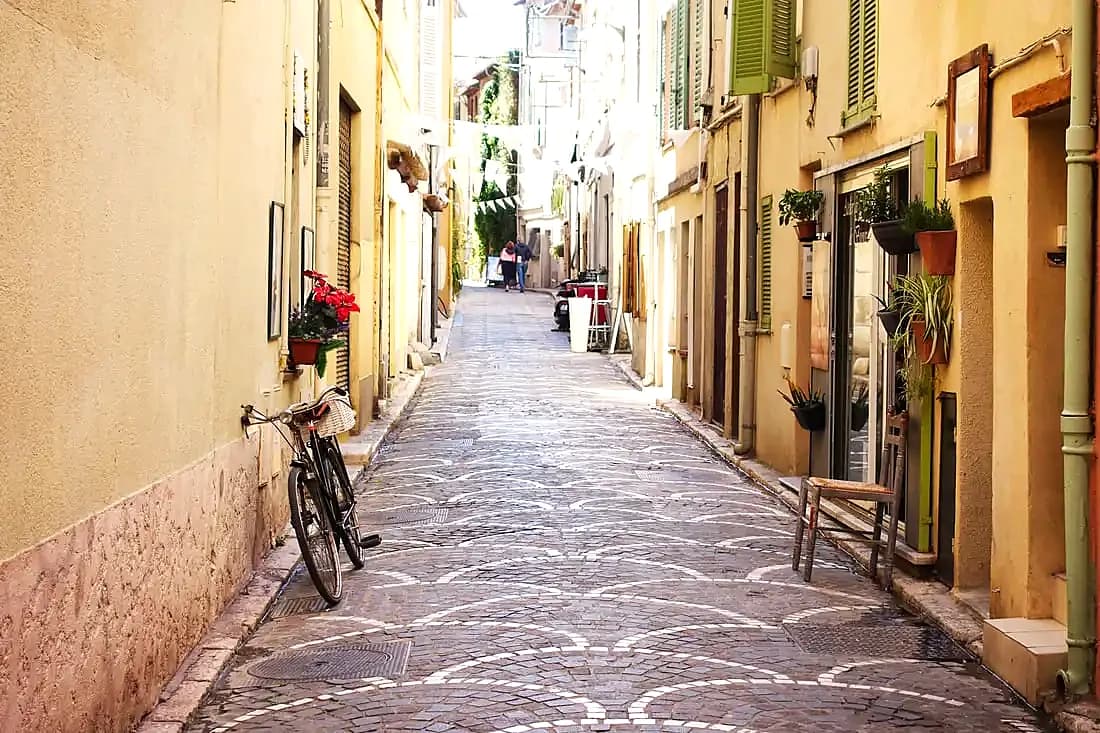
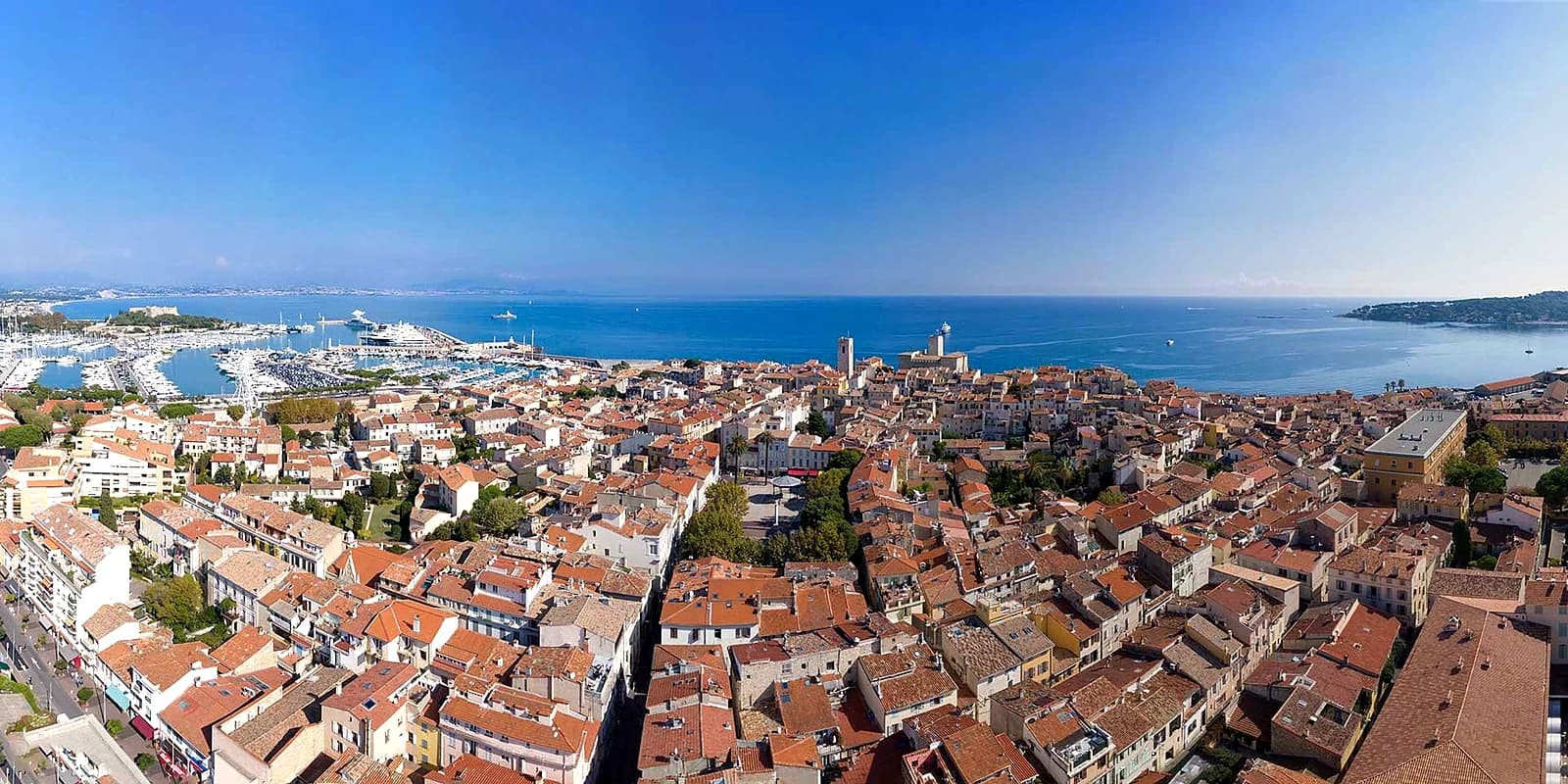
The arrival is the simplest part of the day: someone is waiting in front of the house. Maggy and Henri live two streets away, so being on the doorstep when a guest arrives is less a service than a habit — no lobby, no reception, just the keys and a proper tour of the house: how the shutters work, where everything lives, the balcony kept for last. The house is warm; in January the old town belongs to the people who live in it — gulls, a neighbour’s radio, and not much else.
For a returning guest, this doorstep has a particular flavour: last winter it was another of the seven houses, and the welcome simply picks the conversation up where it left off. Unpack properly — there is a laundry room, a real kitchen, two bathrooms. Three weeks is not a visit; the house is built to be lived in, and that is the point of it.
Day two
The market, with Henri
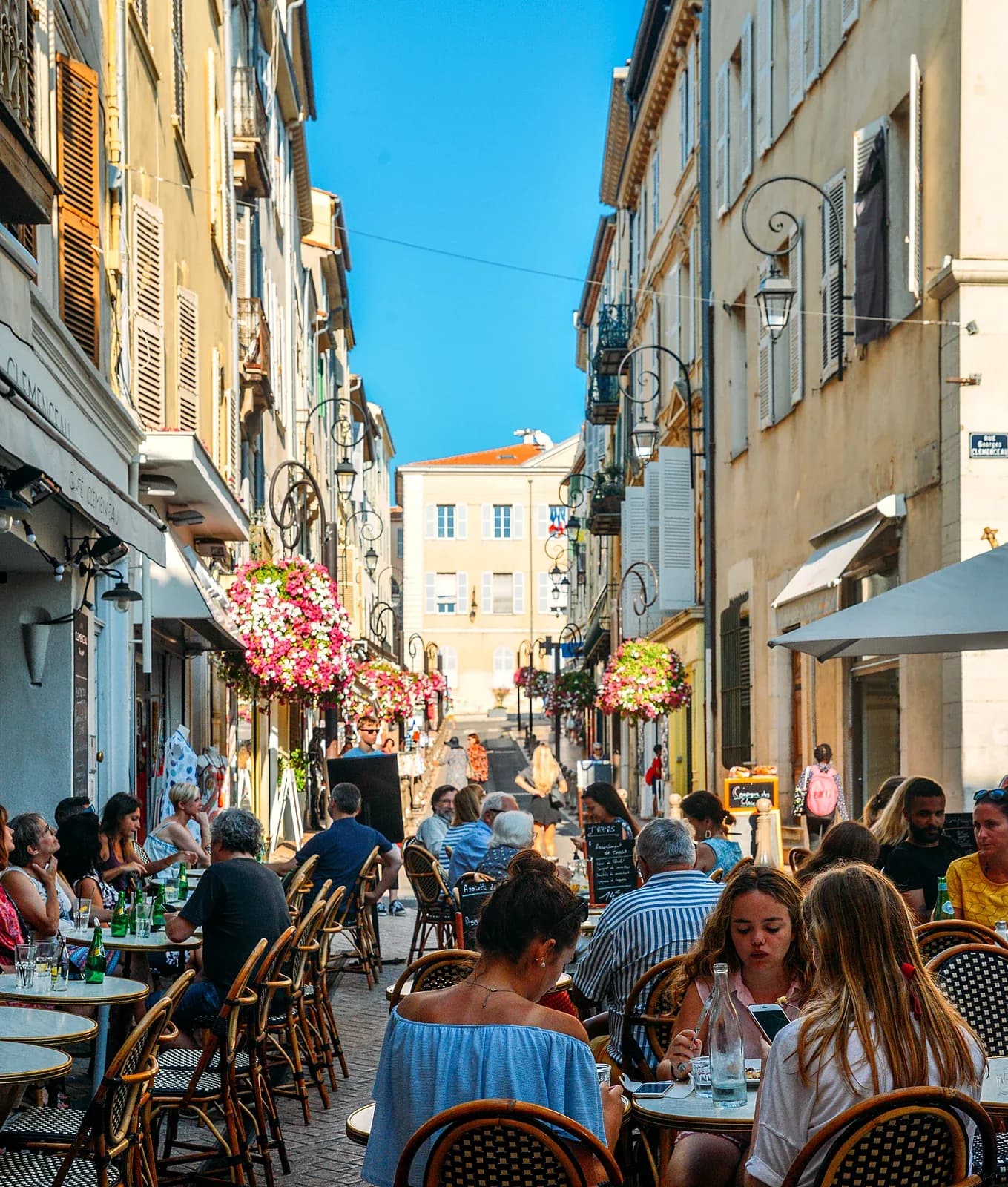
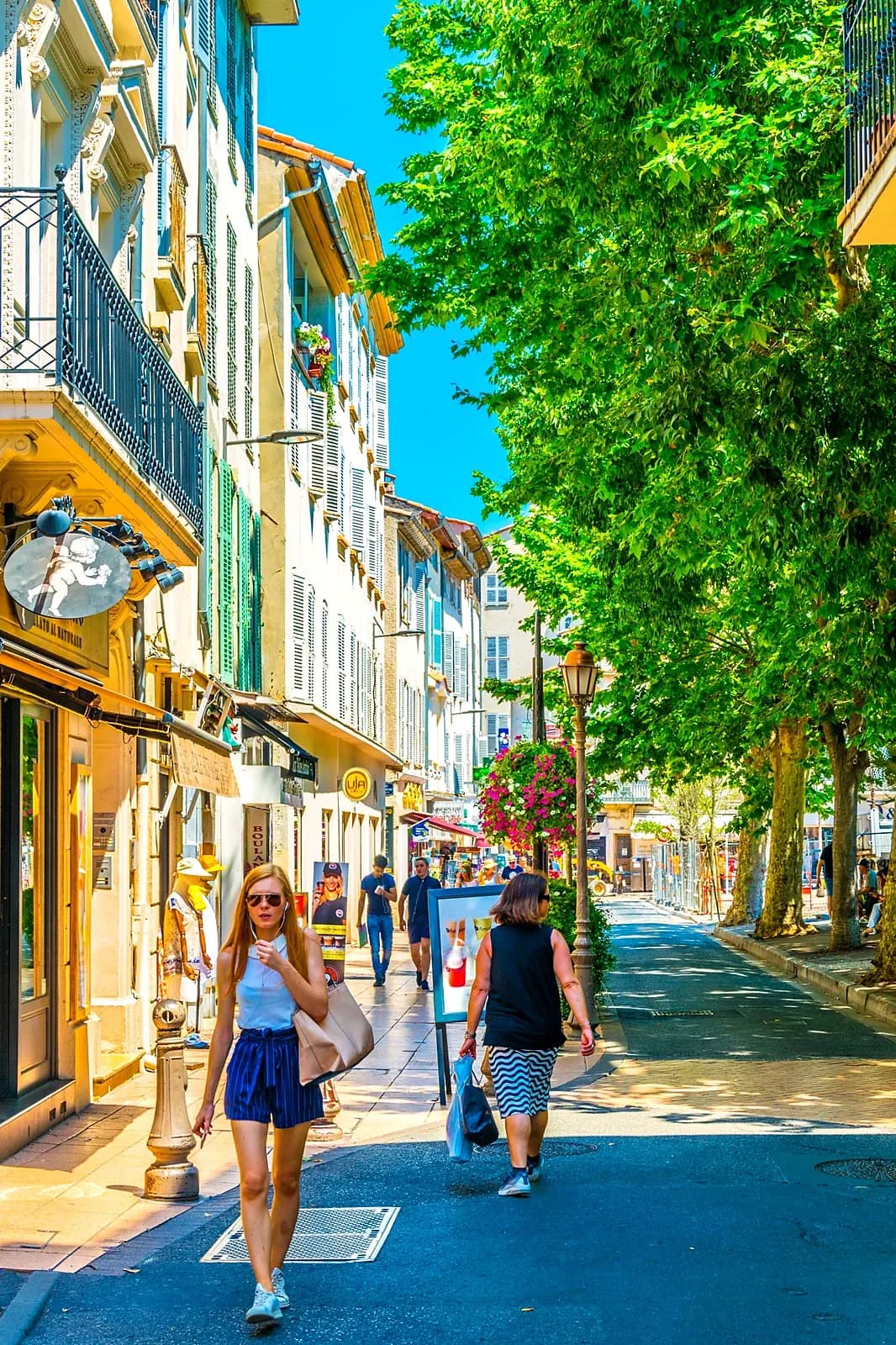
The Marché Provençal is one minute from the front door, open every morning except Monday, winter included. In January it contracts to its serious core: the fishmonger with the morning’s catch, the cheese stall, the olive man, winter mushrooms — and Henri, whose morning route it is too. Shopping with your host on day two settles things quickly: the right stalls, the right questions, an introduction to the fishmonger that no guidebook can arrange.
Buy less than you want to. You will be back tomorrow.
Read our market guideWeek one
The rhythm arrives
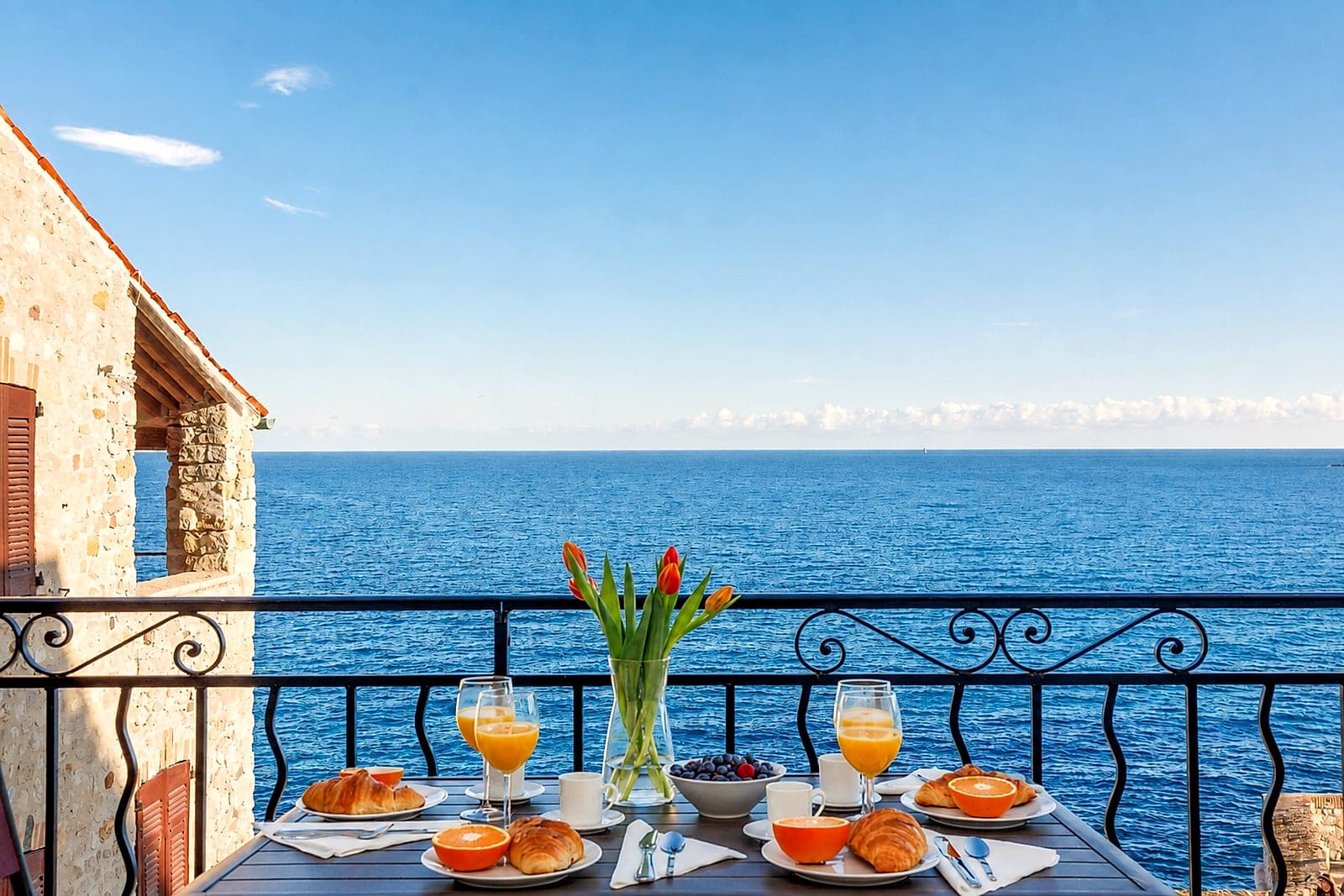
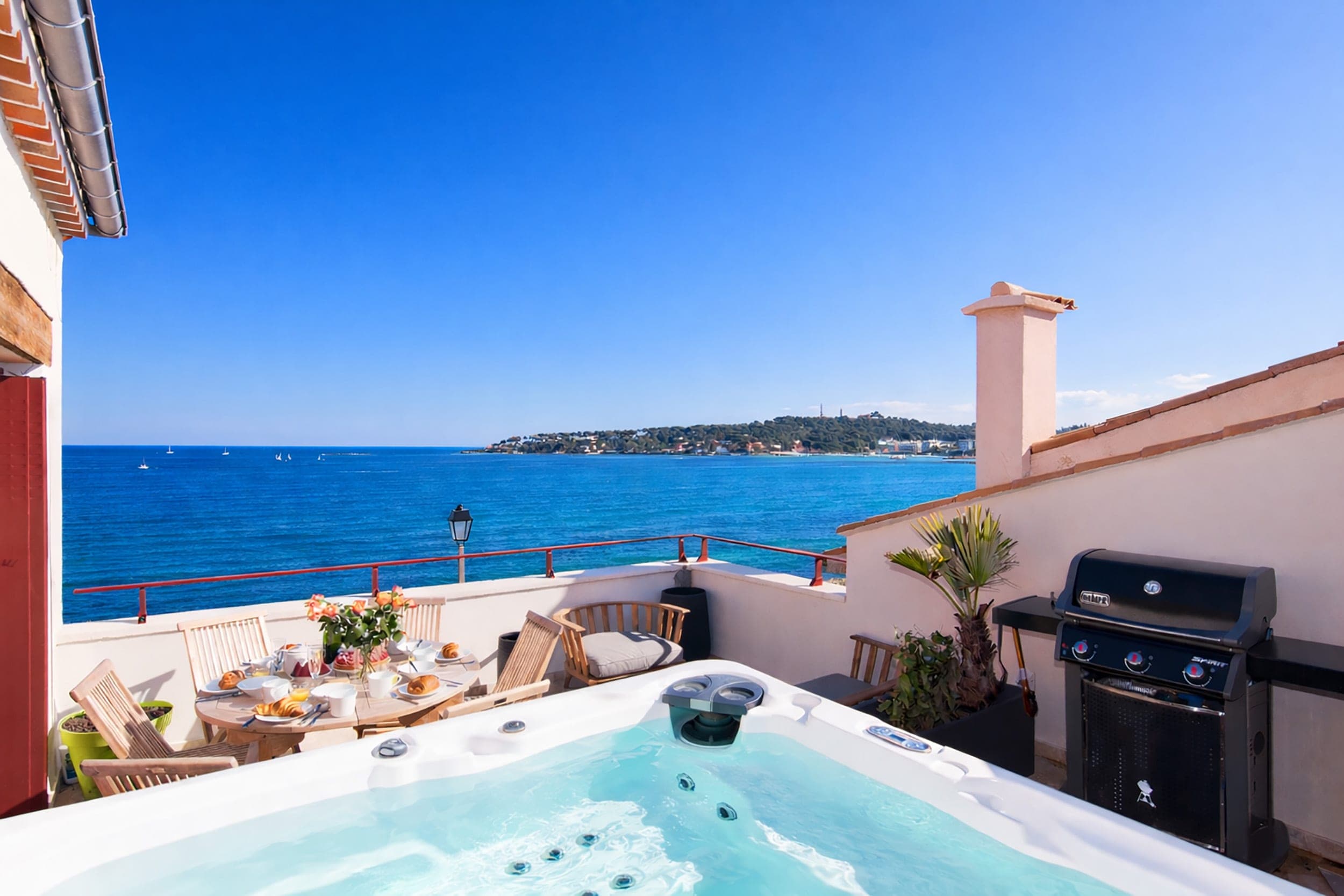
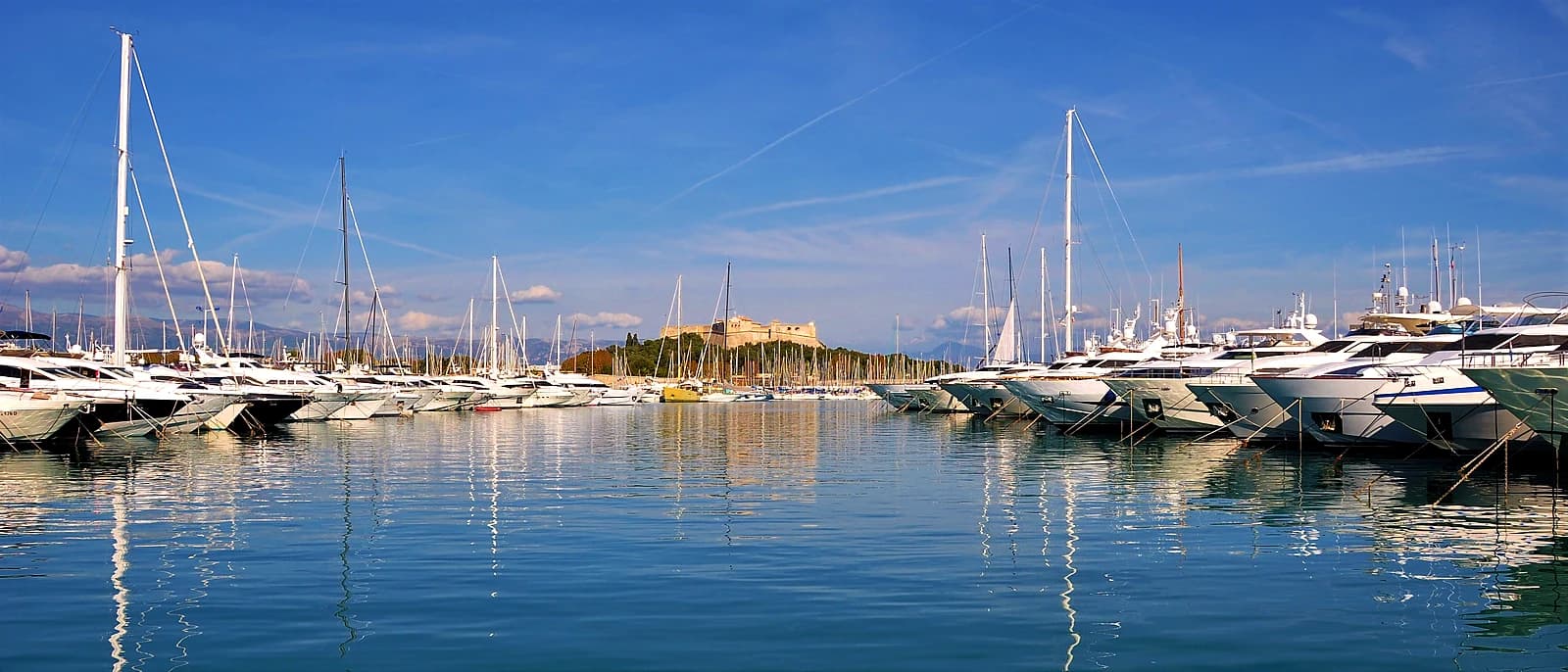
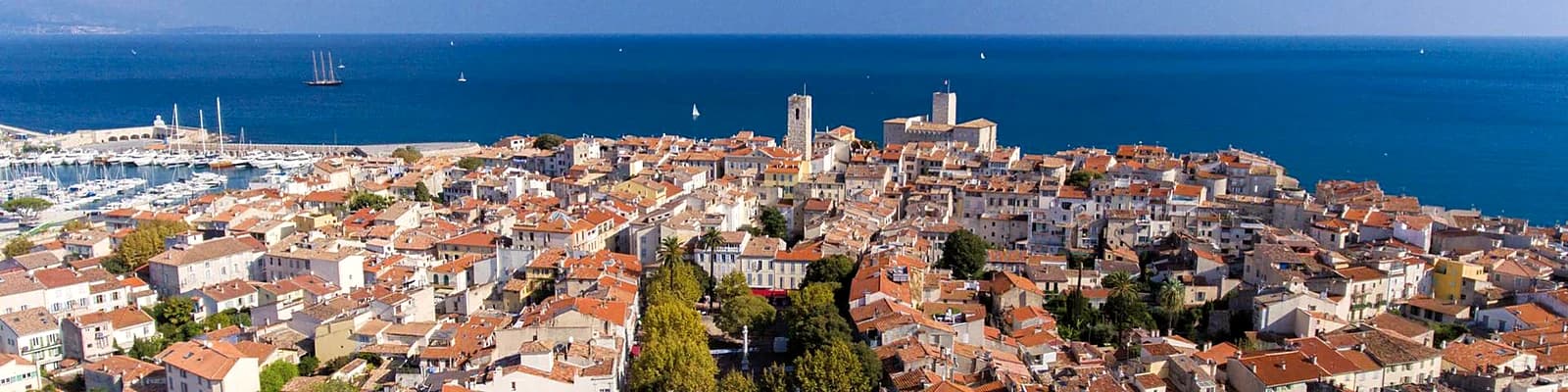
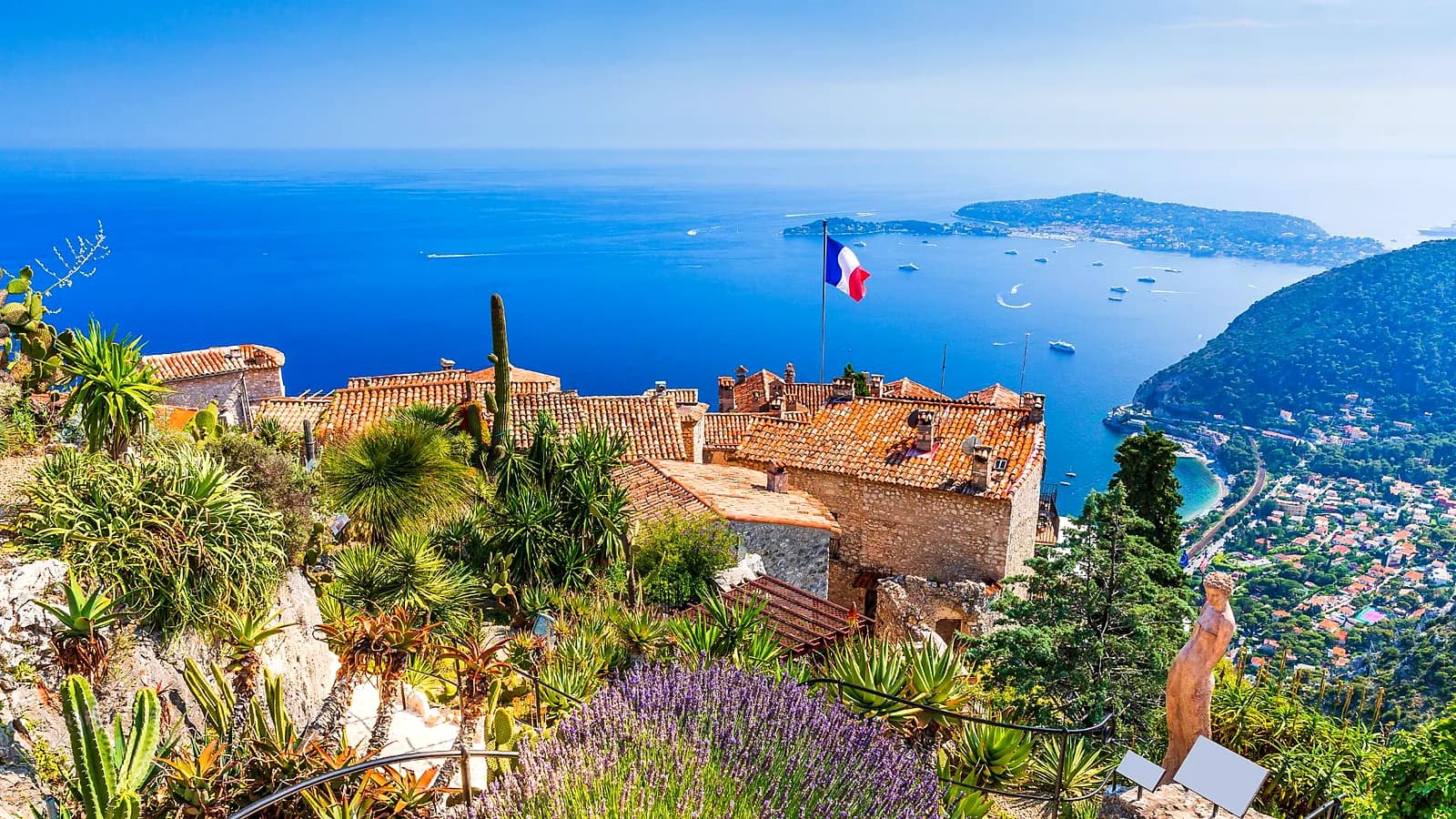
The living room faces east, so winter mornings start bright: coffee at the balcony door, sun climbing off the sea, the Cap d’Antibes drawn sharp on the right. A Riviera winter is not warm, exactly — it is lucid. Clear, still days follow one another, and by eleven the balcony is often good for a second coffee outside.
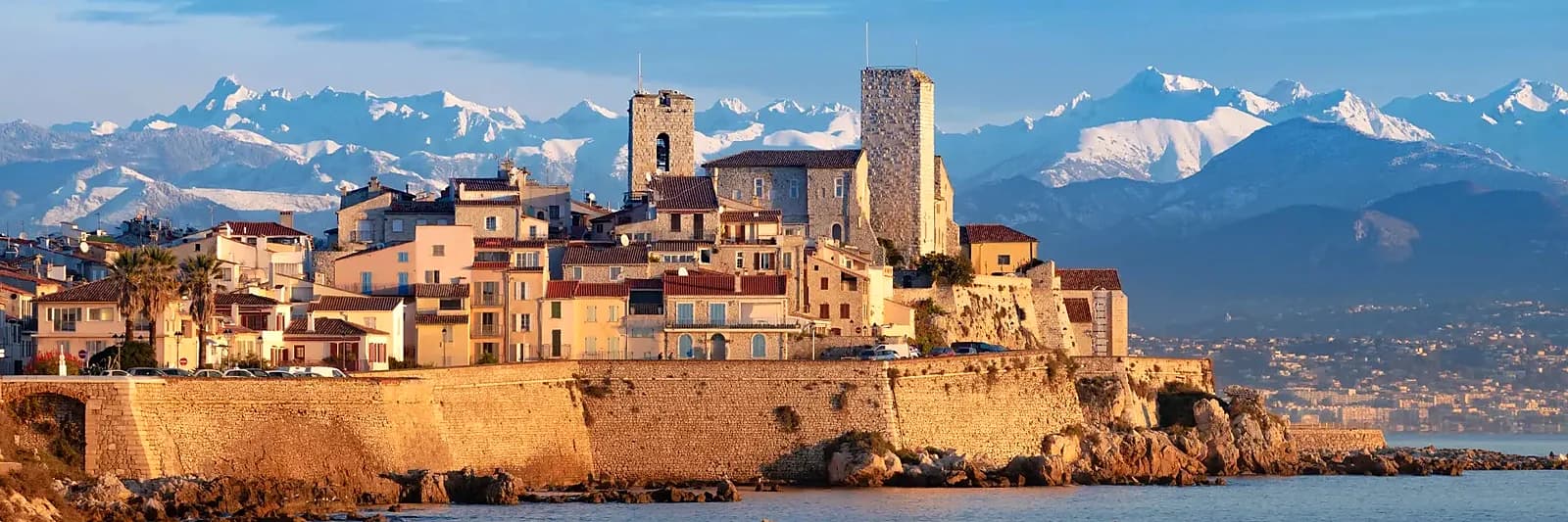
You establish a route without deciding to: market, ramparts, home along the sea wall. It takes eleven minutes. You start nodding at the same three dogs.
One morning
Warm bread from Veziano
Fifty metres from the front door, Jean-Paul Veziano bakes the way the old town remembers: you go down for fresh croissants and come back with a pain de Corrèze still warm against your arm. This is not just any bakery — it is the one that baked for the princely wedding of Monaco — but on a January morning it is simply yours, and the queue is two people long.
Breakfast on the balcony follows. The gulls take an interest.
Tuesdays and Fridays
Pilates under the market
Twice a week, before the shopping, there is Pilates — and here the old town shows how small it really is: Riviera Pilates, the studio beneath the canopy of the Provençal Market, is Maggy’s. Yes, that Maggy — your host. Guests staying in the houses come with a privilege and leave with a habit; in January the classes are small, the welcome is by first name, and the walk home — the studio sits under the market, the market sits a minute from the house — barely counts as one.
A winter stay needs a skeleton. Two mornings a week turns out to be exactly enough of one.
Our wellness partnershipOne rough Tuesday
Front-row seats for a storm
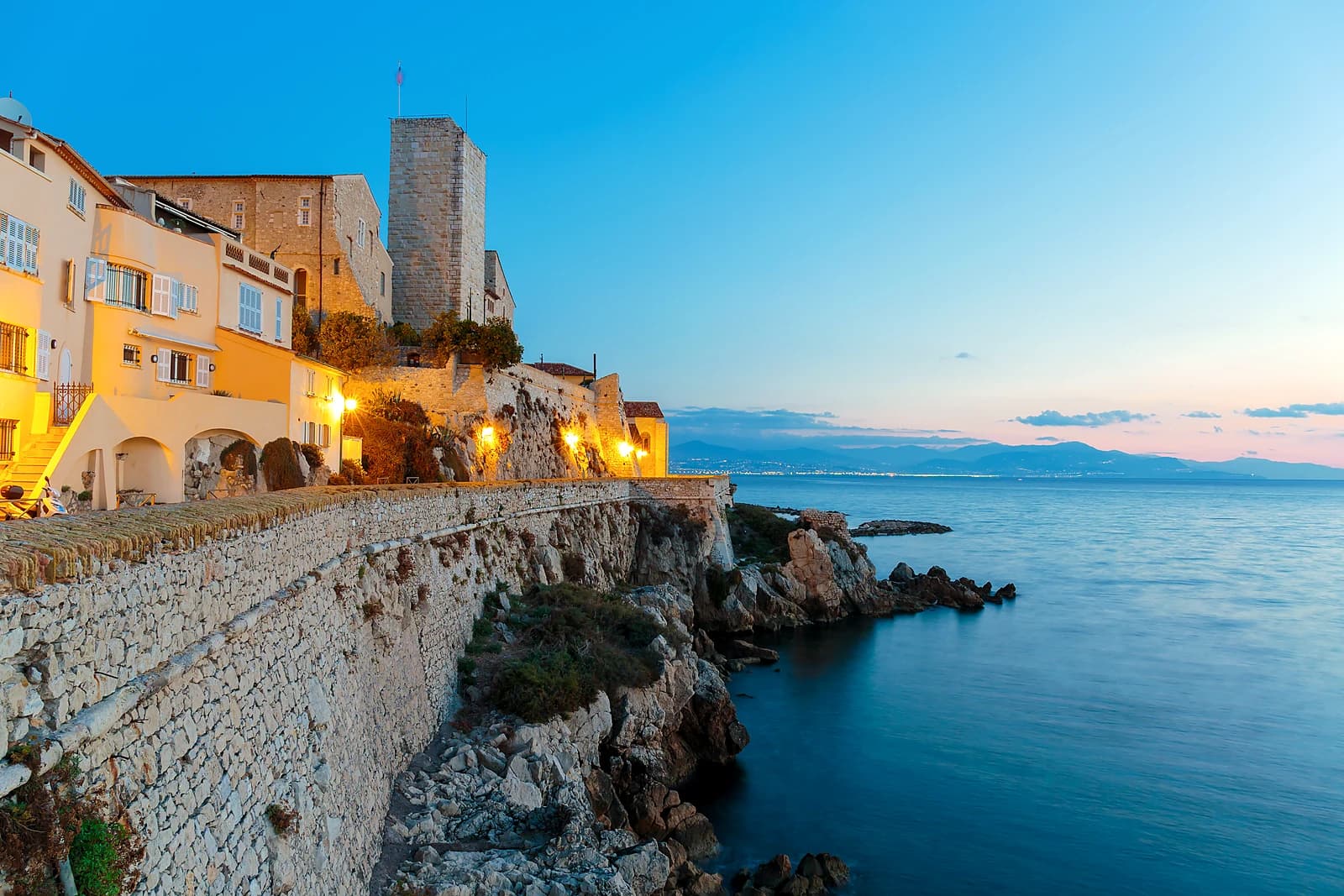
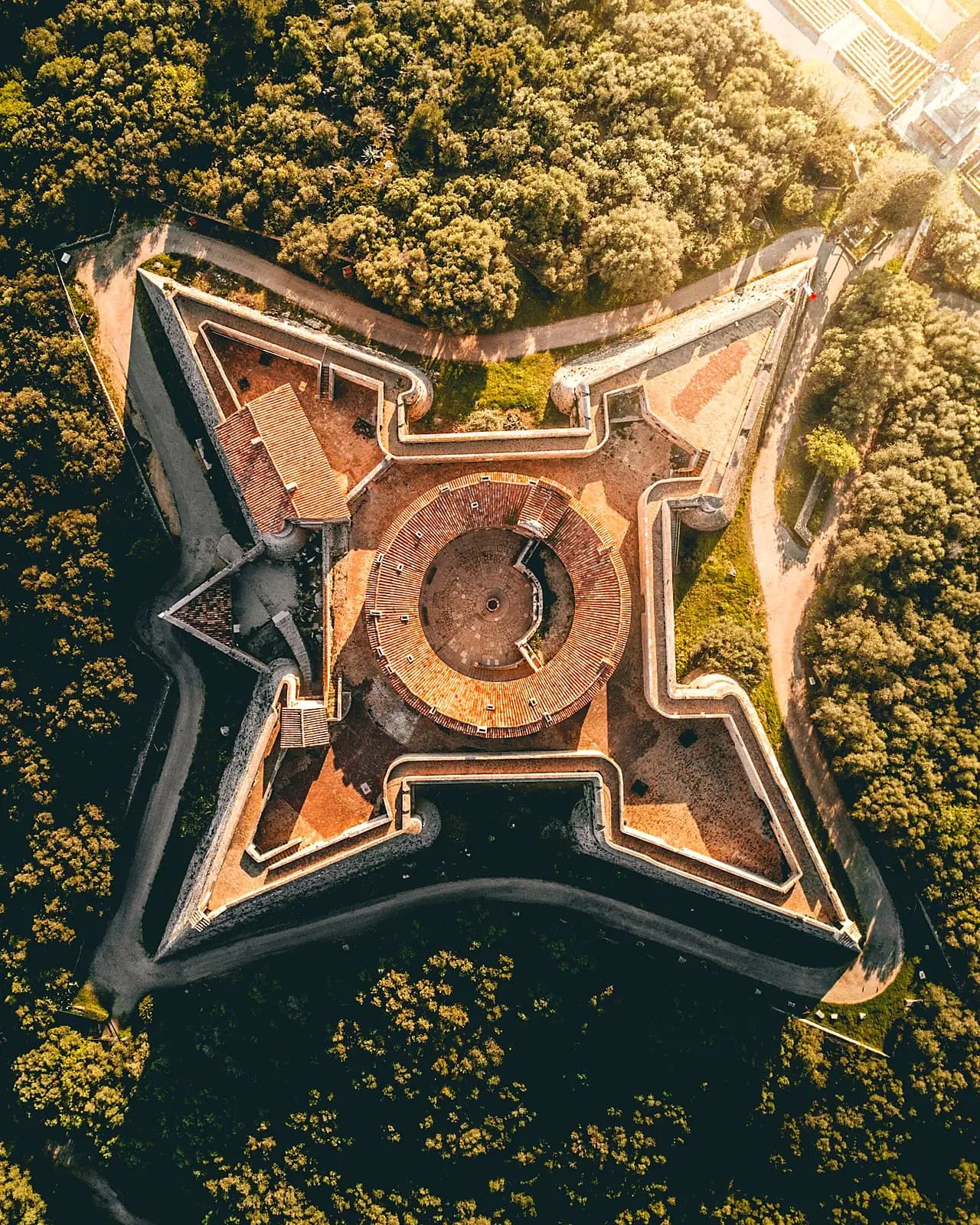
Two or three times a winter the sea turns theatrical, and the balcony becomes the best seat in Antibes: swell bursting white on the ramparts, the horizon smoking, Fort Carré standing in spray. Our guests’ notes mention the storms more often than the sunshine.
Storm days are museum days.
Day nine
Picasso, almost alone
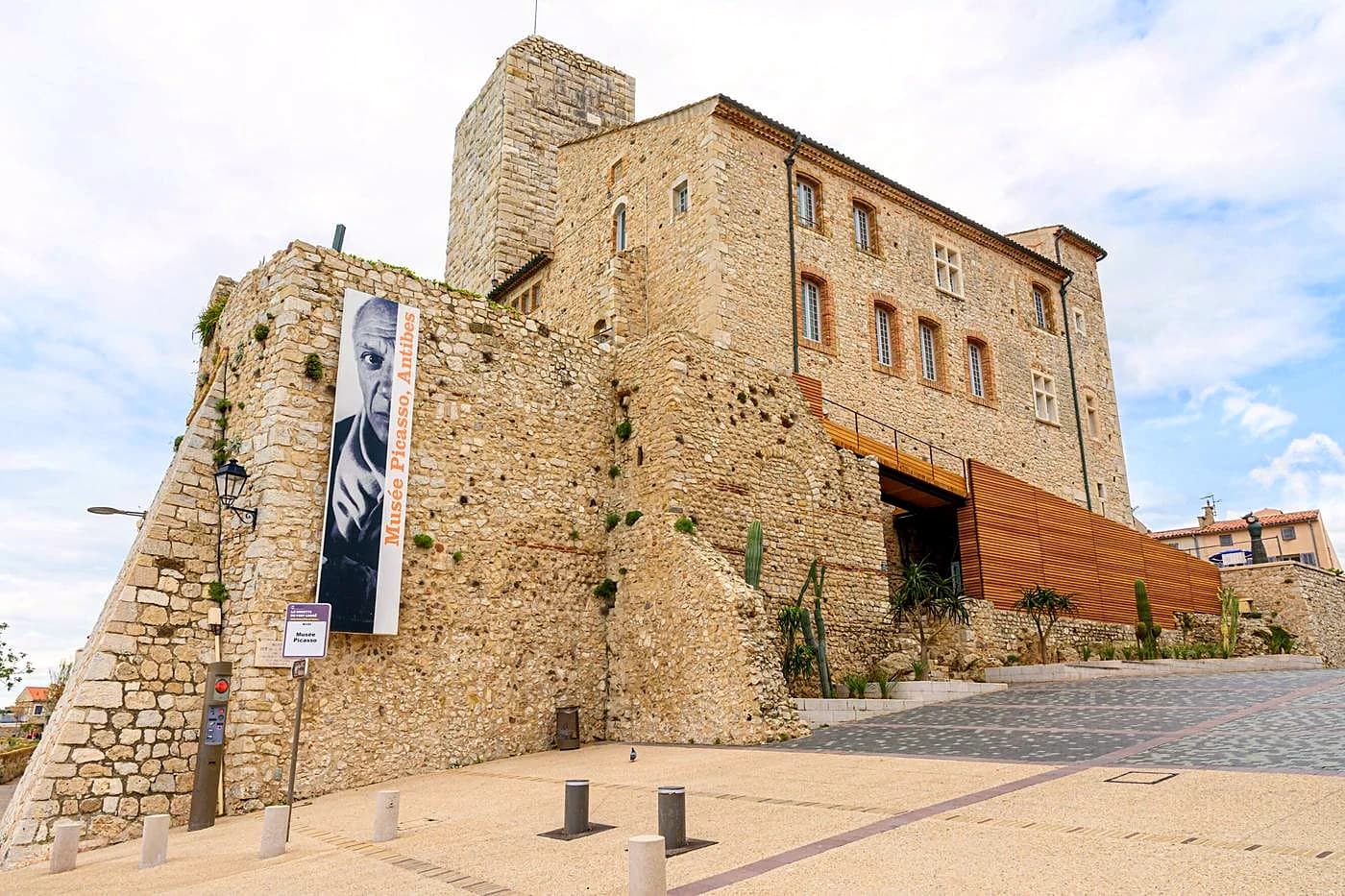
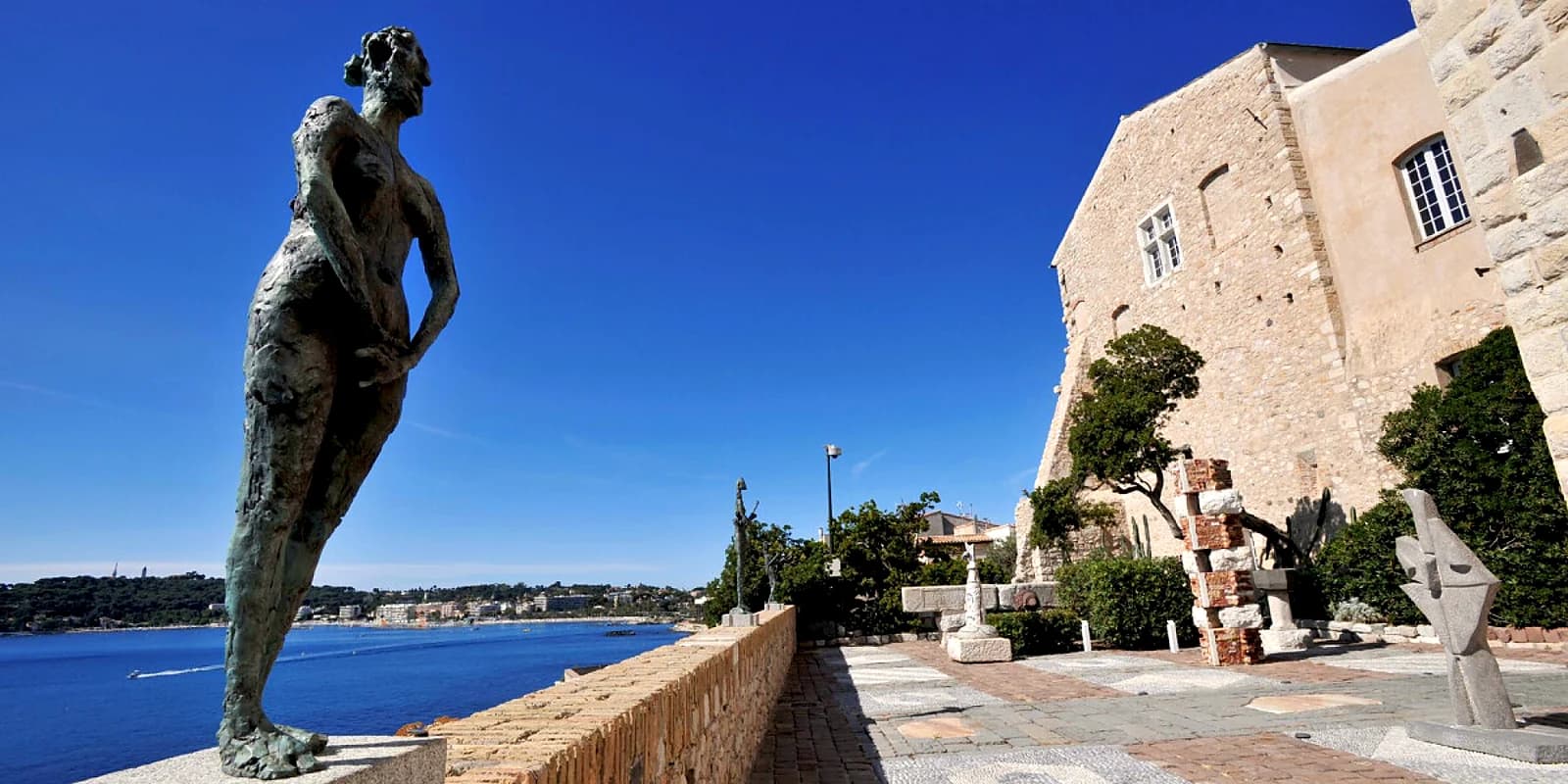
In summer you queue for the Château Grimaldi. In January you walk in, and can stand alone in the rooms where Picasso worked in the autumn of 1946, the sea filling the windows exactly as it fills the paintings. Twenty minutes later you are home.
The Picasso Museum guideWeek two
The coastal path in winter light
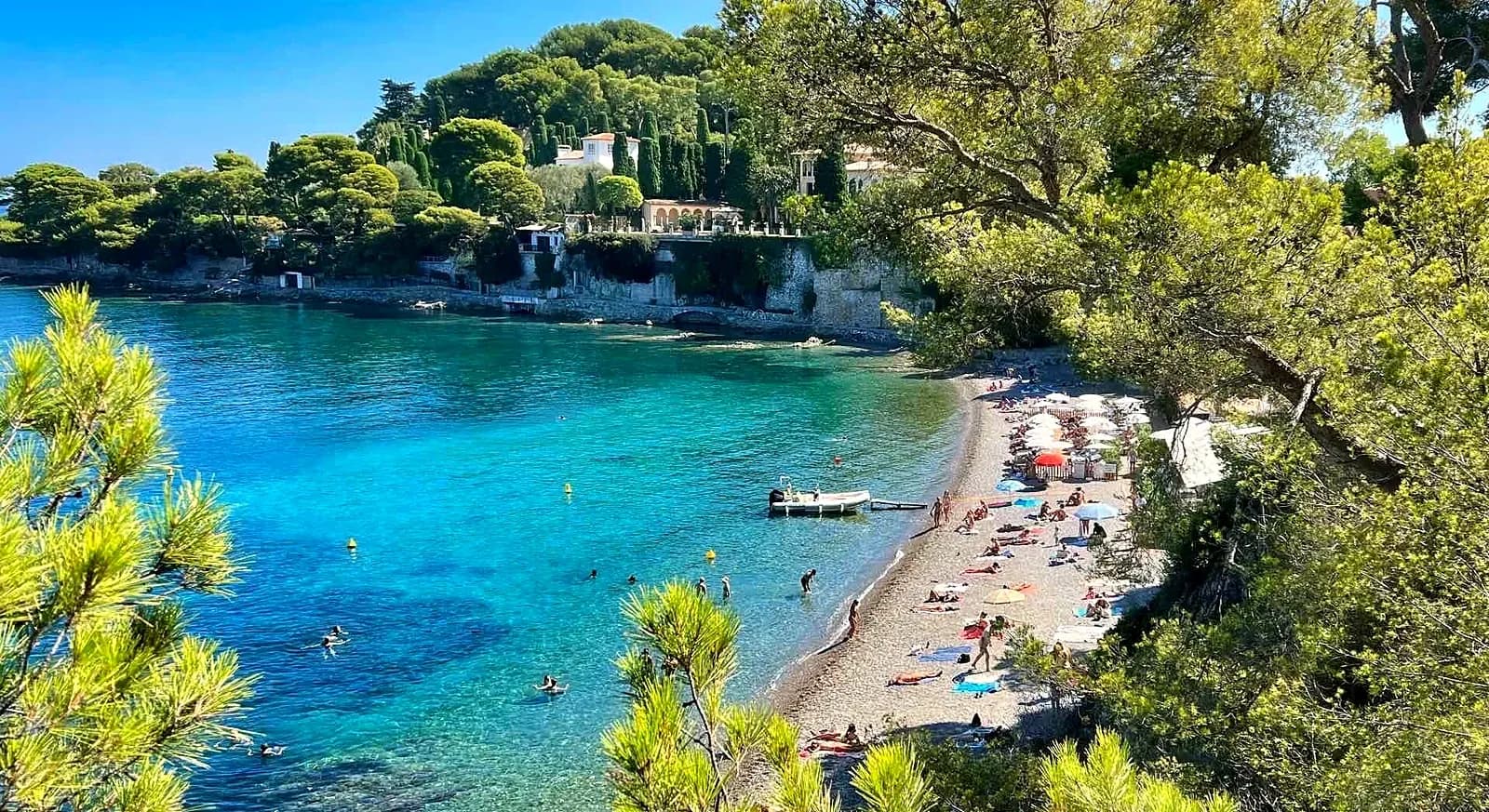
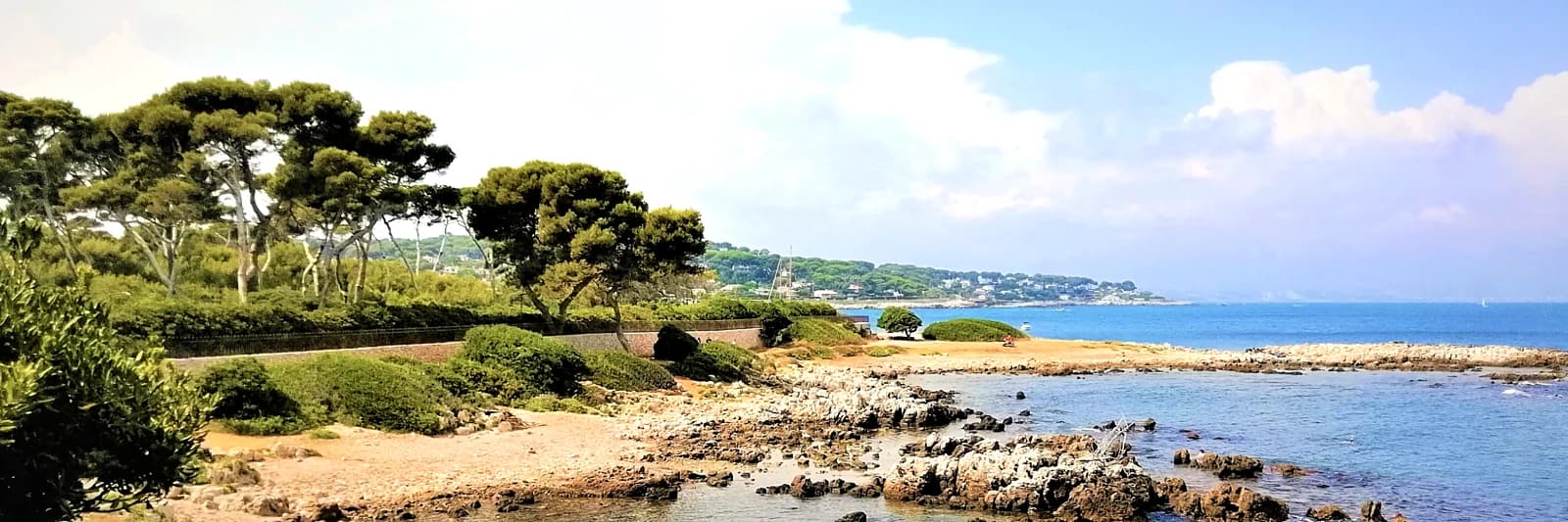
The Sentier des Douaniers around the Cap d’Antibes is at its best in winter: pines, white rock, a sea that means it, and almost nobody on the path. Count two hours, take the bus back, and finish with a long lunch in the old town.
Walking the Sentier des DouaniersDay thirteen
Trains to elsewhere
Antibes station is a flat ten-minute walk, and in winter the coastal line feels like a private railway: Nice in around twenty minutes, Cannes in little more than ten. If your stay brushes February, the hills behind Cannes turn yellow with mimosa and Nice gives itself over to carnival.
Our day trips from AntibesDay fourteen
Lunch at Alain Llorca
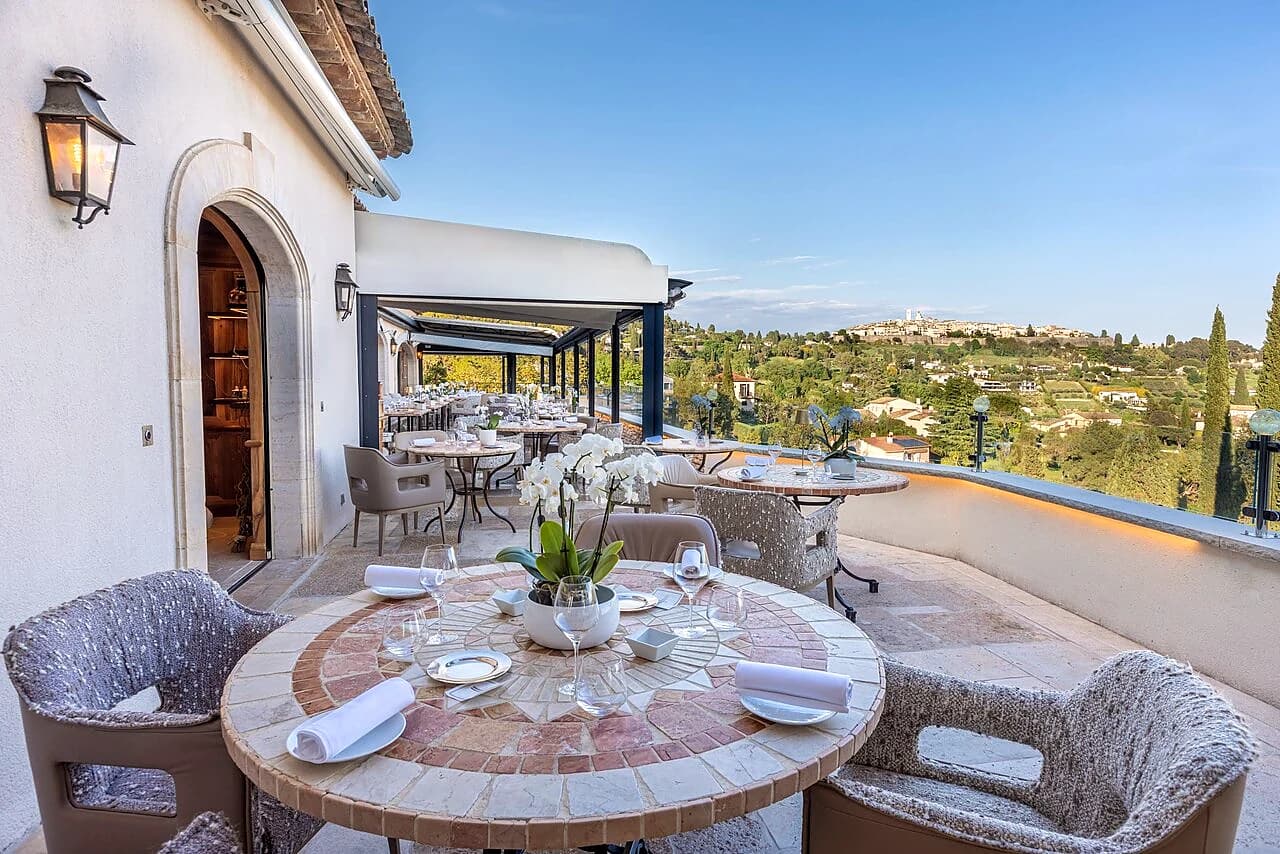
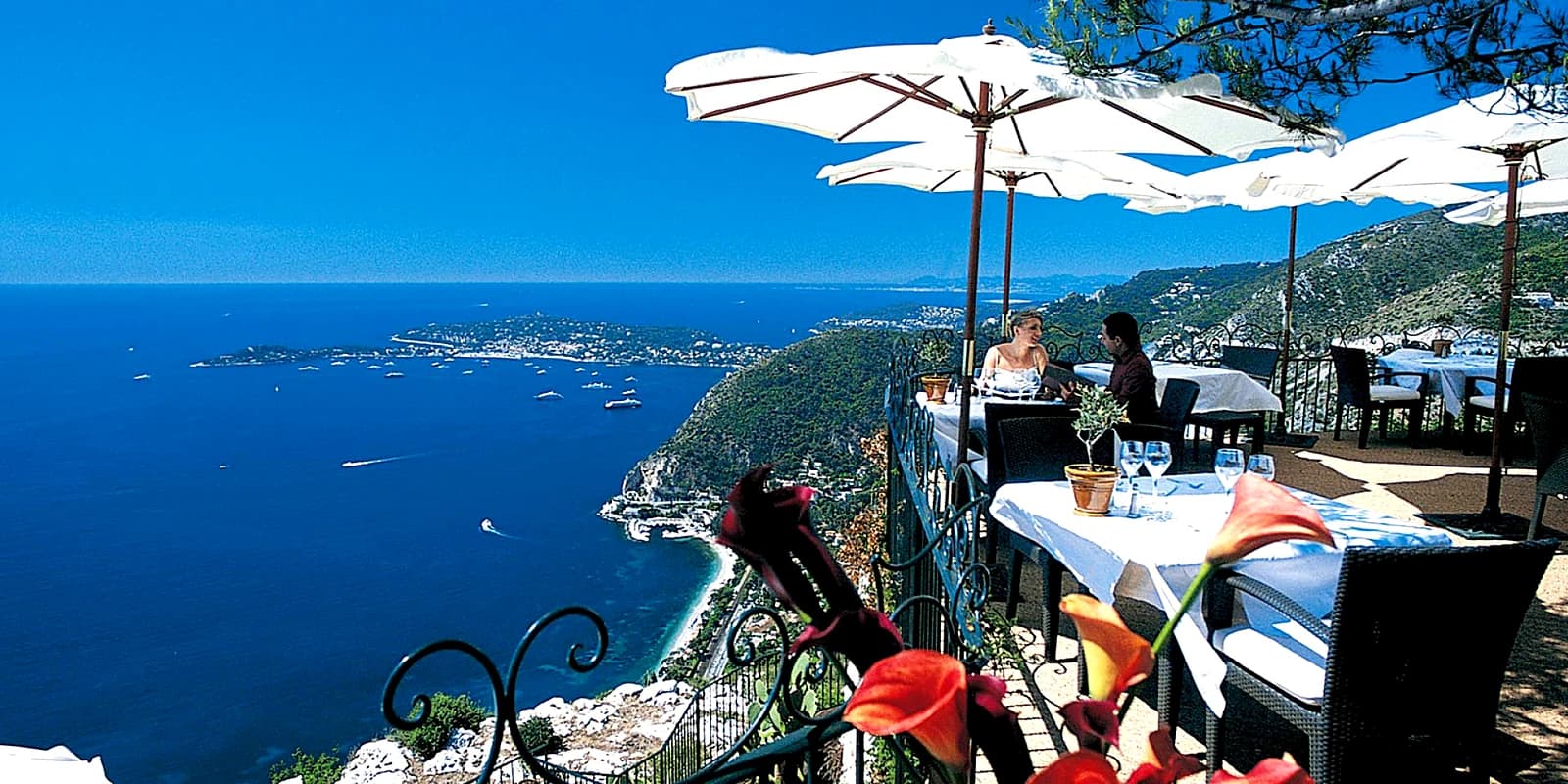
The one grand table of the stay is a lunch, not a dinner: Alain Llorca’s Michelin-starred dining room, half an hour inland, facing the hilltop village of Saint-Paul-de-Vence. Henri had booked the table himself — front row, the village filling the window — and the winter lunch menu makes the star almost reasonable: seventy-five euros for starter, main and dessert, done properly. You are back in Antibes before dusk.
Day fifteen
The islands, in shirtsleeves
From Cannes, the boat to the île Sainte-Marguerite takes a quarter of an hour. Lunch on the island, outside, under a magnificent winter sun — the thermometer insisting on 23°C in the middle of January — then the pine woods, the fort that held the Man in the Iron Mask, and almost nobody on the paths. The last boat back, and the light already turning gold over the bay.
Day sixteen
Snow before dinner
Skiing, from a sea-front balcony, sounded like one of Henri’s exaggerations — he had suggested it with the keys, and been met with polite disbelief. The proof: out of Antibes at nine, boots on snow at a quarter to eleven in Valberg, whose south-facing slopes make a speciality of full-sun ski days, a whole day of pistes under the same improbable blue — and back on the balcony at half past six, glass of rosé in hand, the sea exactly where it was left. Incredible is the guests’ word, not ours; it turns up in the notes every winter.
One evening
The canteen on the market square
Not every dinner needs a view or a star. Mamalu, on the Cours Masséna — the same square as the morning market — is the other end of eating well in Antibes: Italian, generous, a welcome that remembers you, one minute from the front door. By the third week the table is simply « yours ».
Eating well in Old AntibesWeek three
By now, the fishmonger waves
This is the week the notes change tone. The market has learned your order. The waiter asks « comme d’habitude ? ». You cook more than you eat out, because the kitchen is good and the produce is better. Living in the old town has quietly replaced visiting it.
Our local address bookDay nineteen
Five o’clock gold
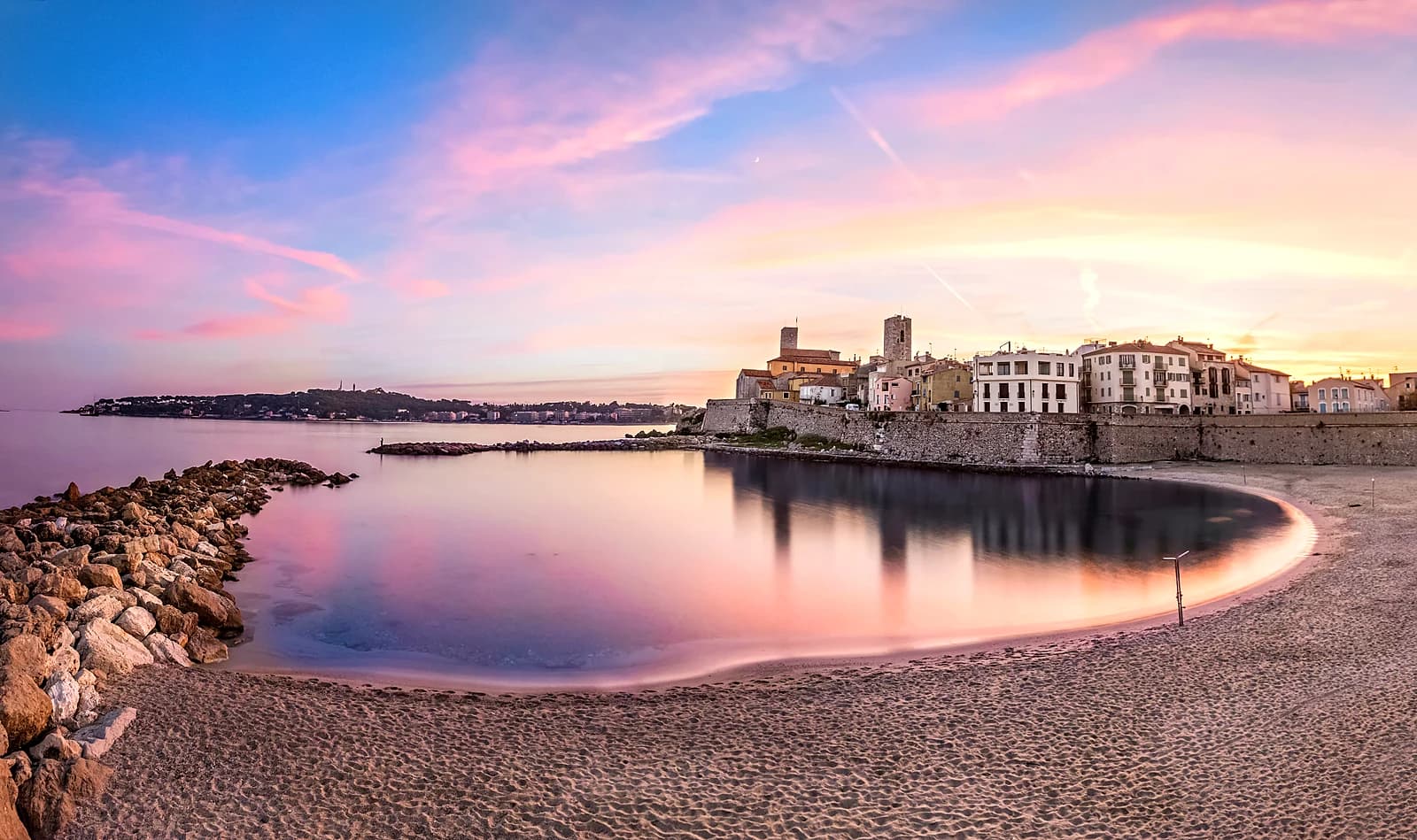
Winter’s compensation for early dusk is the hour before it: the ramparts turn amber, Fort Carré catches the last light across the port, and the walk you have done twenty times looks freshly painted. Then home, shutters in, dinner on the stove — the sea still audible.
Day twenty-one
Leaving in the light
Three weeks is long enough for the town to stop performing and simply carry on around you — which is what our winter guests come for. Some leave a note saying they will be back; more and more settle it before they go: the same house, the same weeks, next January — booked twelve months ahead, directly with the hosts they have crossed at the market all month.
Winter shows you the Antibes the summer crowds never meet.