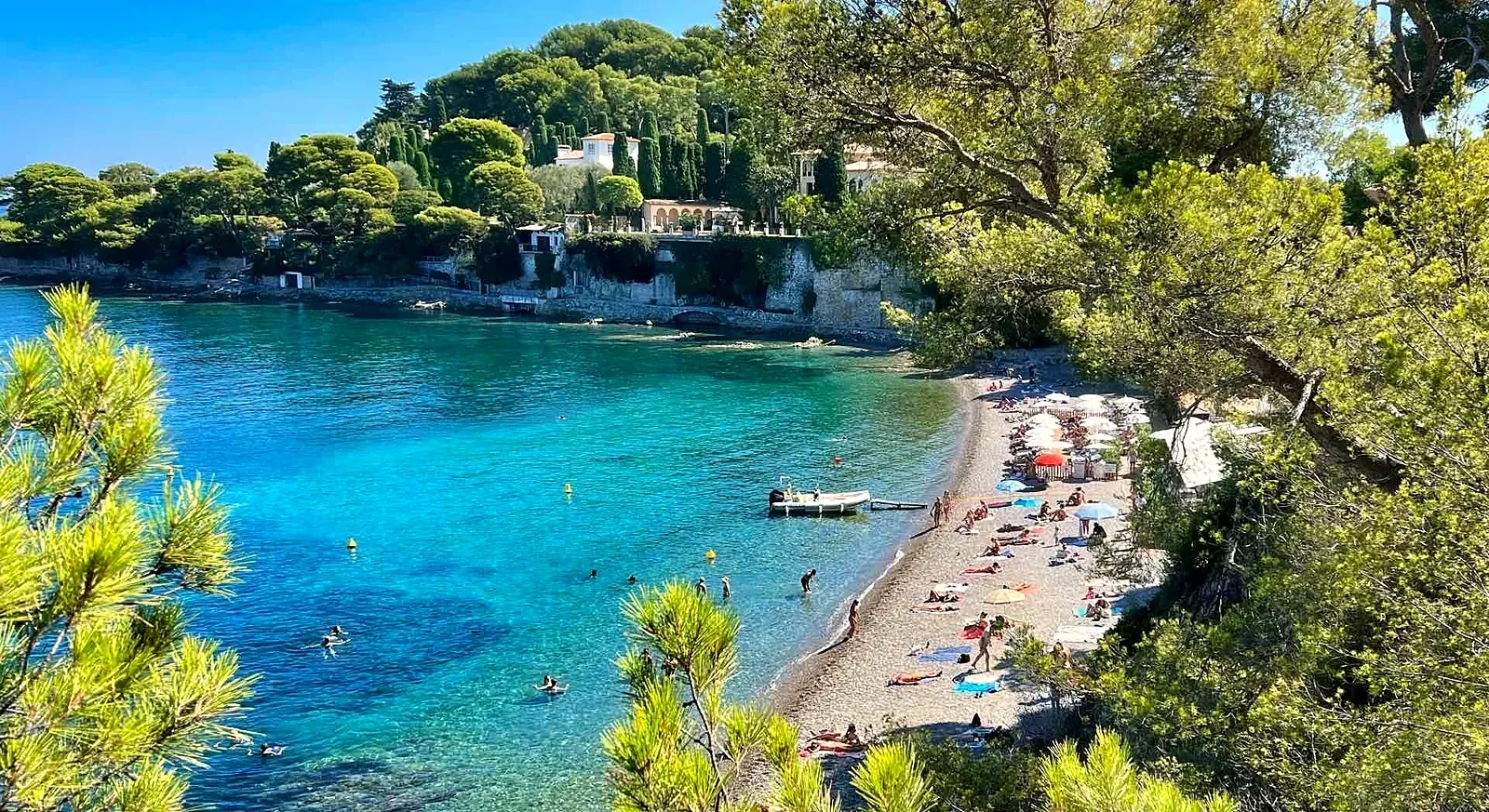
Every coast has a colour, but only one is named after it. Côte d’Azur — the azure coast — is not a slogan invented by a tourist board; it is a plain description that happens to be true. This is a short essay on that blue: where the name comes from, why the water here earns it, what it did to a century of painters, and where to stand in Antibes when you want to see it at its deepest.
A colour that named a coast
In 1887, a Burgundian poet named Stéphen Liégeard published a travel book about the coast between Marseille and Genoa and gave it a title that outlived every page inside: La Côte d’Azur. The name took. The English, who had been wintering in Nice and Cannes for a century already, kept their own — the French Riviera — and the two names have shared the same shoreline ever since: one borrowed from Italy, one borrowed from the sky.
That both names survive says something. « Riviera » describes the geography — a narrow, blessed strip between mountains and sea. « Azur » describes the experience: the first thing you notice, and the last thing you forget.
Why the water is this blue
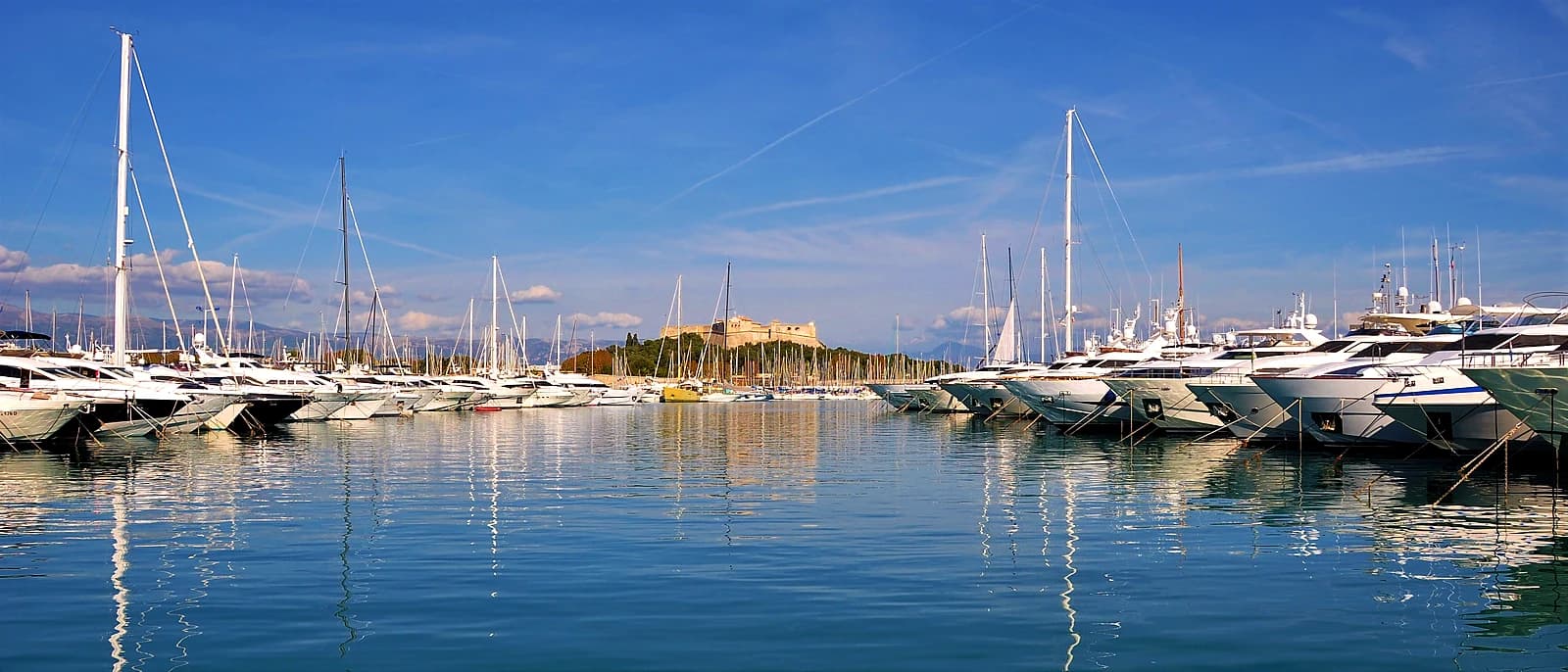
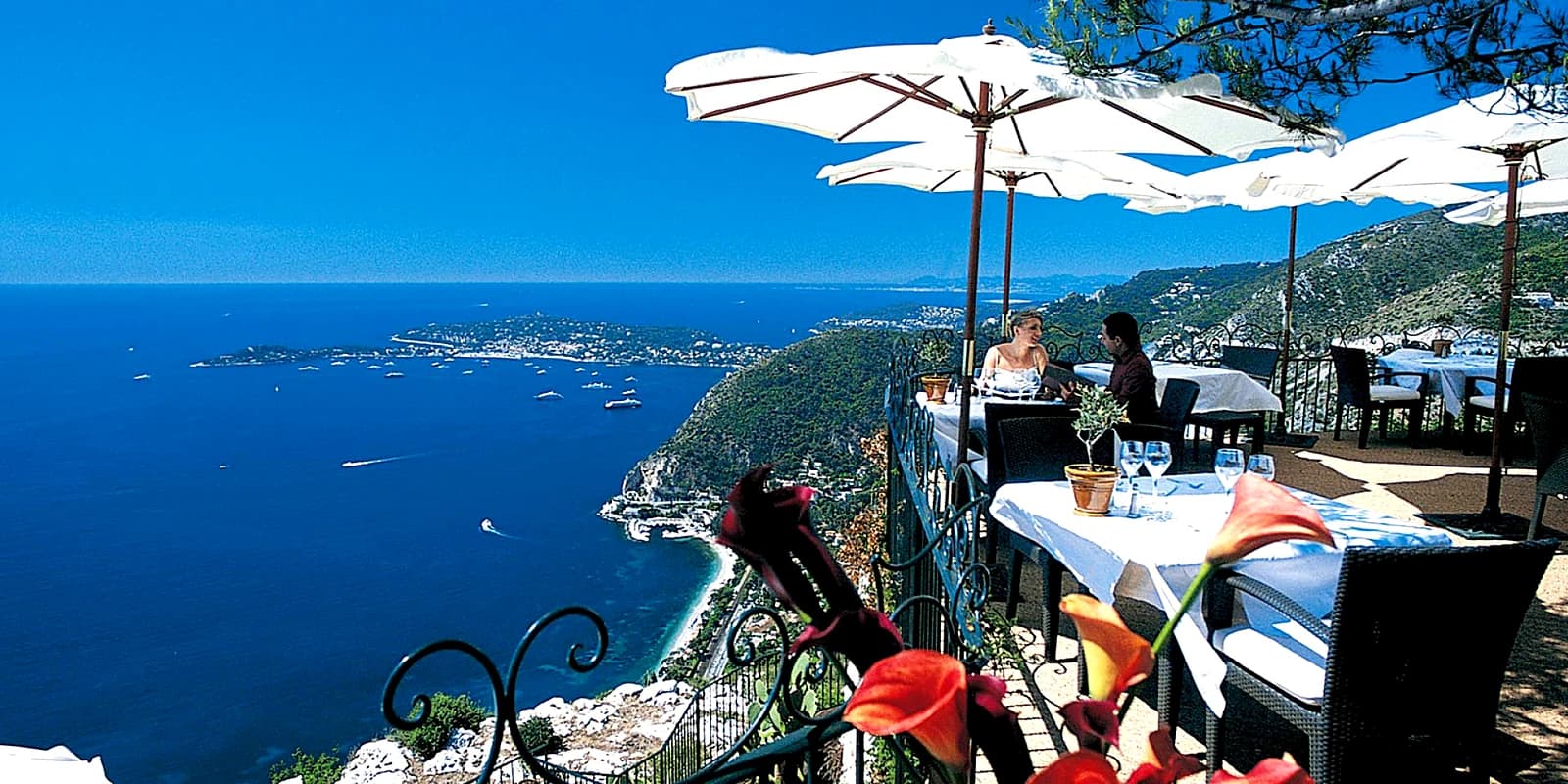
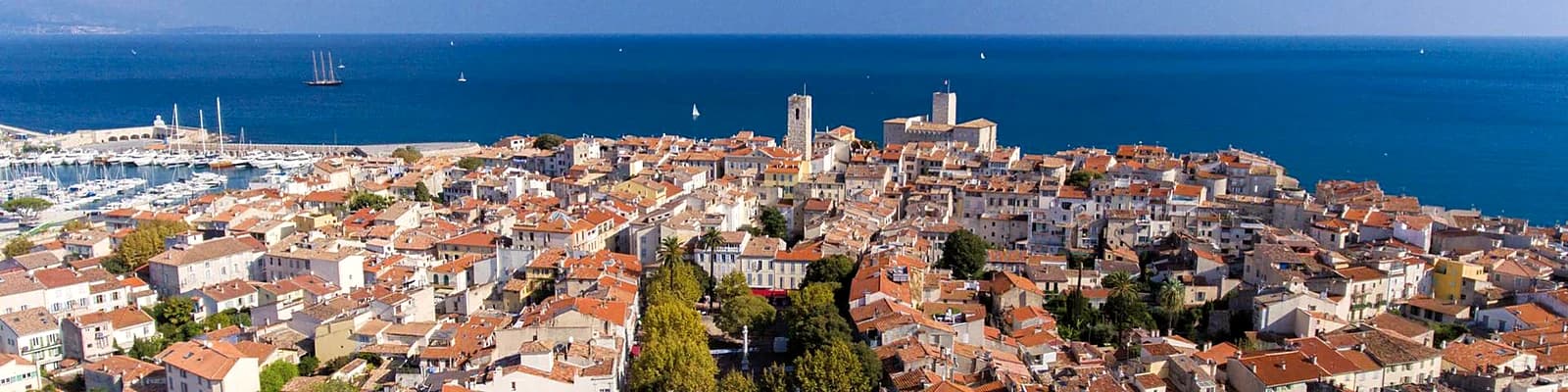
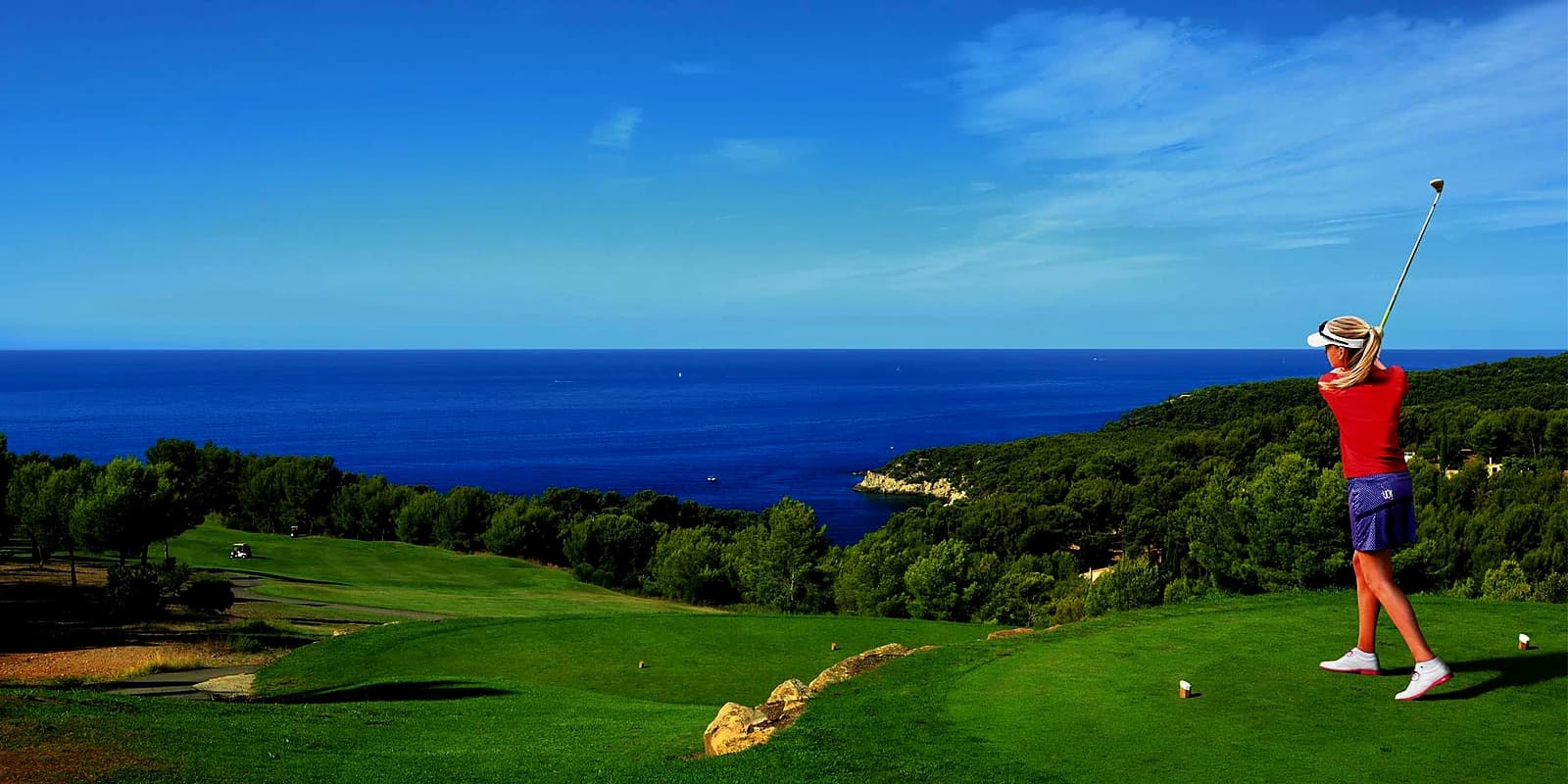
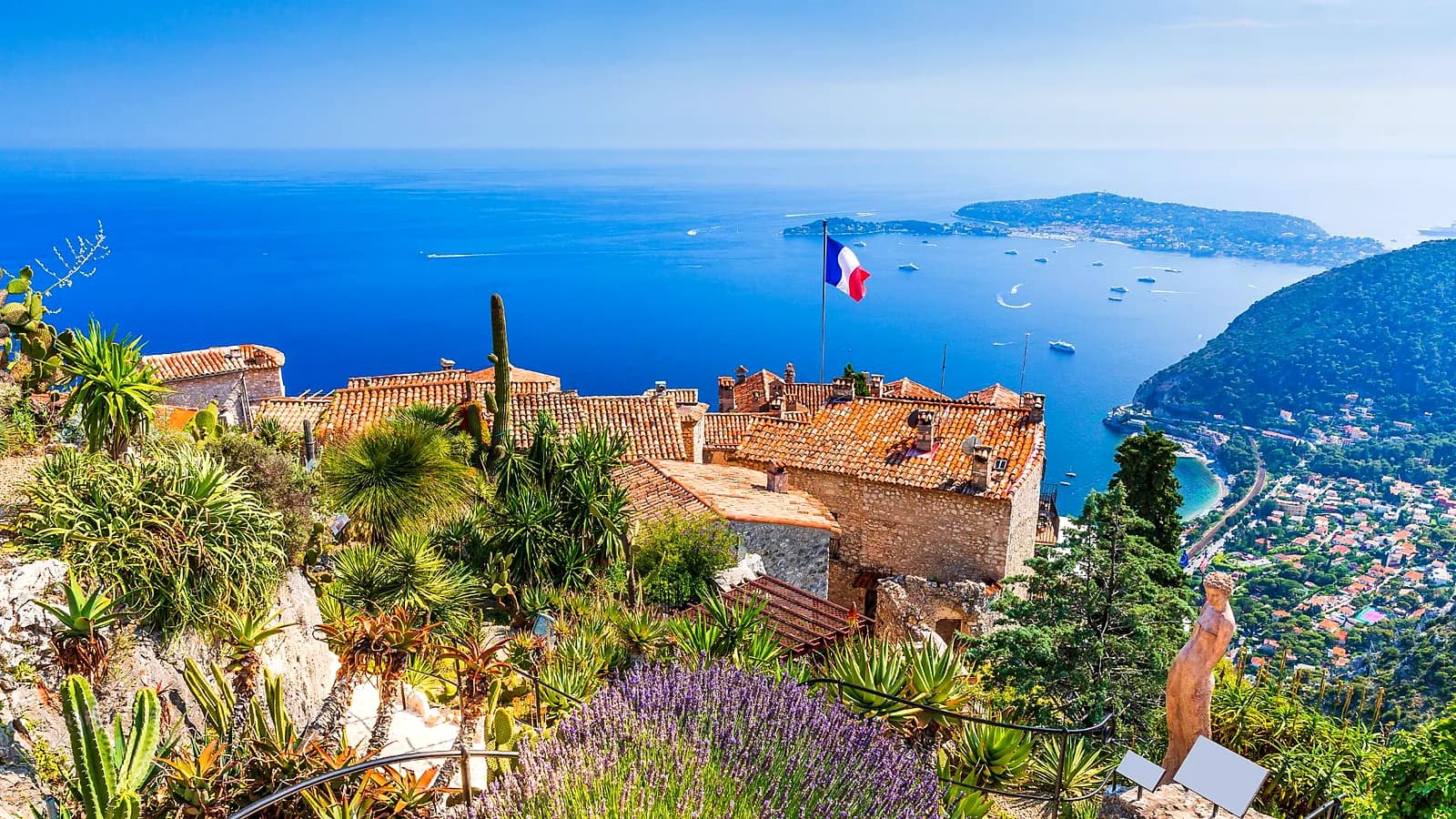
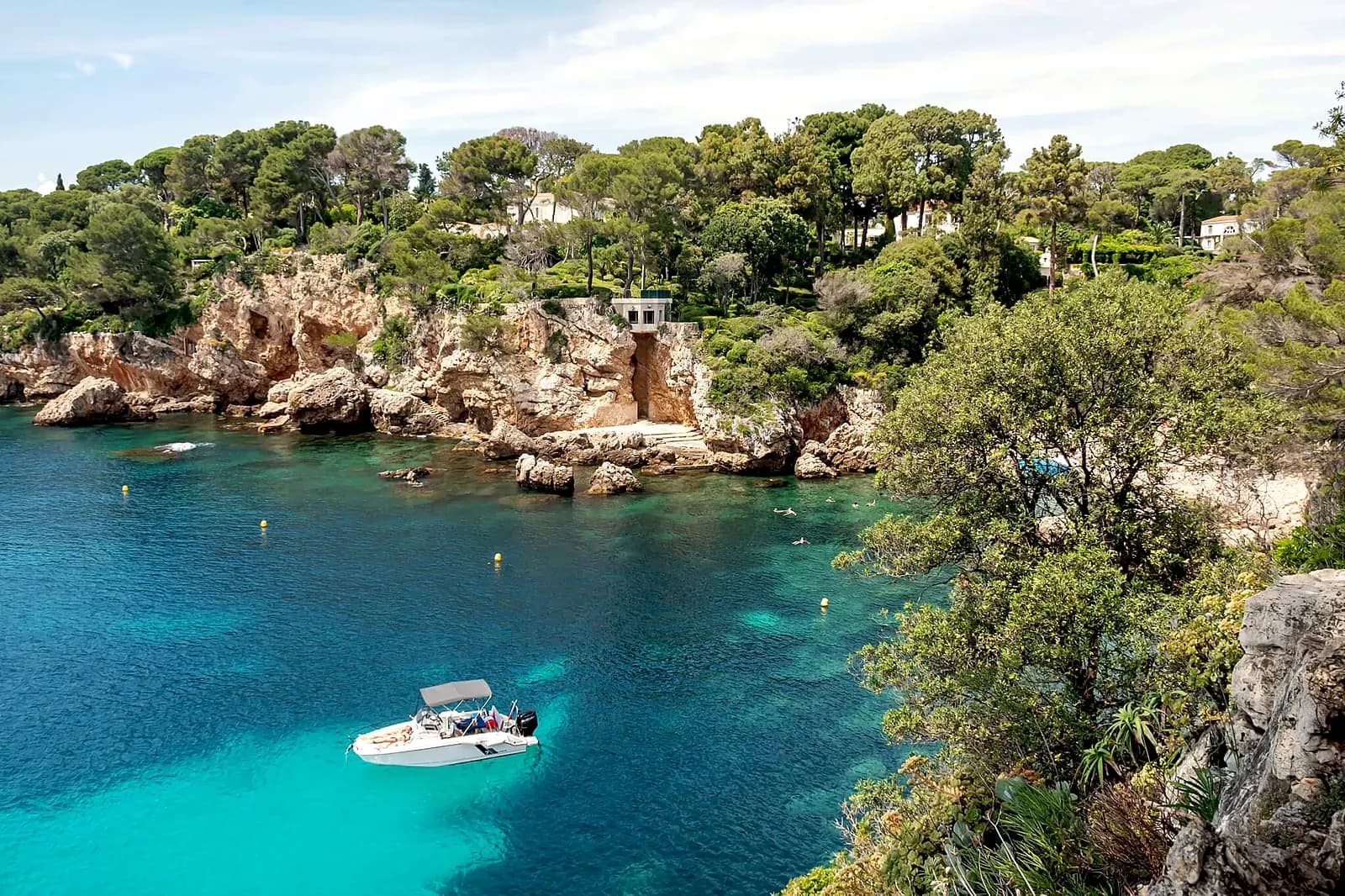
There is honest science under the poetry. The Mediterranean off Antibes is deep very close to shore — the seabed falls away fast beneath the Cap — and it is unusually poor in plankton and sediment. Clear, deep, hungry water absorbs the reds and yellows of sunlight and returns almost nothing but blue. Rivers that would cloud the sea with silt are few and small on this stretch; the water stays legible all year.
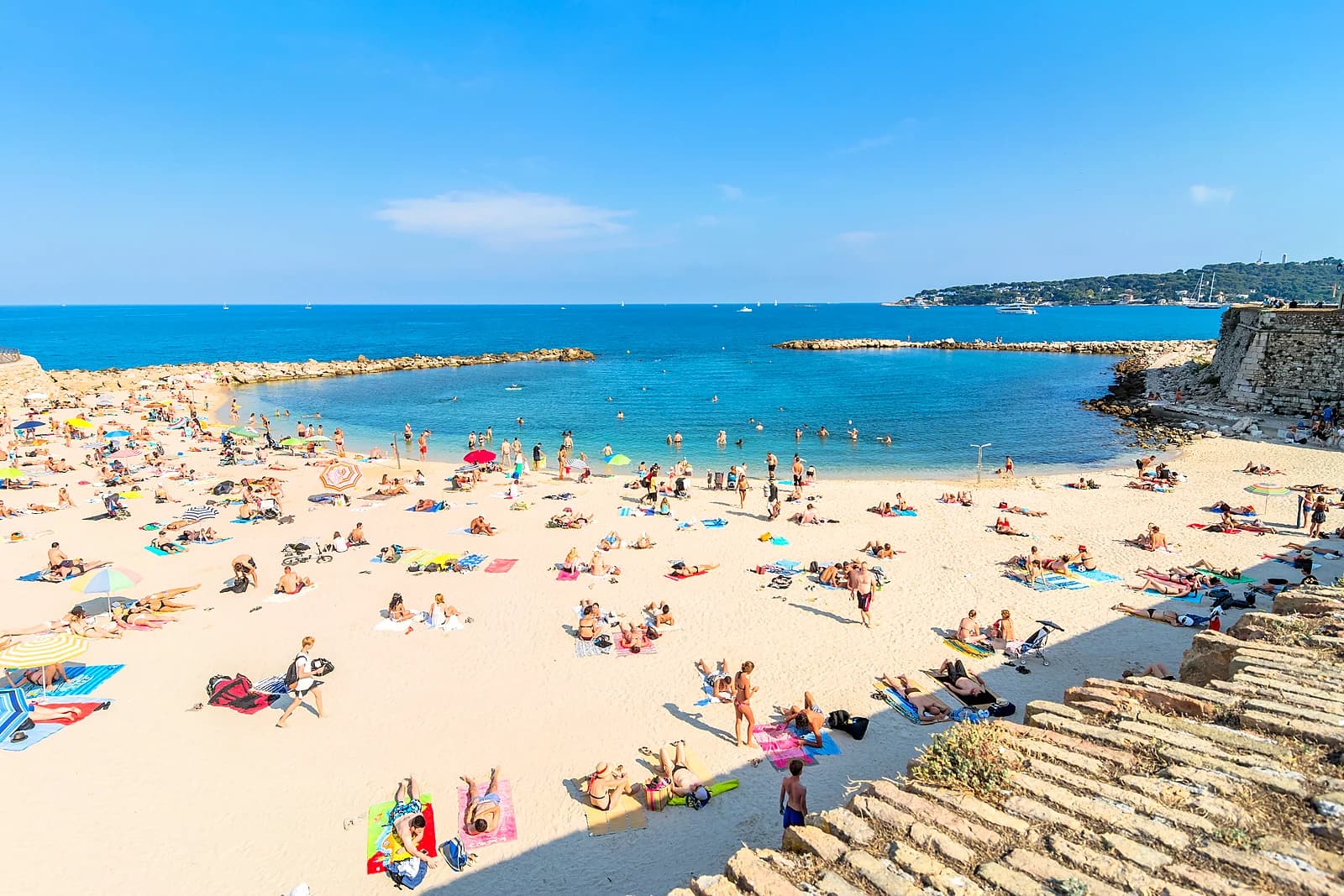
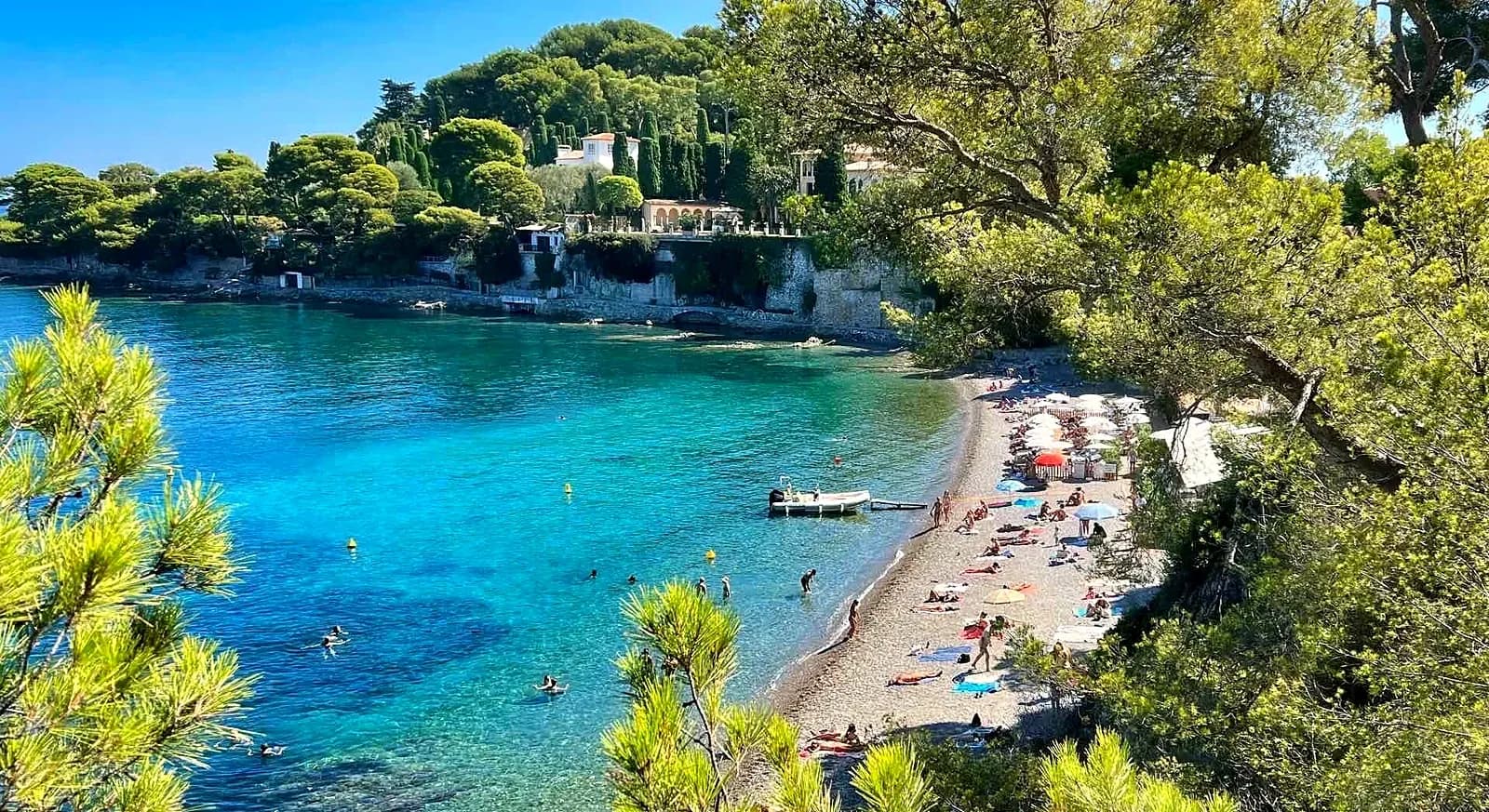
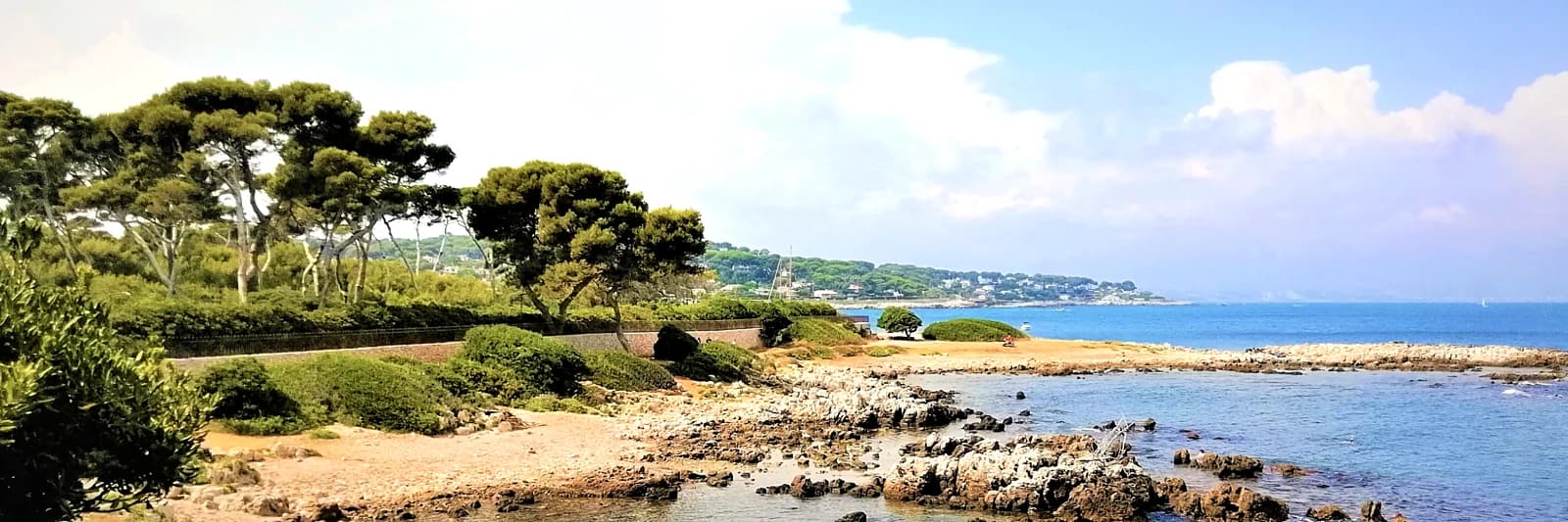
The shallows write the second colour. Over the white rock shelves of the Garoupe and the coves of the Cap, the same light comes back turquoise — which is why one short walk along the coastal path runs the whole register, from pale glass-green over sand to a blue so saturated it looks poured.
The painters knew first
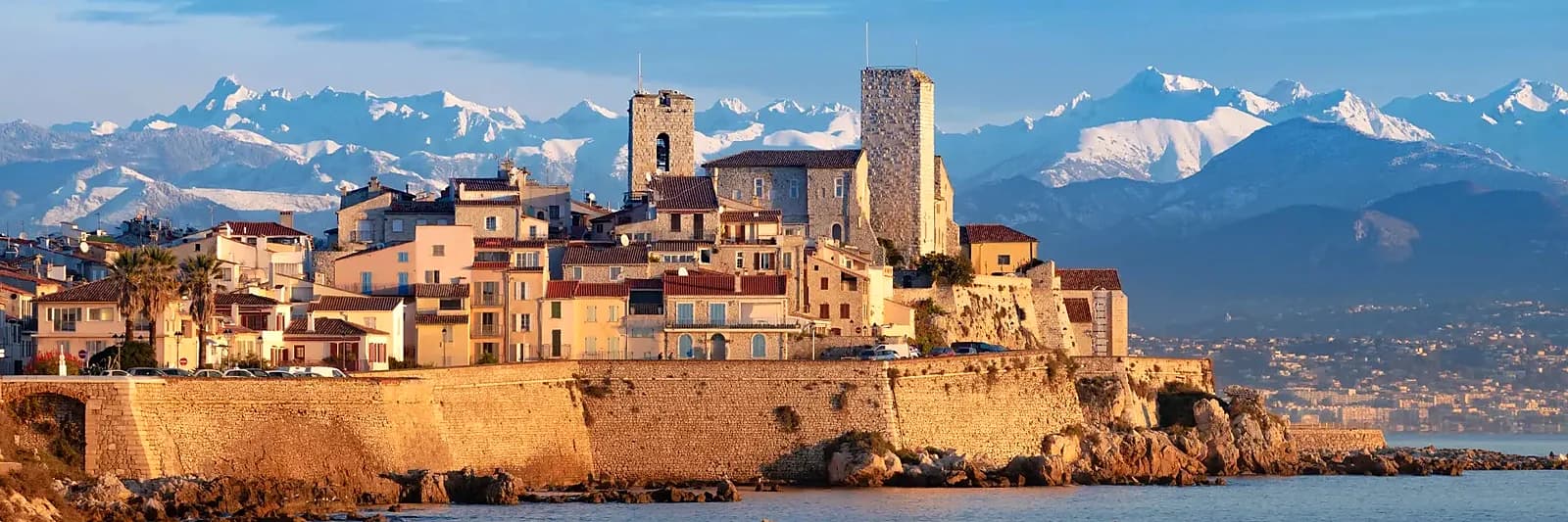
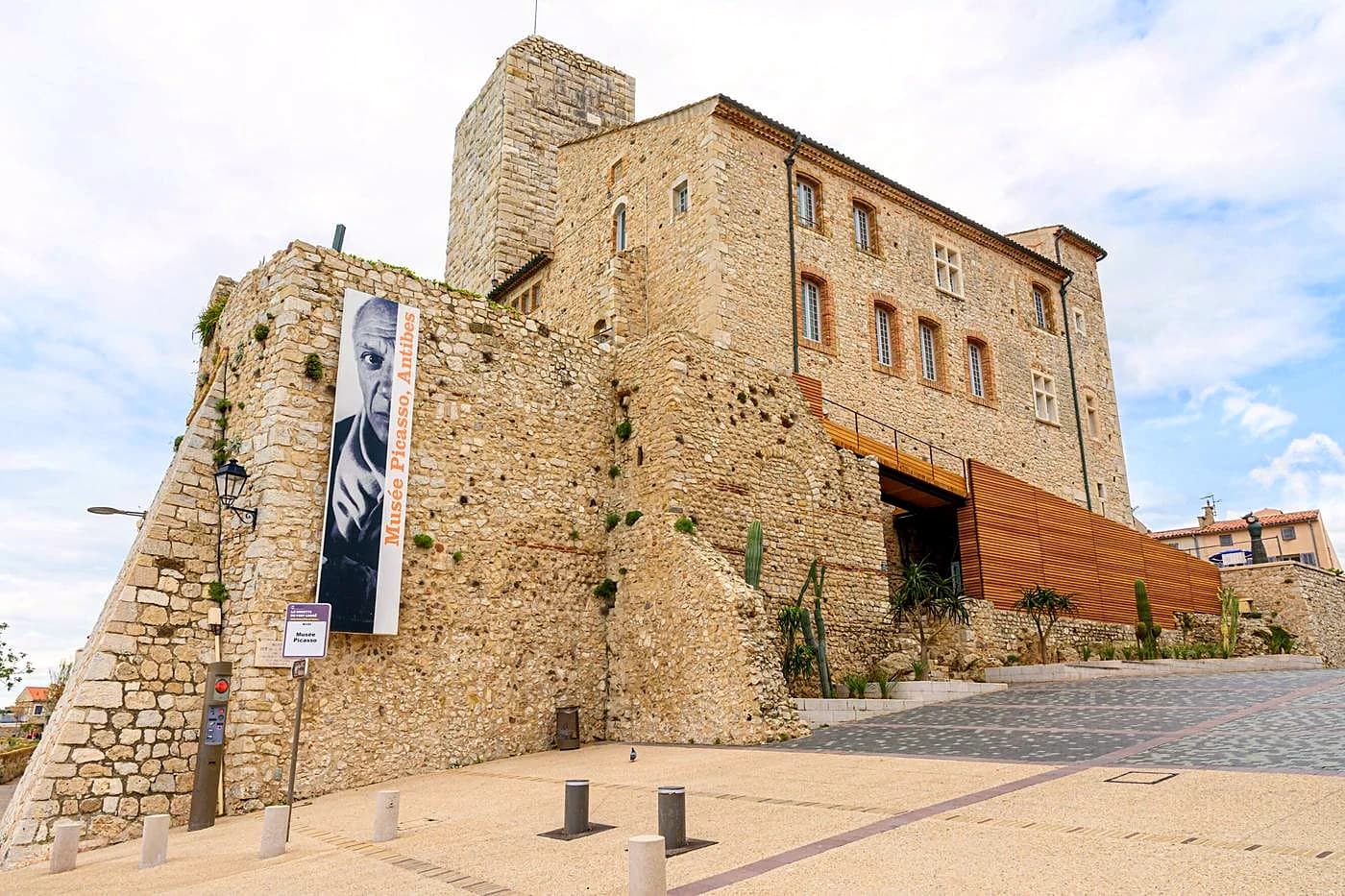
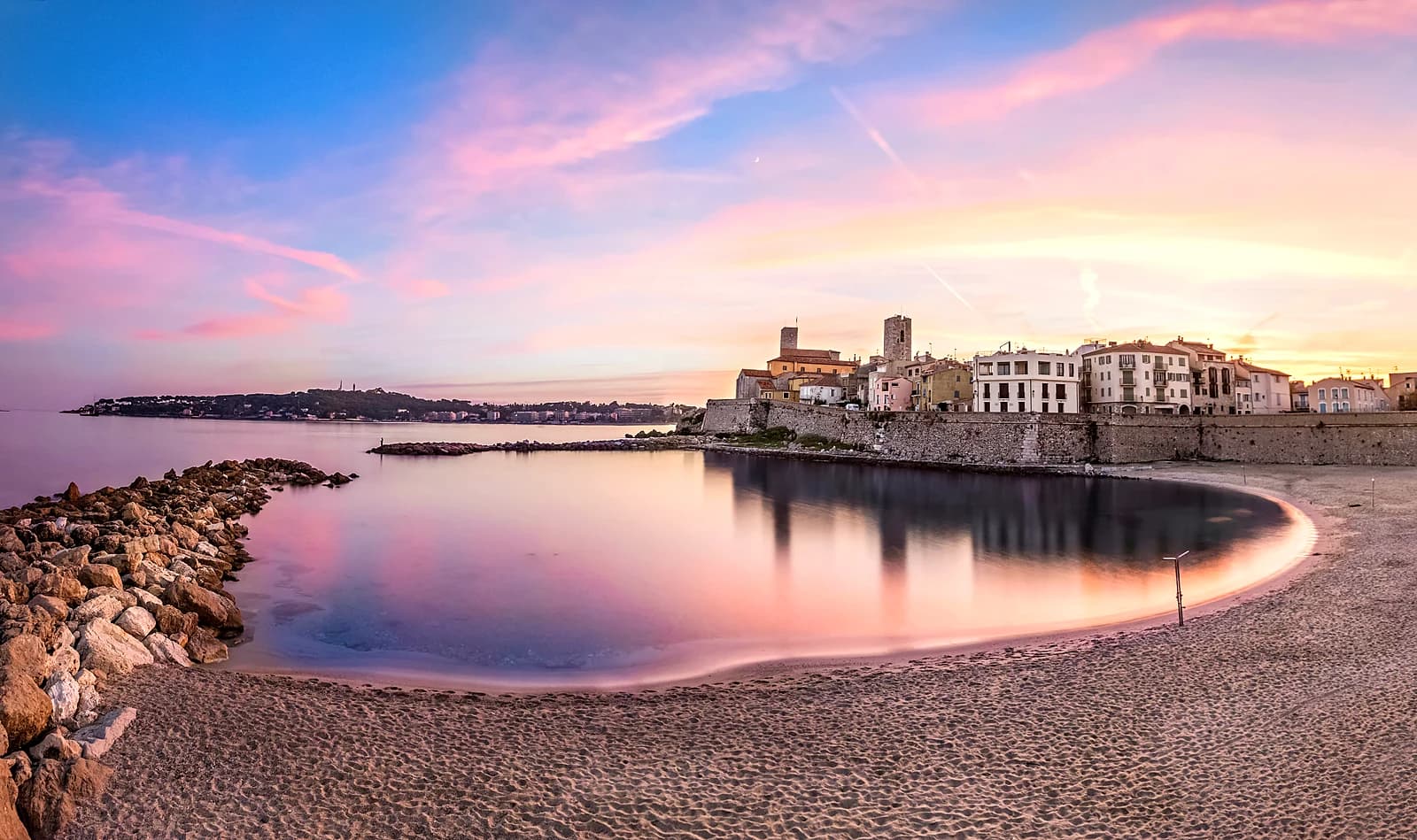
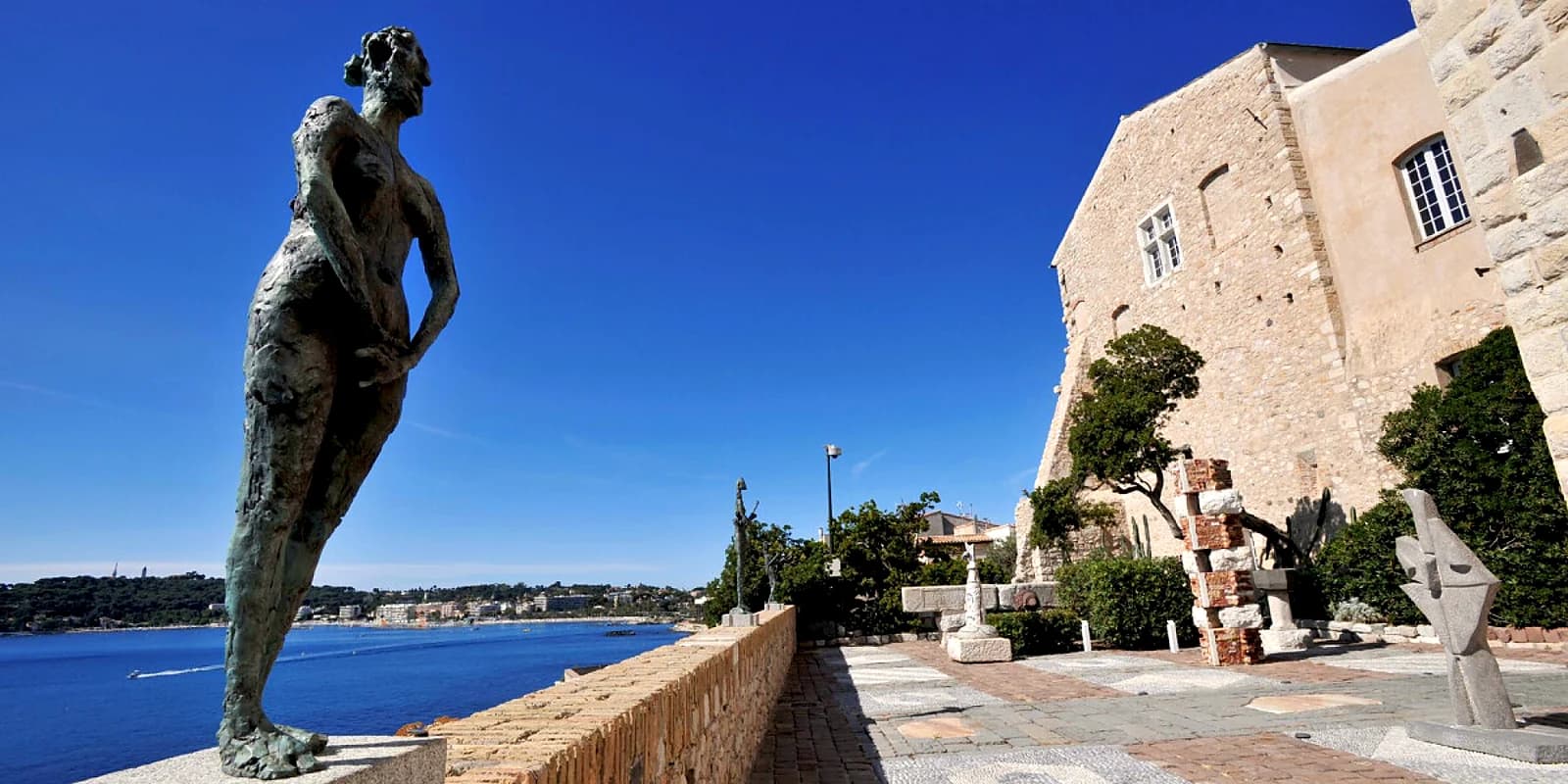
Monet came to Antibes in the winter of 1888 and stayed months longer than planned, painting the old town across the bay again and again, complaining in his letters that the blue kept changing faster than he could mix it. Picasso worked in the Château Grimaldi in the autumn of 1946, with the sea in every window, and left the town the paintings that became its museum. Nicolas de Staël spent his last winter on the Antibes ramparts, reducing the view from his studio to slabs of blue and grey.
And in Nice, a boy named Yves Klein grew up under this exact sky and spent his short career trying to patent it — International Klein Blue is, among other things, a local colour faithfully reported. The museums of this coast are full of attempts at the same subject. None of them exhaust it; the original is still outside, free of charge.
Where to find it in Antibes
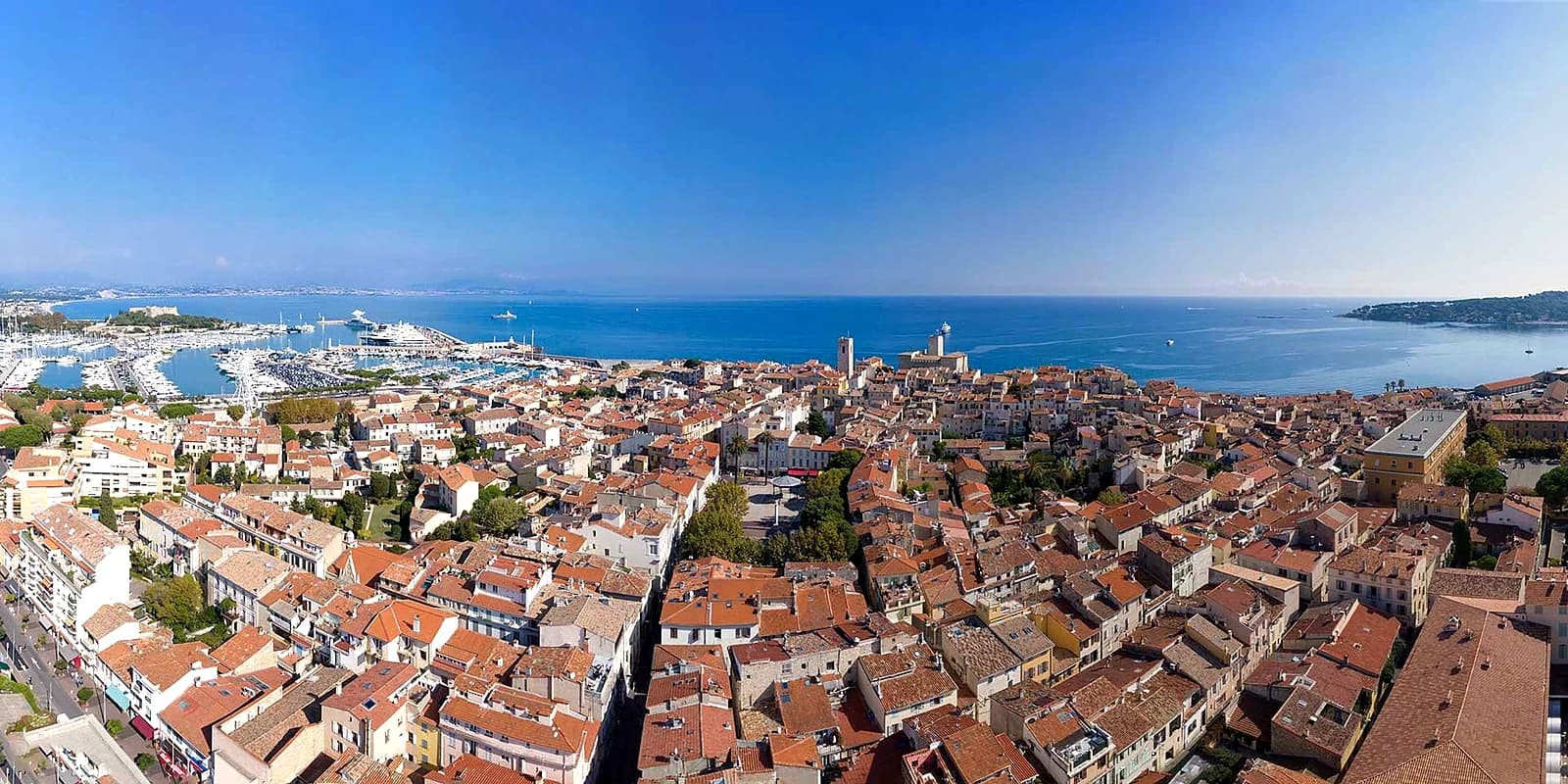
For the turquoise: the Plage de la Garoupe before ten in the morning, or any cove along the Sentier des Douaniers at midday, when the sun stands straight over the white rock. For the deep open blue: the ramparts walk at any hour, with nothing between the stone and the horizon.
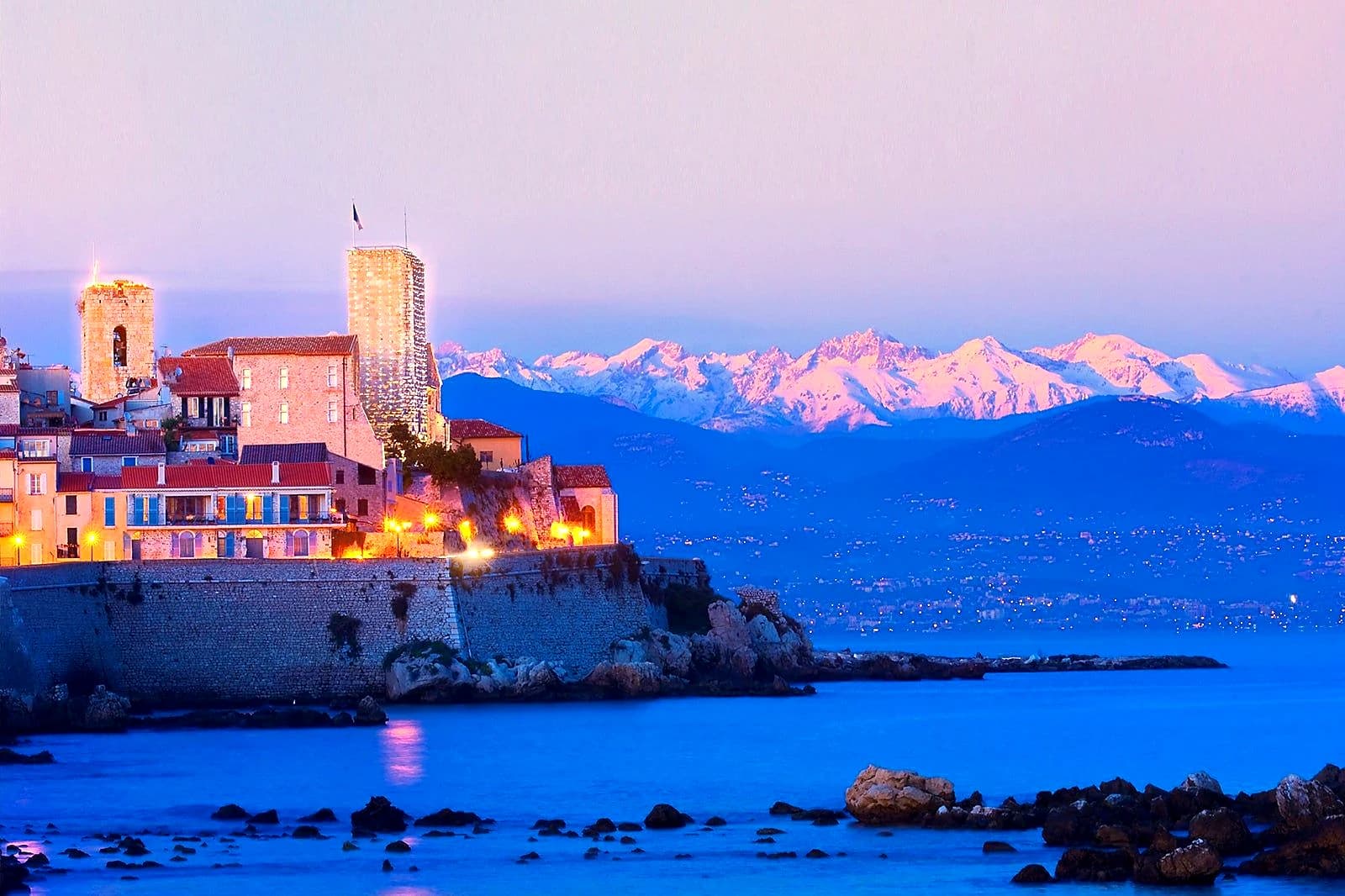
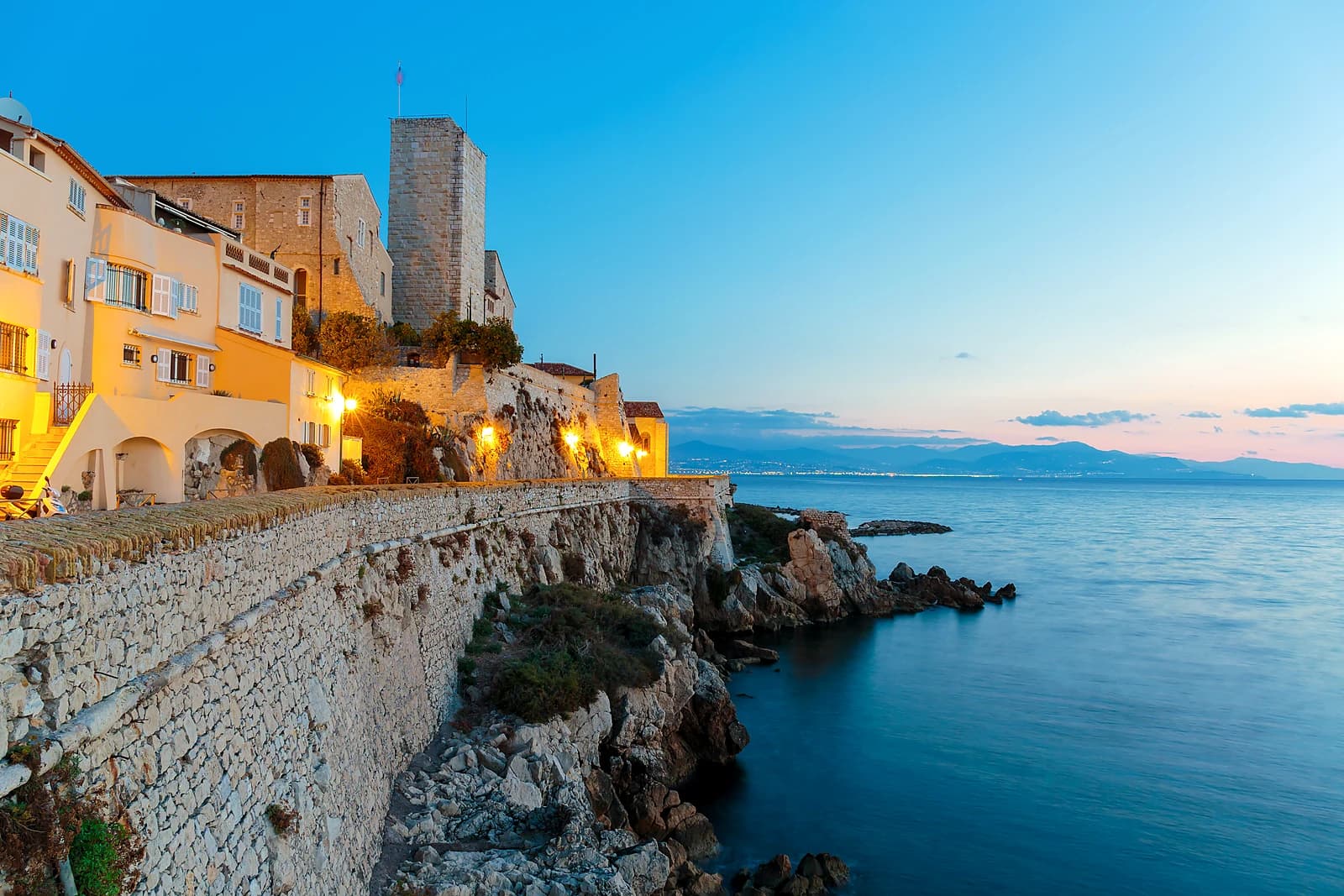
For the rarest one, come in winter. The cold air empties the sky of haze, the Alps behind Nice turn white, and the sea in January is a harder, more serious blue than August ever manages — the one Monet stayed for. And give yourself one blue hour on the ramparts: the twenty minutes after sunset when the sea and the sky agree on a single colour, and the name of the coast explains itself.
Everything on this page is minutes from our doors.
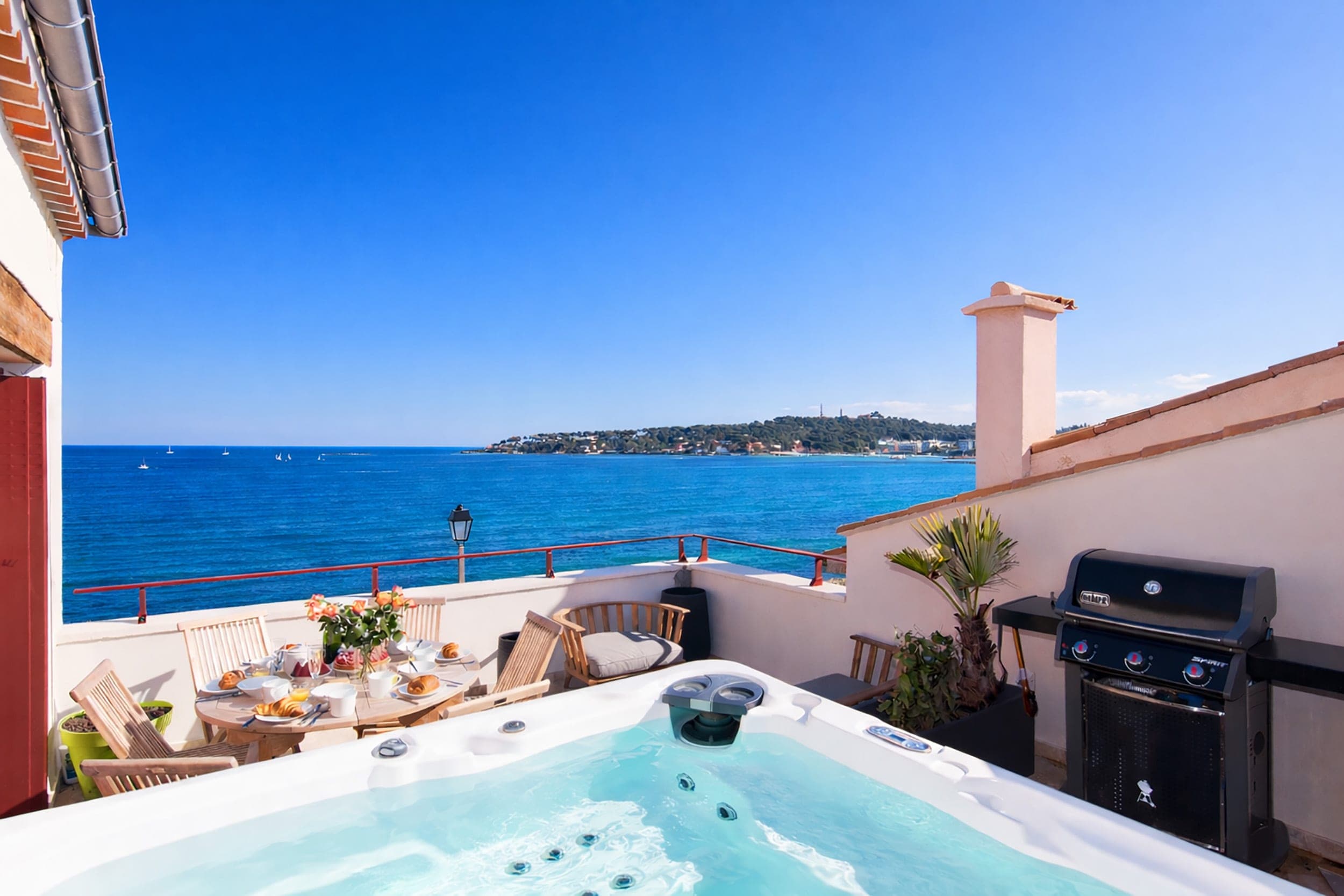
Seven restored houses inside the old town — live availability, transparent prices, and your hosts two streets away.
More from the guide
View the full guide →