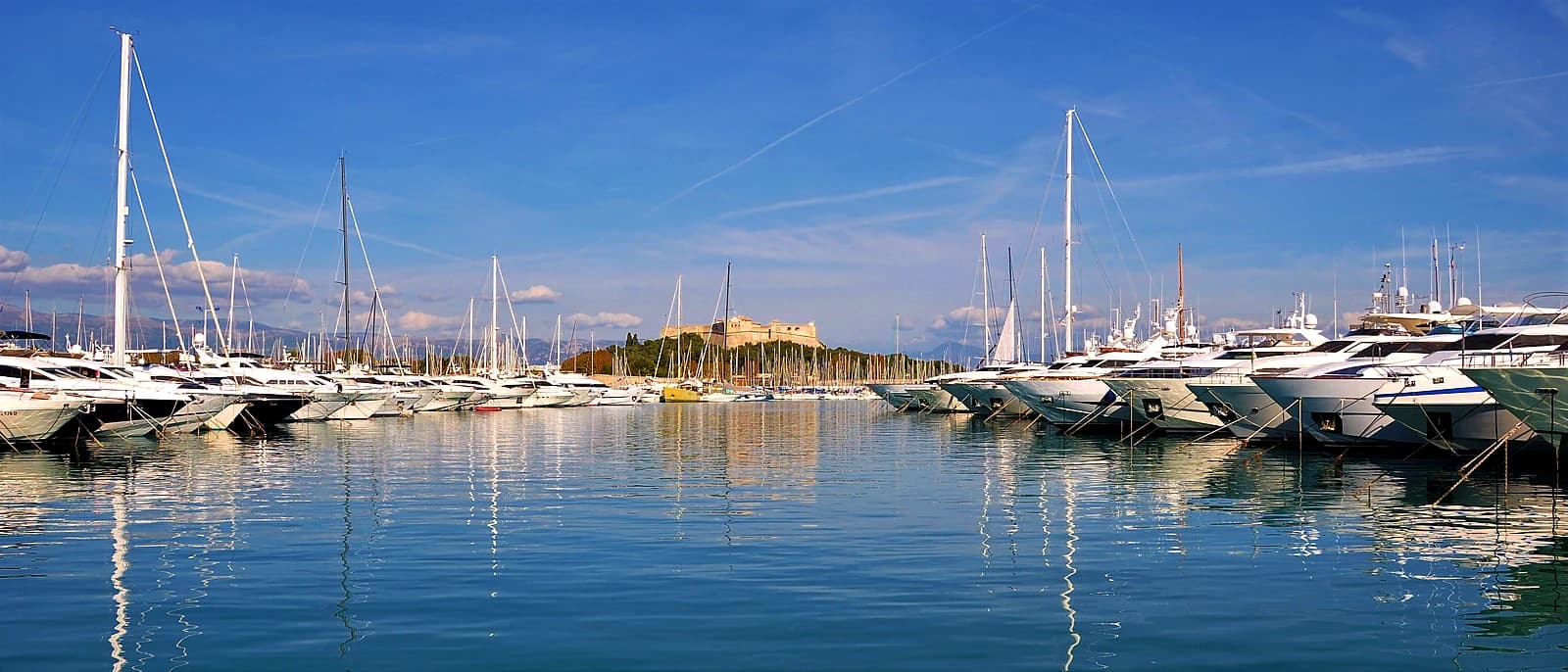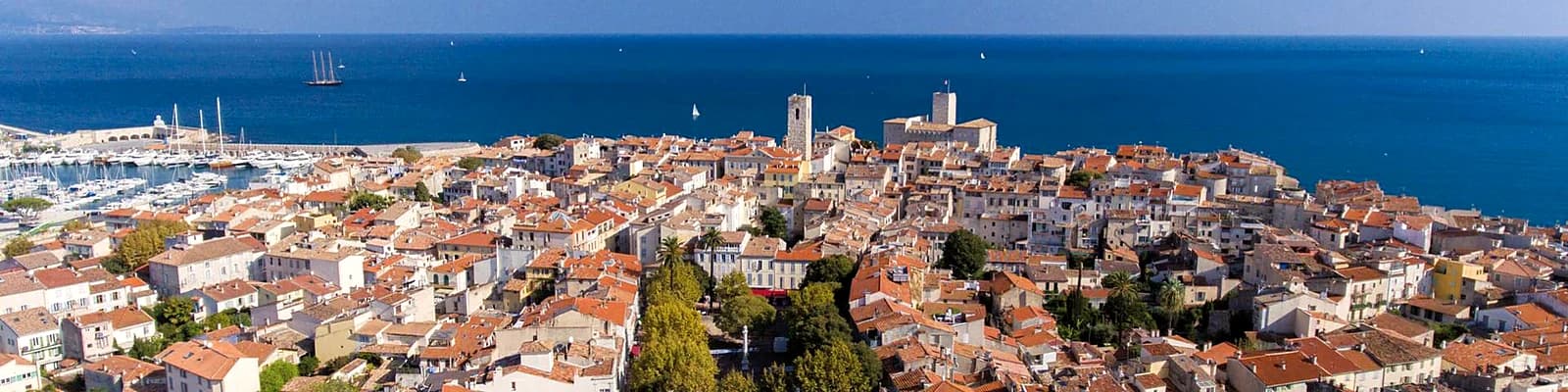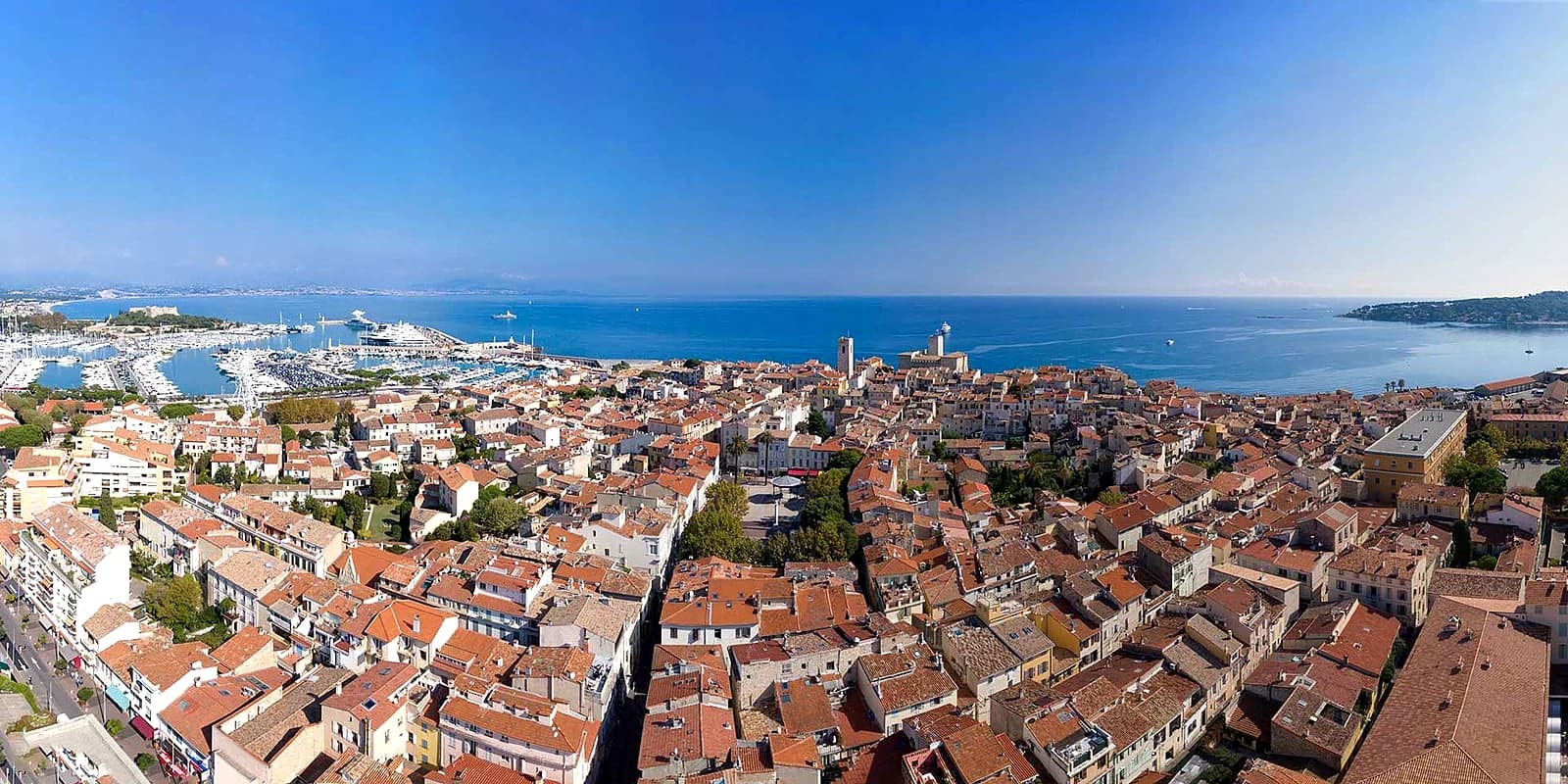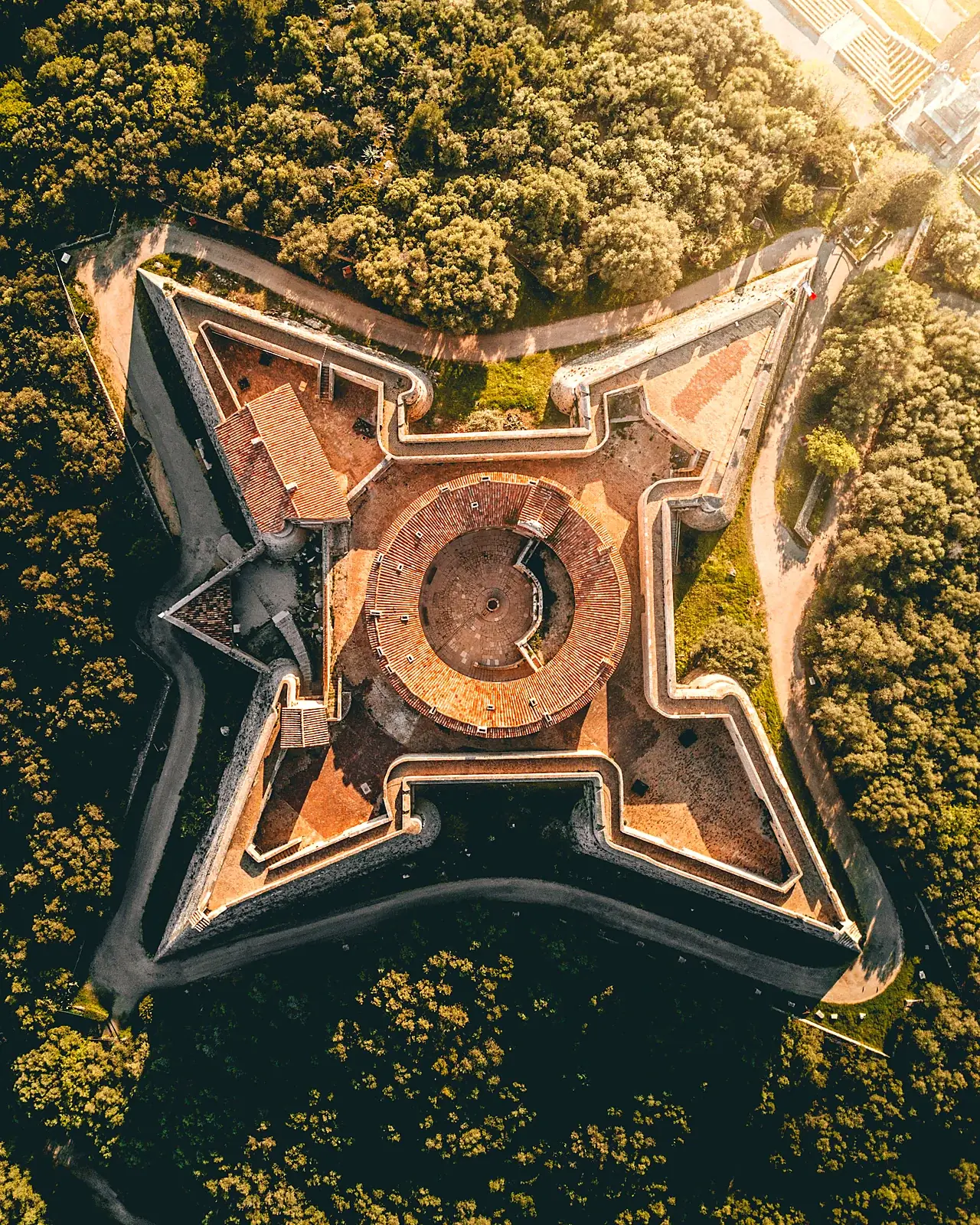
On its headland across the harbour, the Fort Carré has watched over Antibes since the sixteenth century, when the town was the last French port before the Savoy frontier. Its four-pointed star is visible from the whole bay, and the walkway on its ramparts gives one of the best panoramas in town. What to know before you go: whether it is open, what it costs, how to get there, and what to do if the gate is shut.
Is it open? Check first
The fort is run by the town, and its opening is sometimes suspended — for works, for events, occasionally for months at a time — without the change reaching every listing at once. A closed gate is the last thing you want after the walk round the harbour.
So ring the fort on +33 4 92 90 52 43, or check its page on antibes-juanlespins.com, on the day. It also closes without warning in bad weather. If it is shut, do not cancel the outing: the best views of the fort are from outside it, and they are free.
A soldier’s history
The fort was built in the second half of the sixteenth century on the orders of Henri II, during the Italian Wars, to watch the Var frontier; the engineer Jean de Renaud de Saint-Rémy is its probable designer. It is one of the earliest bastioned forts in France, and its four arrow-head bastions give it both its star shape and its name.
Vauban, Louis XIV’s engineer, came to Antibes in 1679 and 1682. He thought little of the fort, ordered improvements of which few were carried out, and proposed a full citadel that never came. So, whatever half the internet says, the Fort Carré is not a Vauban fort: it is older, and largely as Henri II’s engineers left it.
Its most famous resident was an involuntary one. In August 1794, after the fall of Robespierre, the young General Bonaparte was arrested as a Jacobin sympathiser and held for about ten days before being released. Local tradition places him in the fort; some historians place him in a house in town.
Decommissioned in the early twentieth century, the fort was classified a historic monument in 1906. The town bought it in 1997 and opened it to the public in 1998.
Inside: the walls and the guided tours
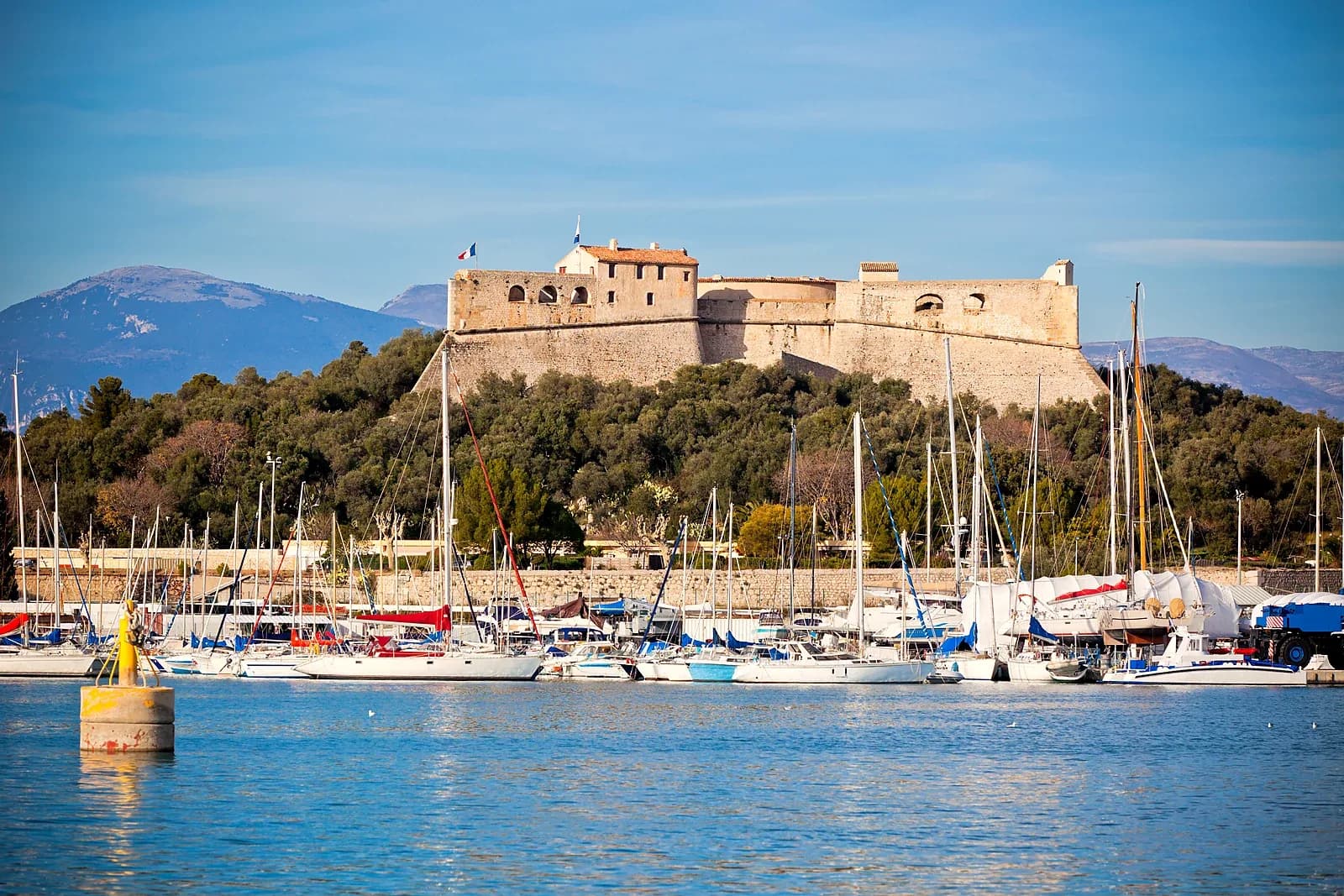
The rampart walkway stands 43 metres above the sea: from there you take in Port Vauban, the old town and, on a clear day, the Alps.
When it is open, commented tours leave at 11:00, 14:00 and 16:00 and are included in the ticket. Whether you may also wander alone varies from day to day; groups of more than ten must book. Allow an hour or two.
The small print: bags are checked, backpacks and suitcases are refused with no cloakroom, and unaccompanied minors are not admitted. The fort is not accessible to wheelchair users; the paths up are stony.
Opening hours and tickets
In normal times the fort opens Tuesday to Sunday, from 10:00 to 17:00 between September and June and from 10:00 to 18:00 in July and August, with last entry thirty minutes before closing. It is closed on Mondays and on 1 January, 1 May, 1 November and 25 December.
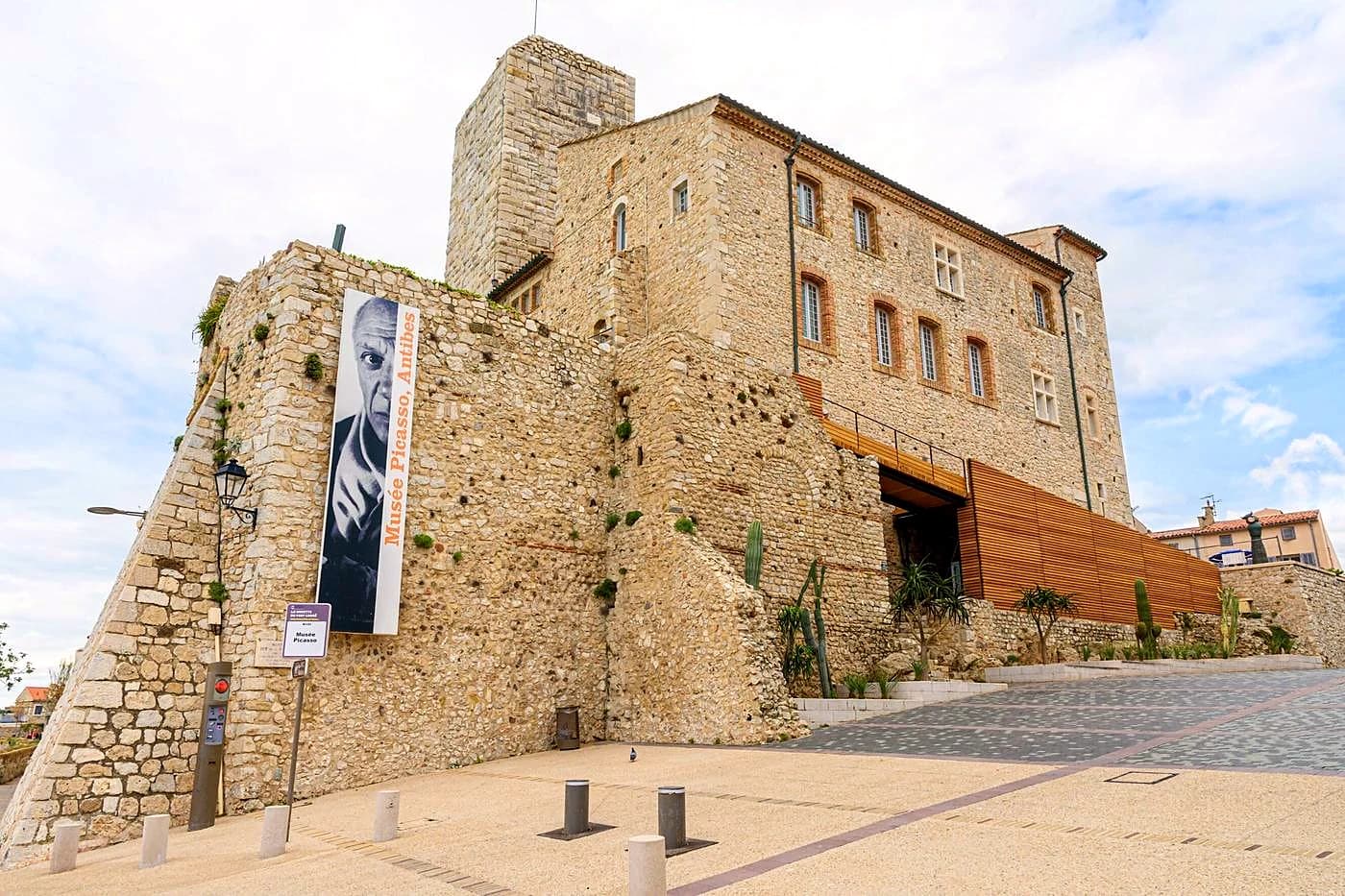
A ticket costs €5, or €3 at the reduced rate for students, large families and teachers; under-18s go free. If you are also going to the Picasso Museum, take the Antibes museum pass instead: €15, valid for seven days from the first entry, covering the Picasso Museum, the Archaeology Museum, the Peynet Museum and the Fort Carré, and it can be kept for a year before you start it.
The Picasso MuseumGetting there on foot, by bus or by car
On foot from the old town, leave by the Porte Marine and follow the harbour round: twenty to thirty minutes, superyachts included. From Antibes station it is a ten- to twenty-minute walk.
By car, the entrance is on the Avenue du 11 Novembre, where the town’s Fort Carré car park is free, with around 150 spaces; the walk up to the gate takes about ten minutes. The same car park is served by Envibus line 14 and by a free shuttle to and from the old town, handy in summer, when parking near the Porte Marine is a contact sport.
The stadium, the park and the beach
Below the walls, the Stade du Fort Carré opened in 1935 and seats about 7,000. It is home to FC Antibes and the town’s athletics club, so on a match evening the headland is noisier than it has been since the eighteenth century.
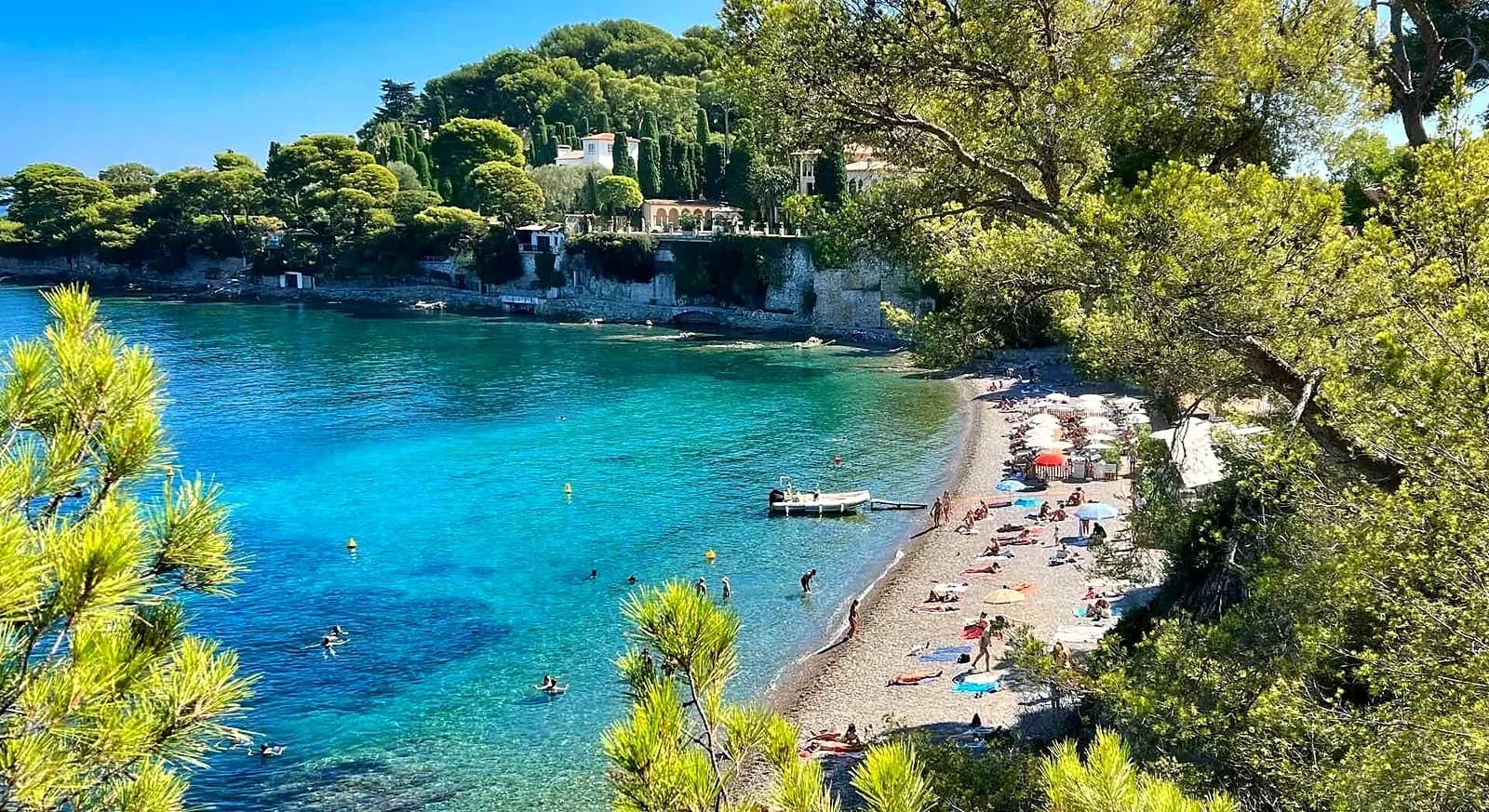
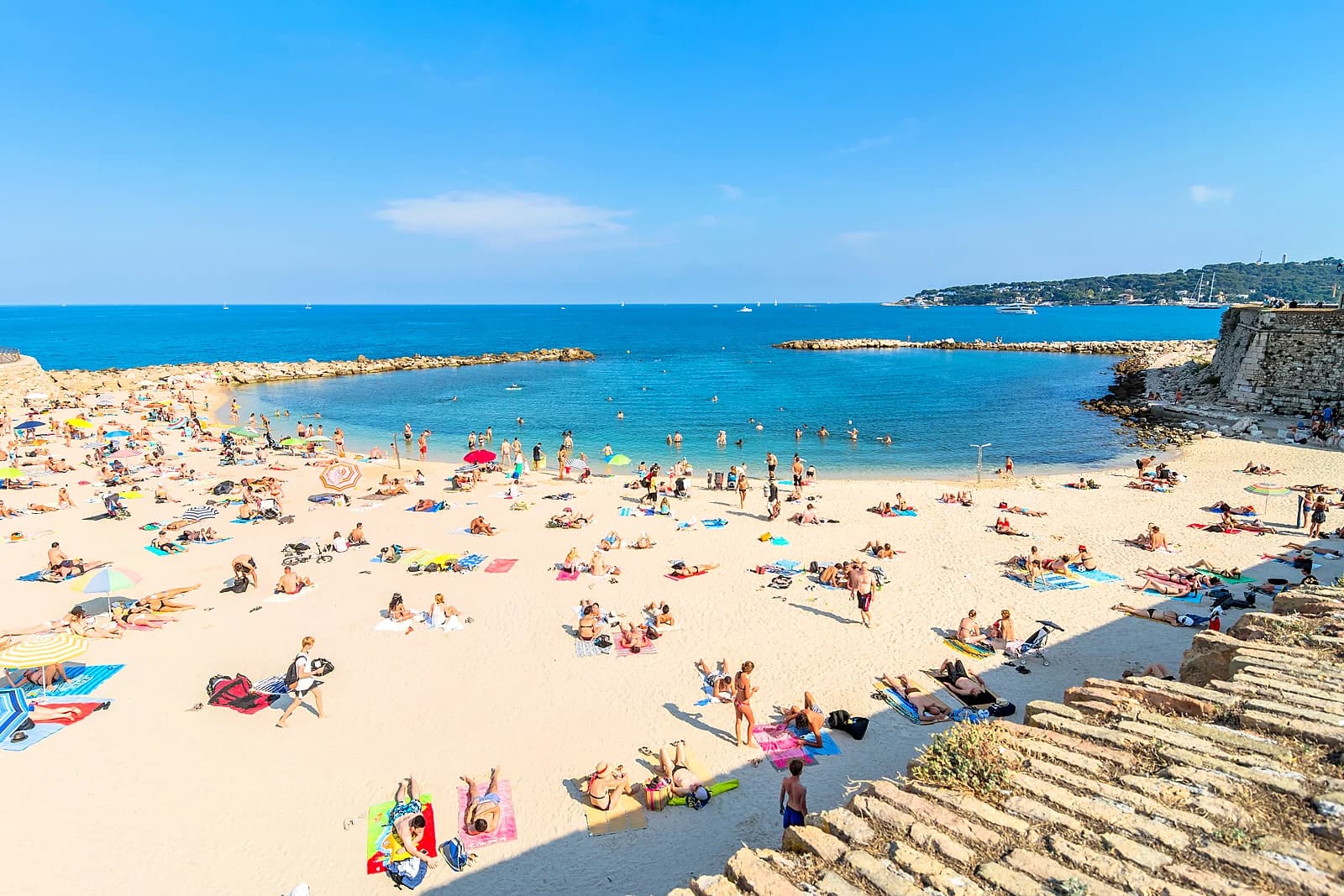
Around the fort, some four hectares of protected grounds planted with Mediterranean flora are classed as a Natura 2000 site. On the shore side, the Plage du Fort Carré has a lifeguard post from 1 July to 31 August.
Every beach in AntibesIf the gate is shut: the fort from outside
The Sentier du Fort Carré runs around the outside of the walls and is free and open every day, weather permitting; only the part inside the enclosure is restricted. You walk round the bastions with the sea below you, and the path carries on to Port Vauban.
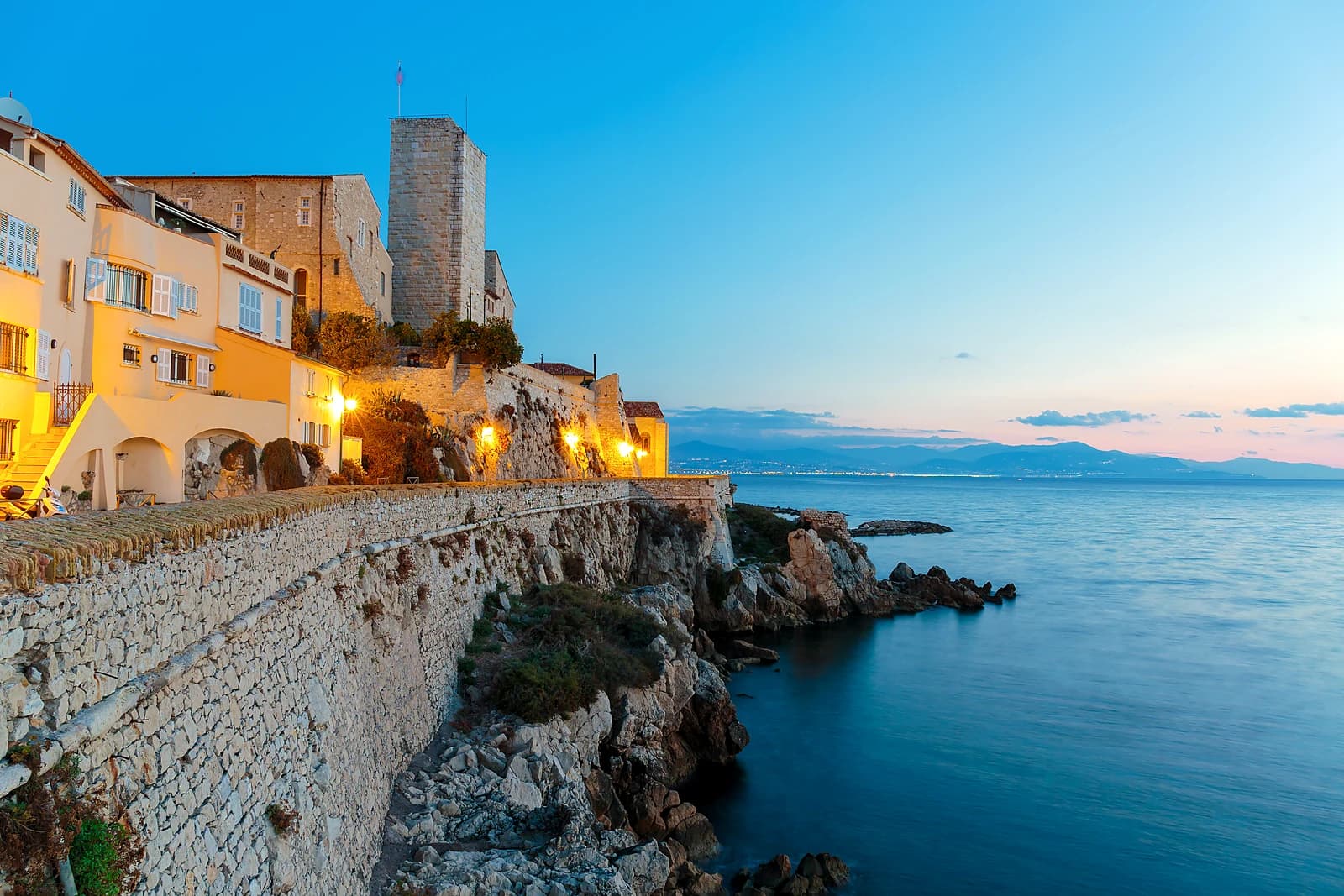
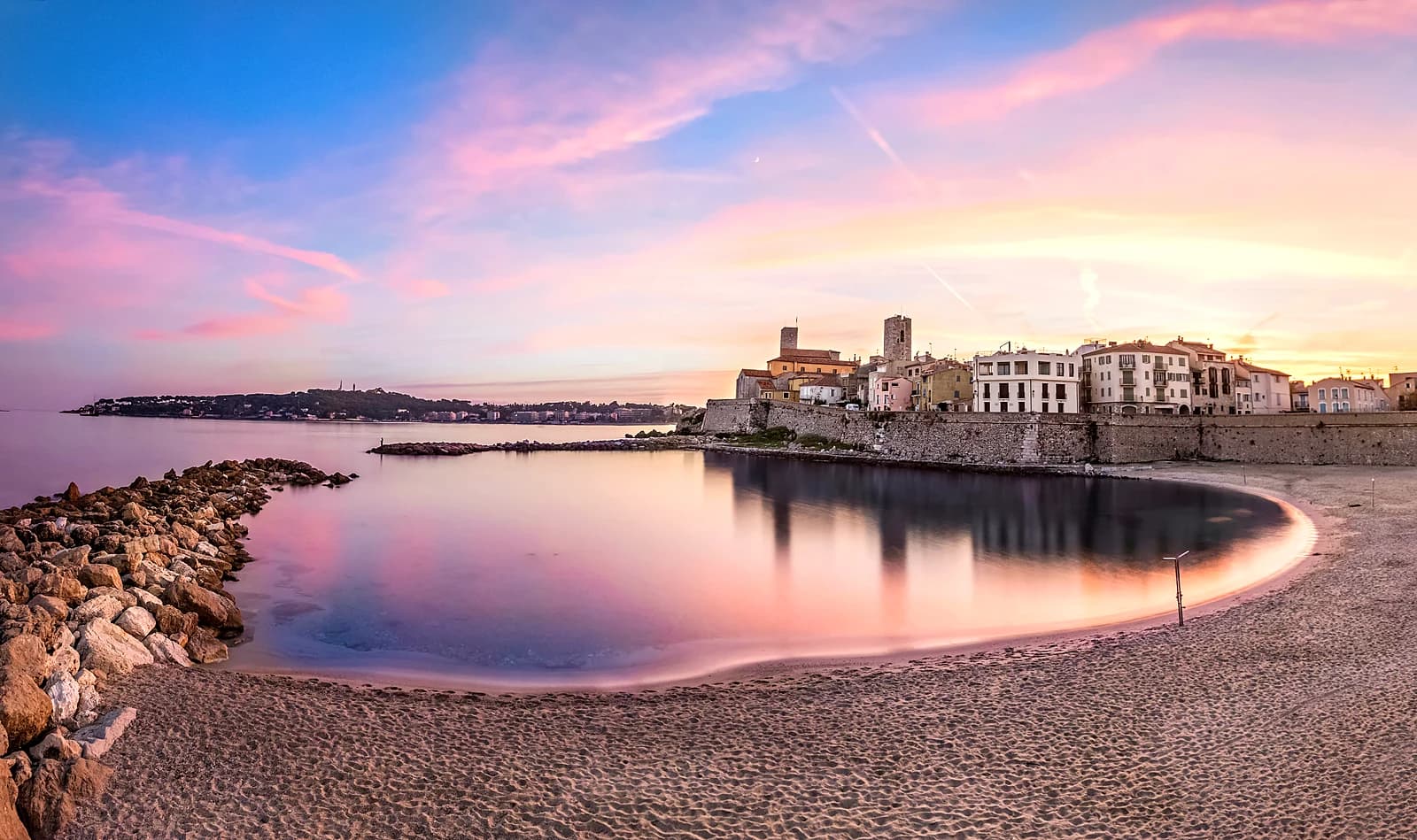
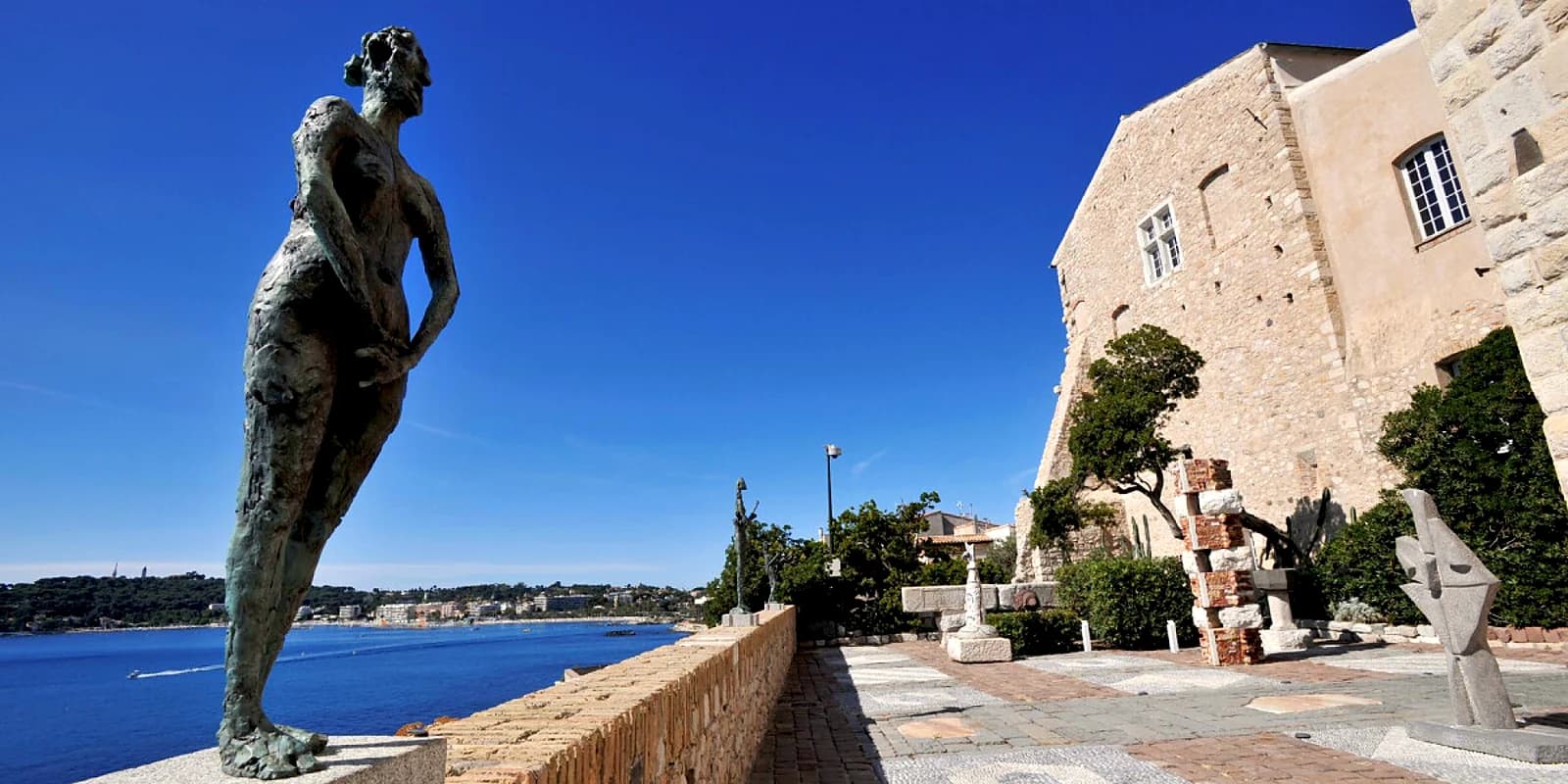
From the harbour, the star reads best from the quays and from the Bastion Saint-Jaume, where Plensa’s Nomade sits at the harbour mouth. Then walk back along the ramparts of the old town, which frame the fort across the water: at the end of the day, when the stone turns gold, it is the view that makes people forgive the closed gate.
Port Vauban on footQuestions
Is the Fort Carré in Antibes open?
Usually from Tuesday to Sunday, but its opening is sometimes suspended for works or events, and it closes in bad weather. Ring +33 4 92 90 52 43 or check its page on antibes-juanlespins.com on the day.
What are the Fort Carré opening hours?
In normal times, Tuesday to Sunday from 10:00 to 17:00 between September and June, and 10:00 to 18:00 in July and August, with last entry thirty minutes before closing. It is closed on Mondays, on 1 January, 1 May, 1 November and 25 December, and in bad weather.
How much are tickets for the Fort Carré in Antibes?
€5 full price, €3 reduced, free for under-18s, with guided tours at 11:00, 14:00 and 16:00 included. The €15 Antibes museum pass covers the fort, the Picasso, Archaeology and Peynet museums for seven days.
Was Napoleon imprisoned in the Fort Carré?
Briefly, according to local tradition: in August 1794, after Robespierre’s fall, General Bonaparte was arrested and held for about ten days. Some historians place his detention in a house in town rather than in the fort.
Where do you park for the Fort Carré in Antibes?
At the free Fort Carré car park on the Avenue du 11 Novembre, about ten minutes’ walk from the entrance. Envibus line 14 and a free shuttle from the old town stop there too.
Everything on this page is minutes from our doors.
Seven restored houses inside the old town — live availability, transparent prices, and your hosts two streets away.
More from the guide
View the full guide →