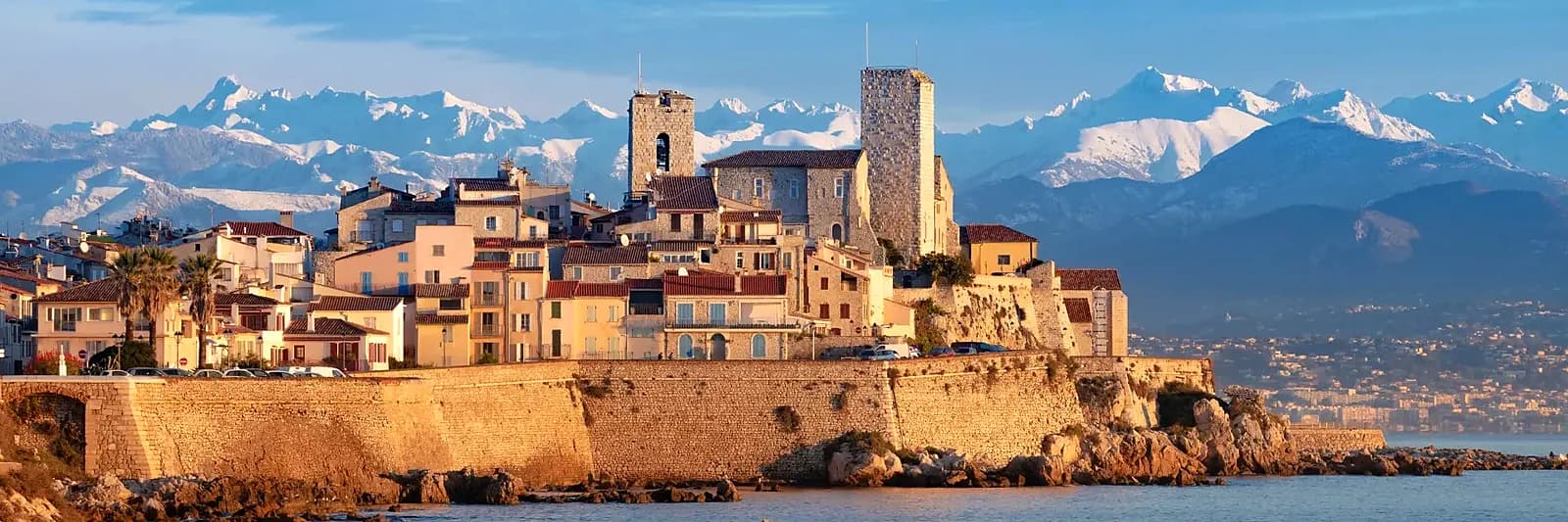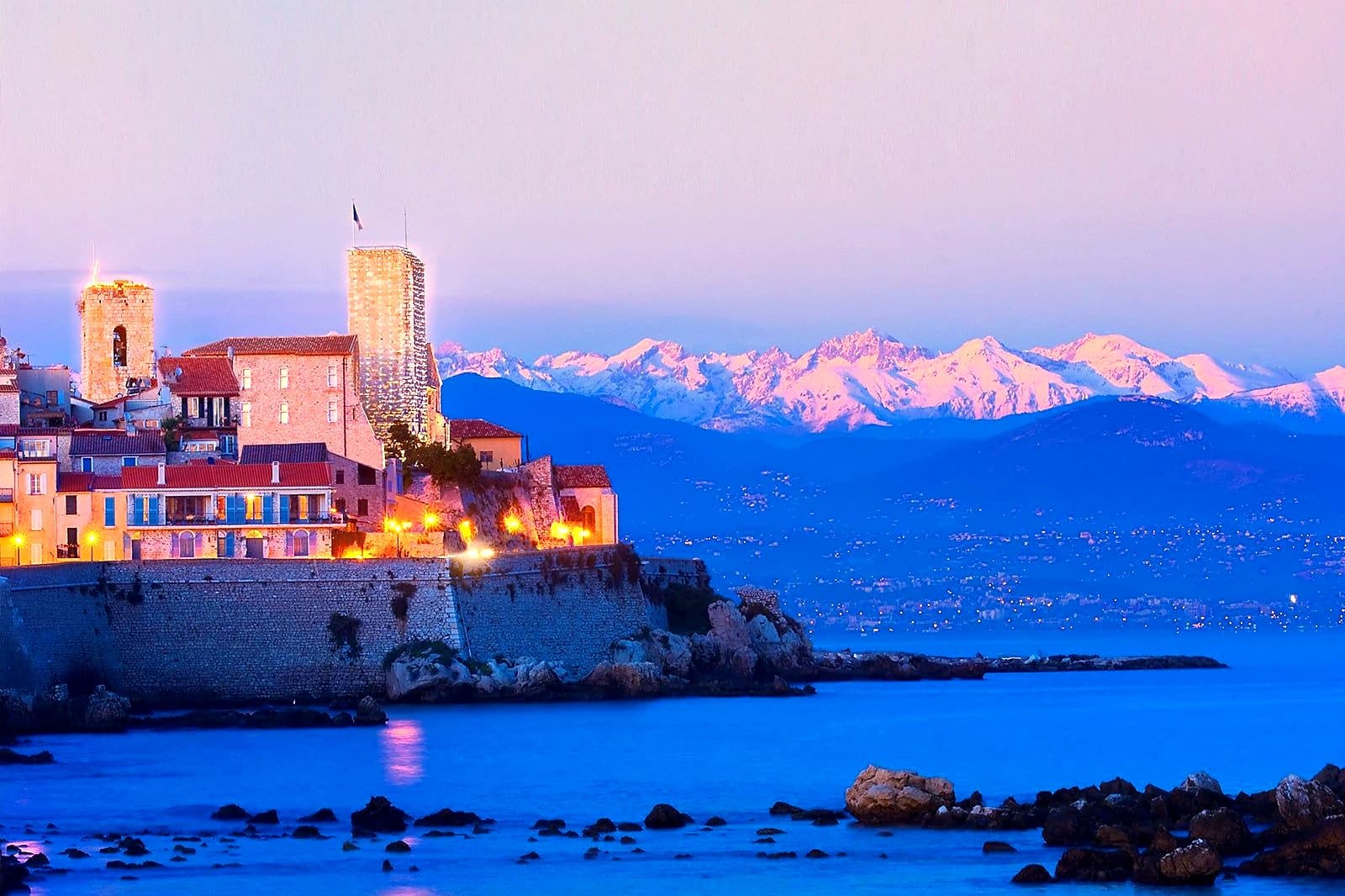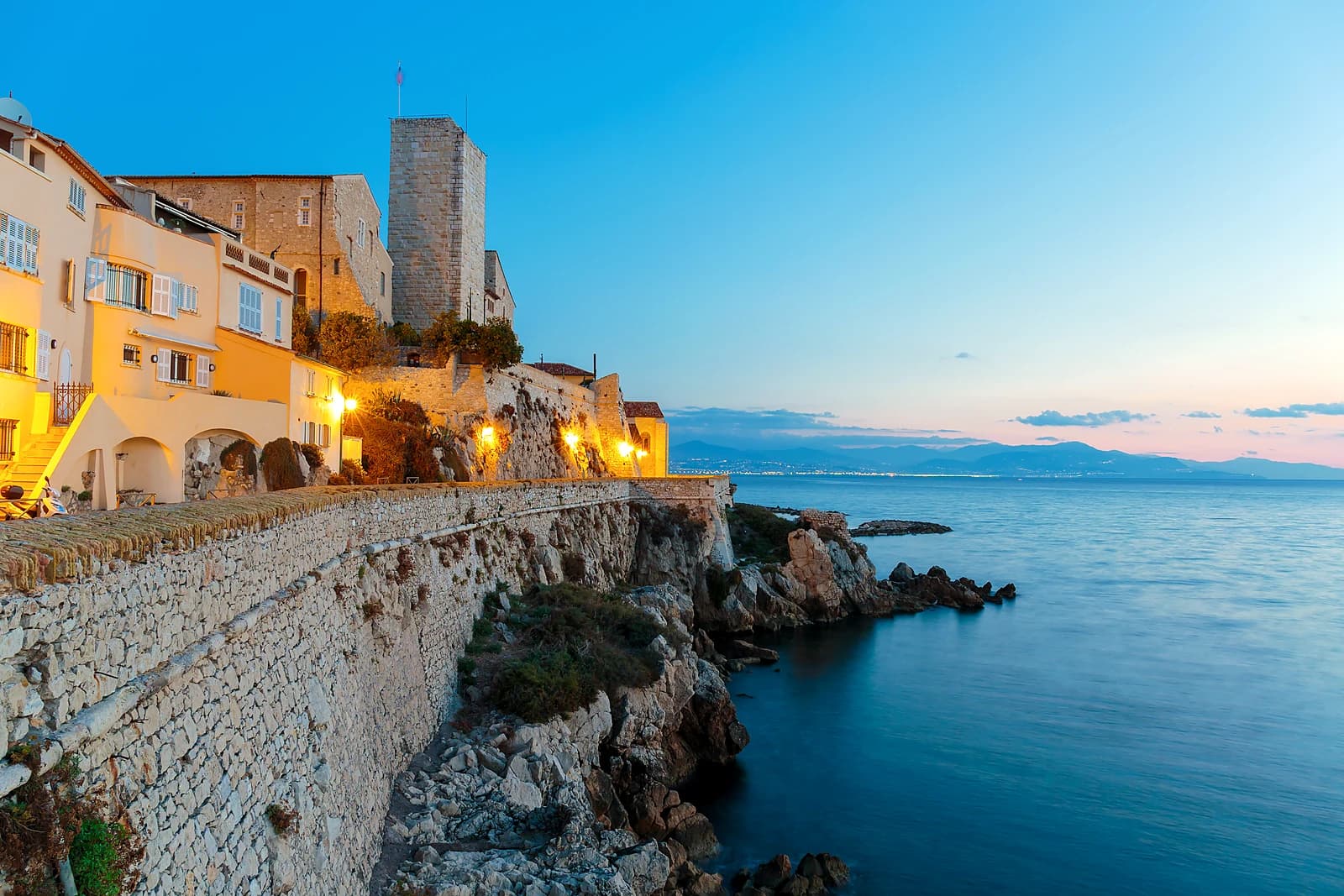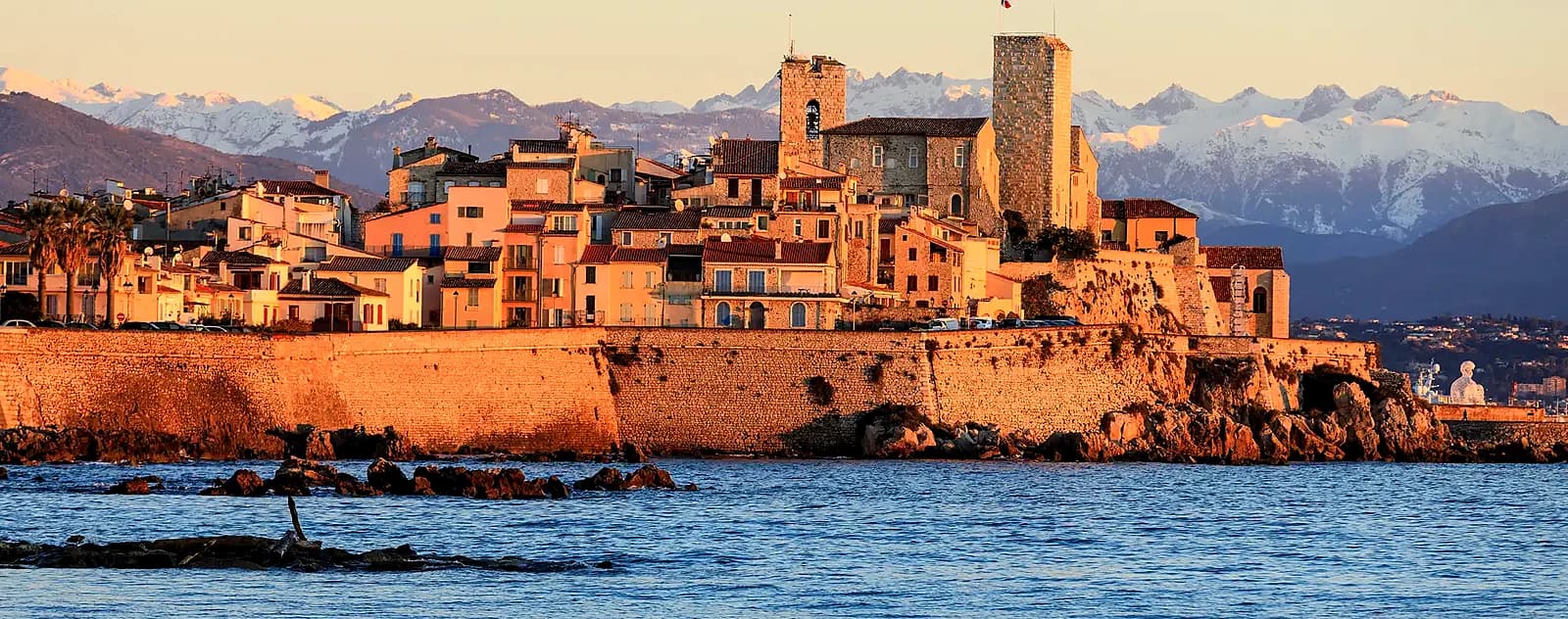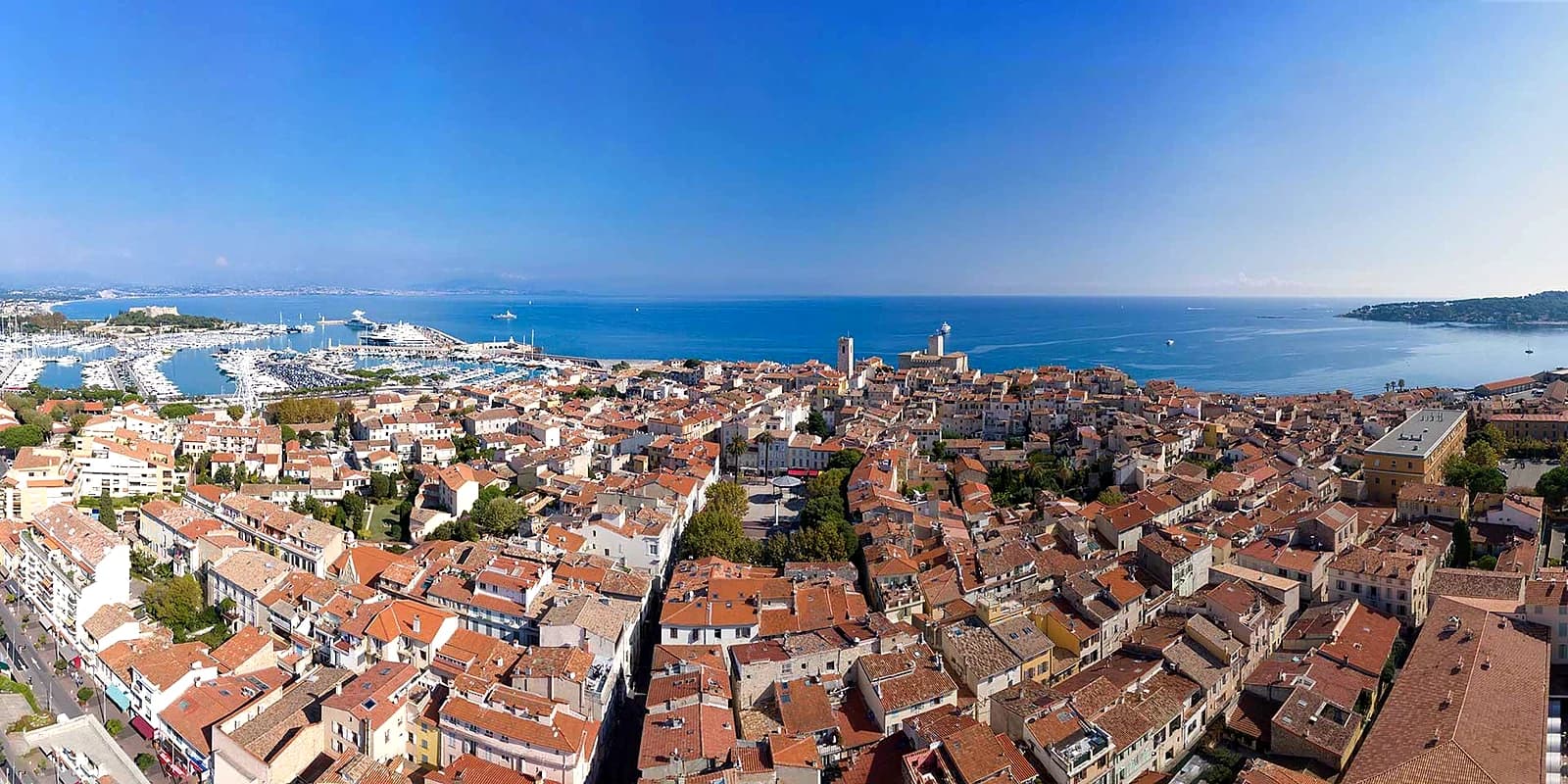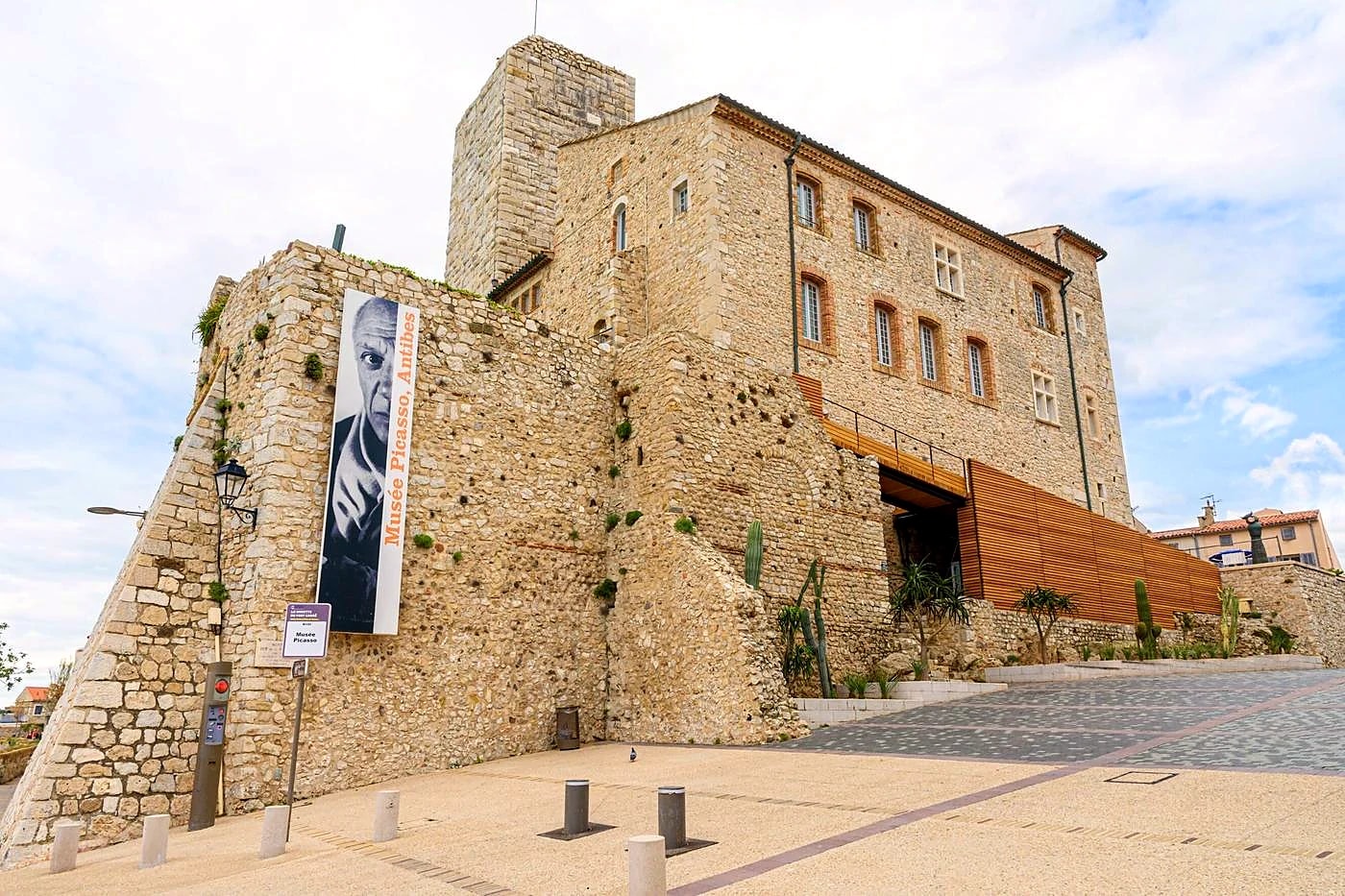
In the autumn of 1946, Pablo Picasso was offered a room on the top floor of the Château Grimaldi as a studio. He left the works he made there to the town, and in 1966 the château became the Musée Picasso, the first museum dedicated to the artist. It is small, it sits on the sea wall, and it is a few minutes on foot from our houses in the old town. What is inside, when it opens, and what it costs.
A castle, a painter and two months in 1946
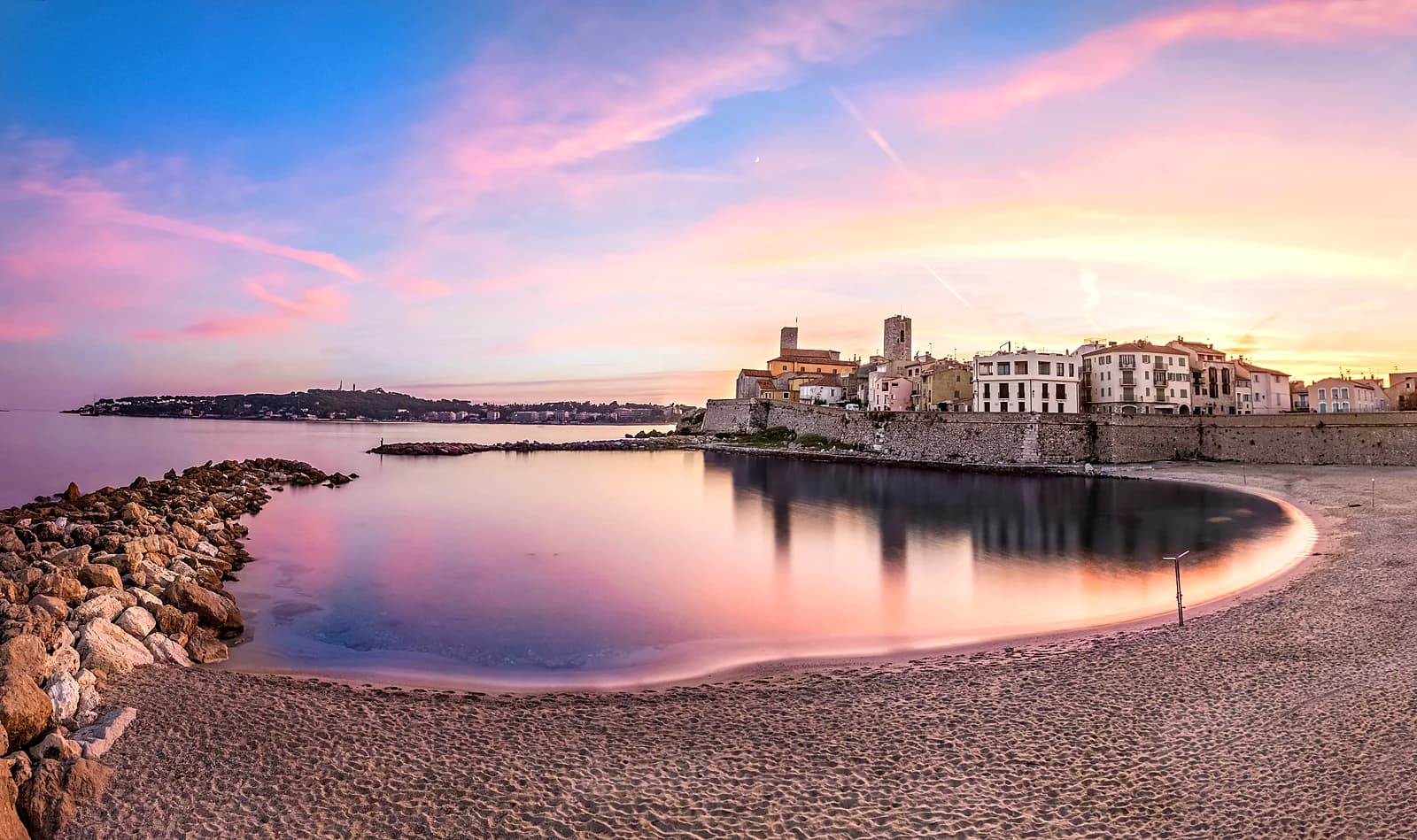
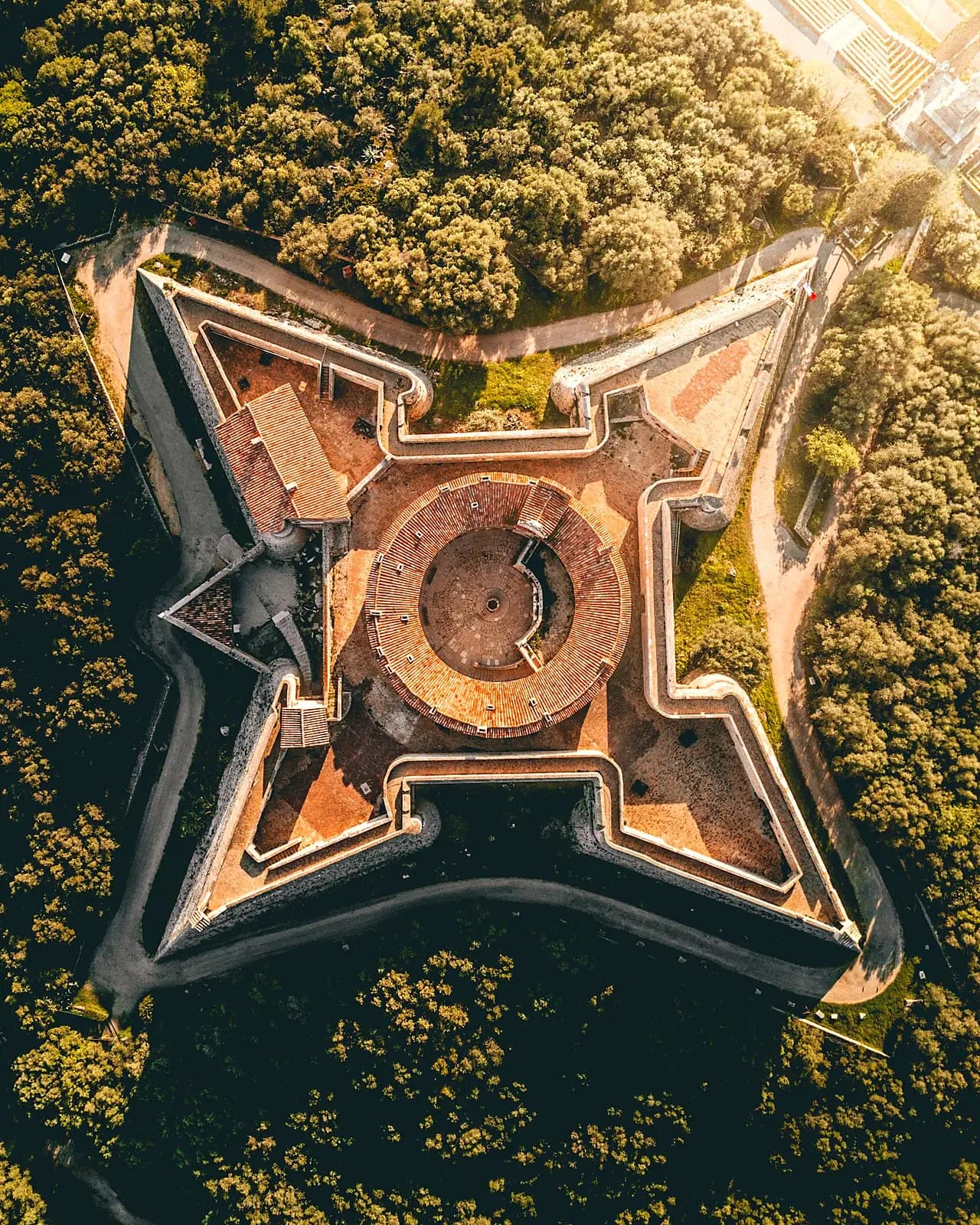
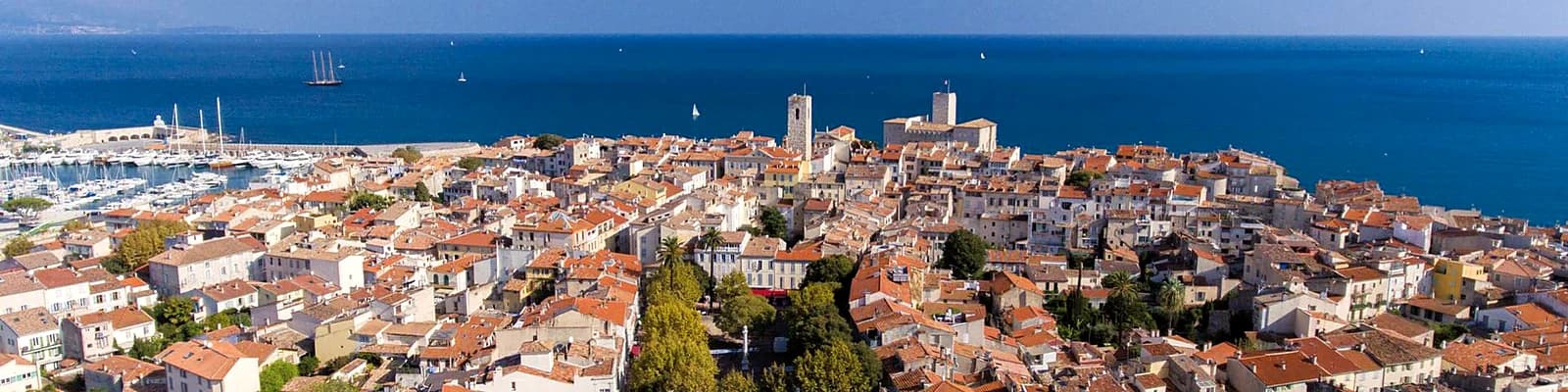
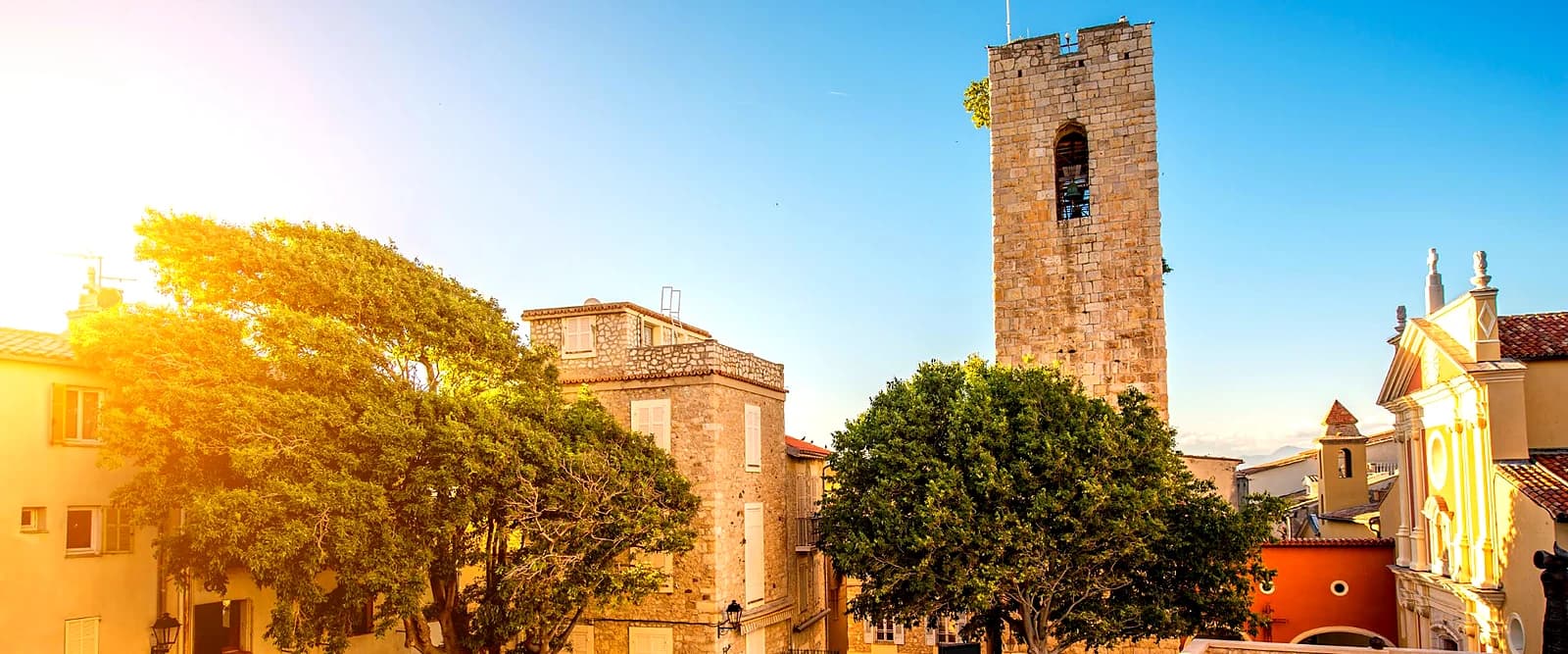
The château stands on the acropolis of Greek Antipolis, the oldest ground in Antibes. The Grimaldi family held it from 1385 until the French crown bought it back in 1608, hence the name. It later served as a barracks; in 1925 the town bought it and opened the Musée Grimaldi, with the teacher and archaeologist Romuald Dor de la Souchère as its first curator.
In the summer of 1946 Picasso was living with Françoise Gilot in Golfe-Juan. Dor de la Souchère lent him the large guardroom on the second floor. Picasso worked there from mid-September to mid-November, on whatever post-war France could supply — household enamel paint, fibre-cement board, plywood — and left the town 23 paintings and 44 drawings. He was made an honorary citizen of Antibes in 1957; on 27 December 1966 the château was renamed the Musée Picasso.
What you will see
The Picasso rooms are on the second floor, the same floor he worked on. The works of that autumn are the heart of the collection: La Joie de vivre; Satyre, faune et centaure au trident; Le Gobeur d’oursins, the sea-urchin eater, who was clearly a local. Alongside them are 78 ceramics Picasso made in 1947 and 1948 at the Madoura workshop in Vallauris, and later gifts that enlarged the collection, among them the donation of Jacqueline Picasso.
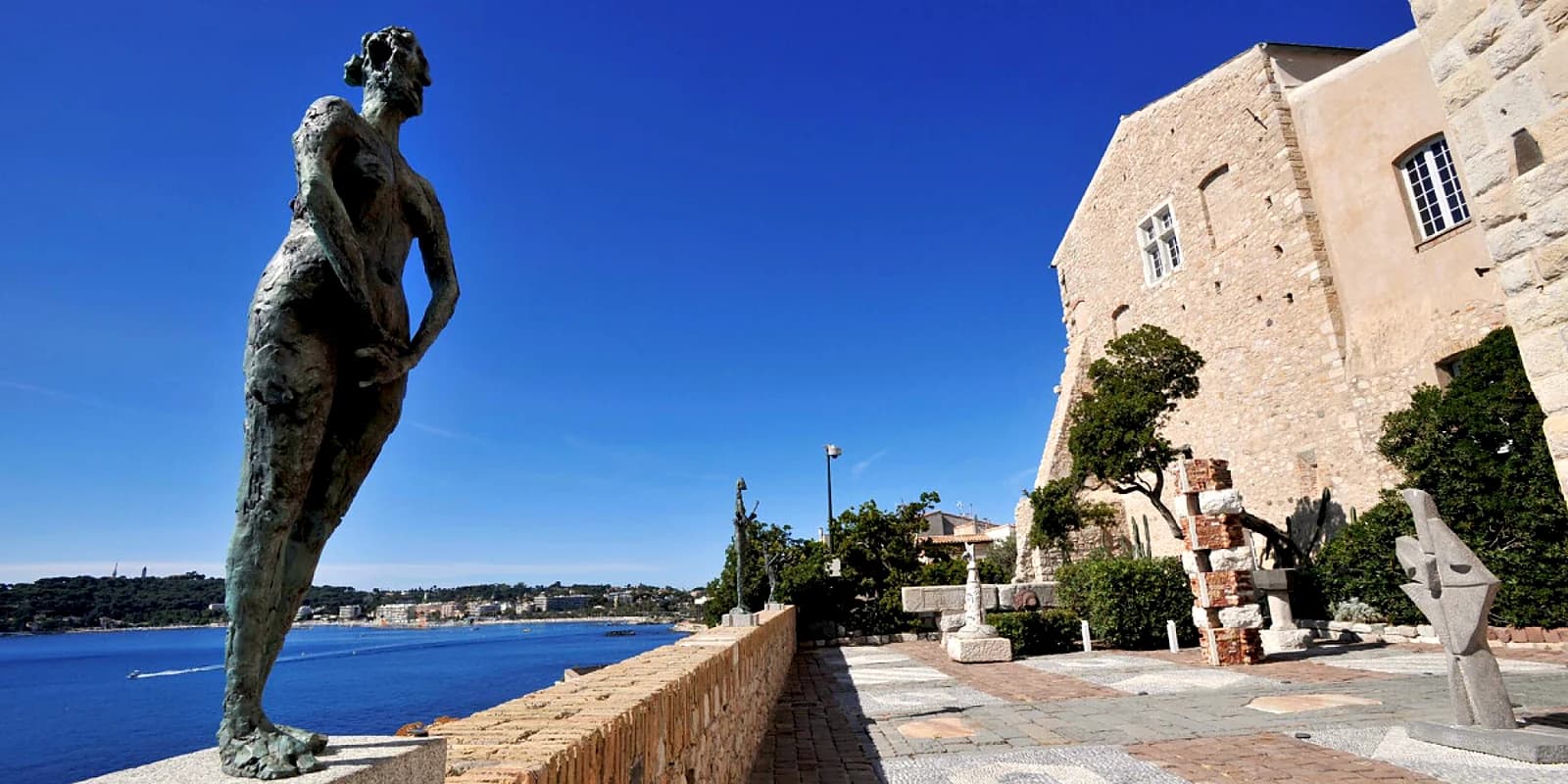
Leave by the outside ramp and you reach the terrace, where sculptures by Germaine Richier stand on permanent display against the horizon, with works by Joan Miró and others nearby. It is one of the finest viewpoints in the old town, and it comes with the ticket.
Nicolas de Staël and the other rooms
The museum is not only Picasso. Nicolas de Staël lived in Antibes from September 1954 to March 1955, and the museum holds works from that last period. The largest is Le Concert, a canvas three and a half metres high and six wide, painted in March 1955 in a borrowed military building on the Cap d’Antibes, days before his death. It entered the collection in 1986.
On the ground floor, two vaulted rooms are given to Hans Hartung and Anna-Eva Bergman, following a 2001 donation from their foundation. Temporary exhibitions change through the year, and the modern art collection, begun in 1951, runs to names such as Calder, Ernst, Klein and Modigliani.
Opening hours and the Monday rule
The museum is closed every Monday, all year, and on 1 January, 1 May, 1 November and 25 December. The rest of the week, the hours depend on the season. The ticket desk closes half an hour before each closing time, at 12:30 and 17:00, so the last sensible arrival is earlier than the door suggests.
Tickets, free weeks and the museum pass
At the time of writing (2026 rates), a full-price ticket costs €12 and a reduced one €8, for students, teachers, large families and groups of ten or more, with proof. Prices are set by the town and do change: check the museum’s page on antibes-juanlespins.com, where tickets can also be booked online.
Entry is free for under-18s, job seekers and some other groups, and free for everyone during two weeks a year: from the first Tuesday after 1 November to the following Sunday, and from the first Tuesday in February to the following Sunday. Guided tours are free with a ticket, if at least three people turn up.
Getting there, and accessibility
The address is Place Mariéjol, at the seaward edge of the old town, beside the cathedral. Antibes station is about twelve minutes on foot from the old town; drivers will find the nearest car park, Q-Park Pré aux Pêcheurs, about 400 metres away, because the lanes around the château are pedestrian.
Inside, the 2008 renovation added a lift and platform lifts, the museum is accessible to wheelchair users, and two wheelchairs can be borrowed on site. A car can drop a visitor at Place Mariéjol, with prior permission to enter the pedestrian zone. Adapted visits can be booked, and the free Picasso Antibes app includes a French Sign Language route and an audio-description route. Guide dogs are welcome; other animals are not.
Tips for your visit
The museum is compact. An hour is enough for the Picasso floor and the terrace; allow an hour and a half if de Staël and a temporary exhibition are on your list. From our houses in the old town, you are two to five minutes away on foot. Go at opening time in summer: you will have the terrace almost to yourself.
Outside summer, the museum closes from one to two. Plan around it: the château in the morning, lunch in the old town.
What to do next door
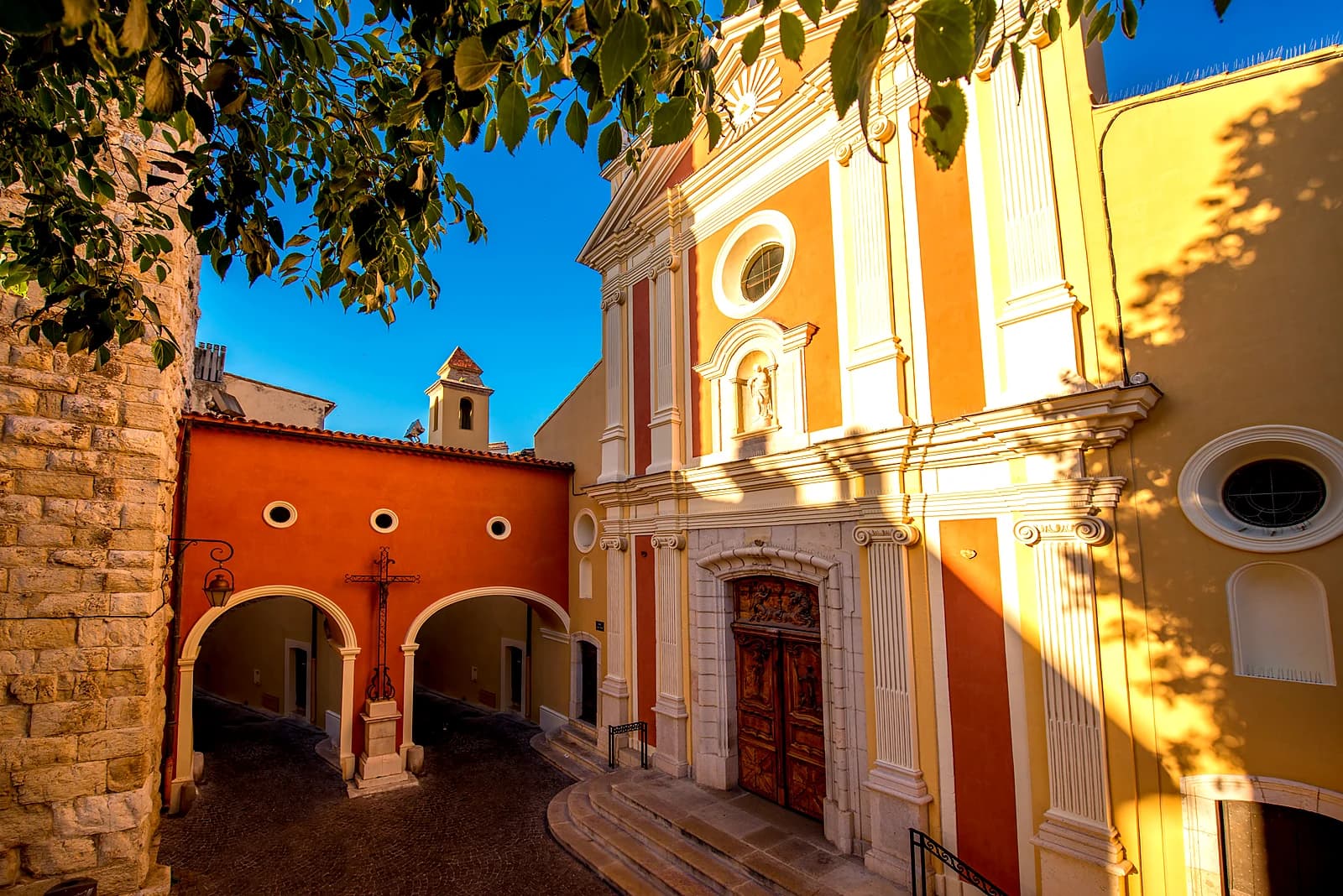
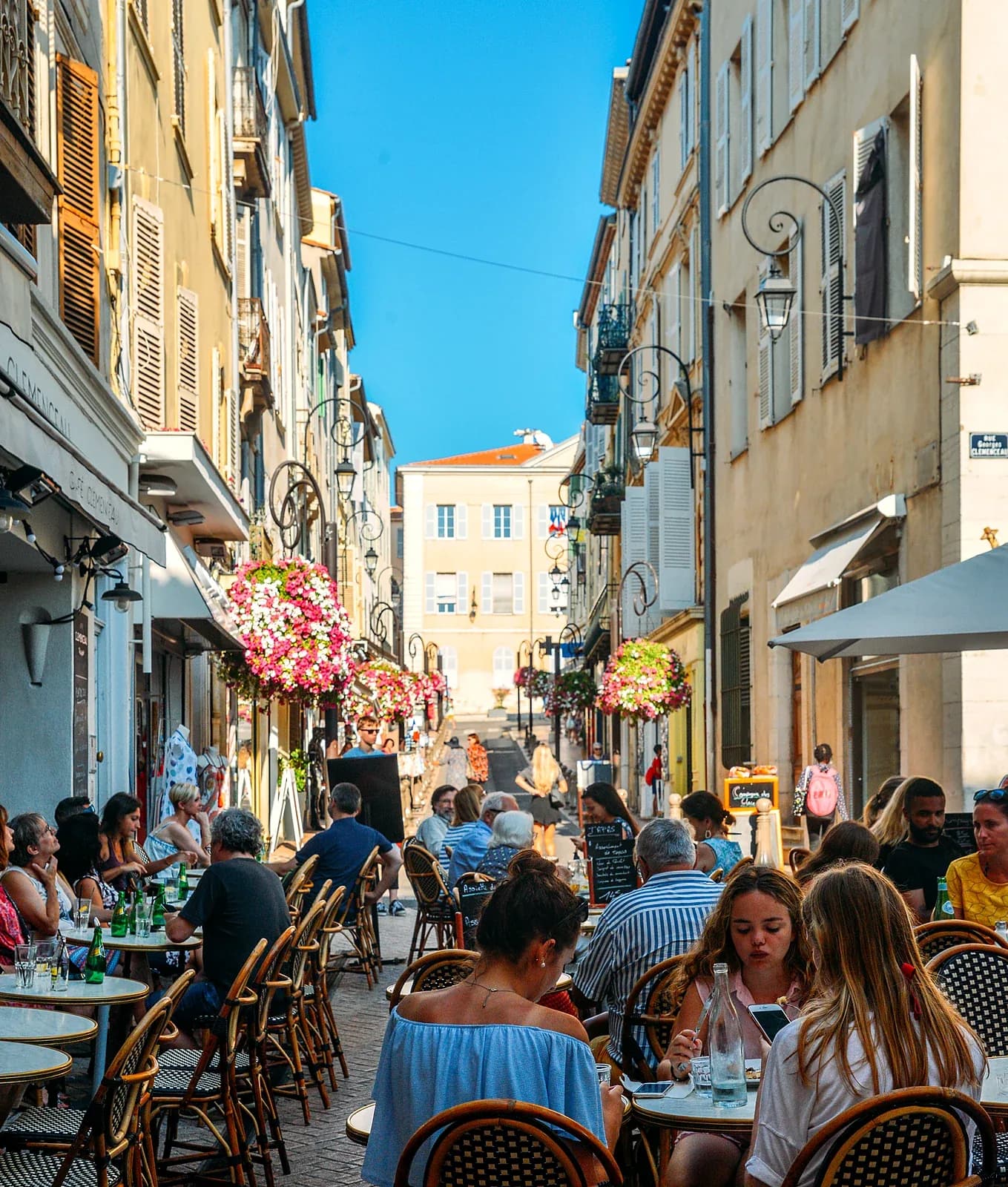
The château shares its rock with the cathedral of Notre-Dame de la Platea, a minute away, and the Marché Provençal sits just below on Cours Masséna, open every morning except Monday from September to May and every morning in summer. Museum at ten, market at half past eleven, lunch at one: the order works.
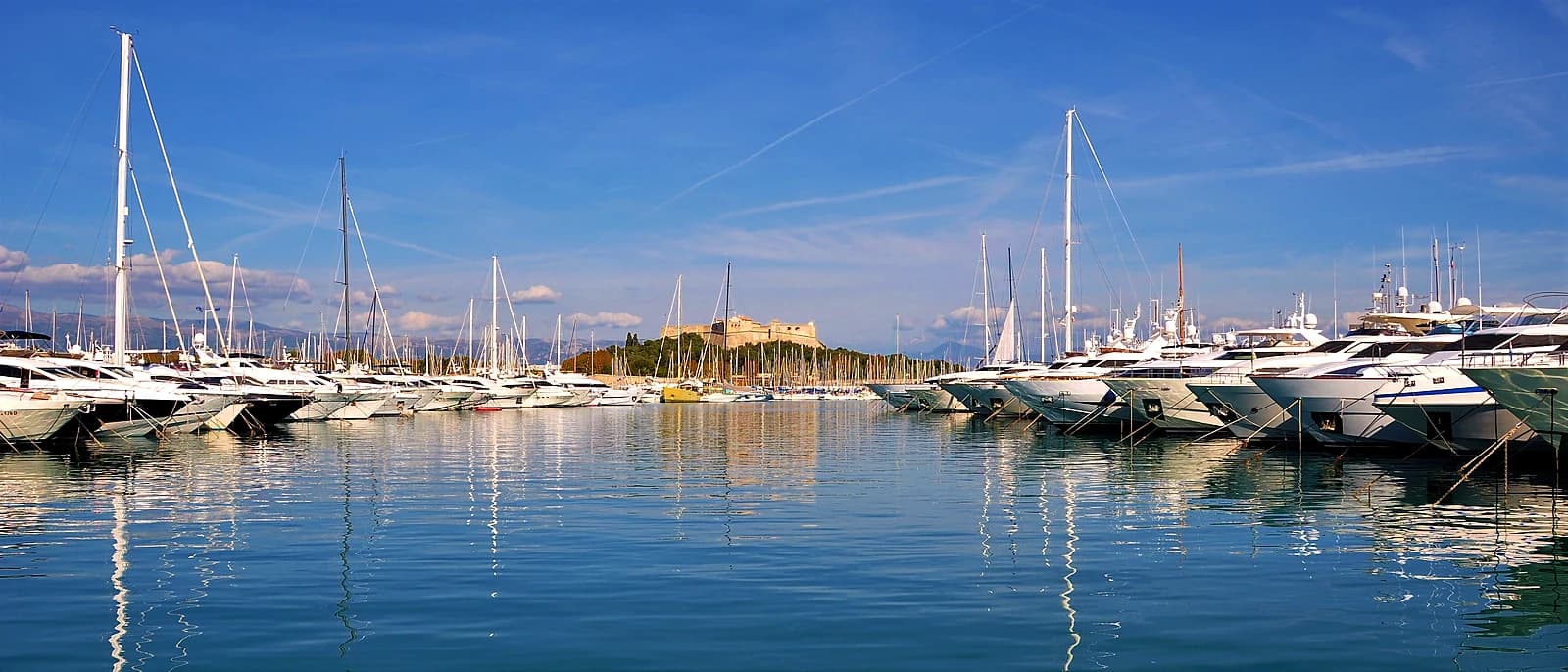
Then walk the sea wall. The Promenade Amiral de Grasse runs along the ramparts with the Baie des Anges and the Alps on the other side; further along the ramparts, the Bastion Saint-André holds the Archaeology Museum, included in the same pass. Across the harbour, the Fort Carré is the fourth site on it.
The whole old town, in orderQuestions
Is the Picasso Museum in Antibes open on Mondays?
No. The Picasso Museum in Antibes is closed every Monday, all year round, and on 1 January, 1 May, 1 November and 25 December.
What are the opening hours of the Picasso Museum in Antibes?
From 15 June to 15 September it is open Tuesday to Sunday from 10:00 to 18:00 without a break. From 16 September to 14 June it opens Tuesday to Sunday from 10:00 to 13:00 and from 14:00 to 18:00. The ticket desk closes at 12:30 and 17:00.
How much is a ticket to the Picasso Museum in Antibes?
At the time of writing, a full-price ticket costs €12 and a reduced ticket €8. Under-18s get in free, and a €15 pass covers the town’s museums and the Fort Carré for seven consecutive days.
When is the Picasso Museum in Antibes free?
Entry is free for everyone during two weeks a year: from the first Tuesday after 1 November to the following Sunday, and from the first Tuesday in February to the following Sunday.
How long does it take to visit the Picasso Museum in Antibes?
About an hour for the Picasso rooms and the sculpture terrace, or an hour and a half with the Nicolas de Staël works and any temporary exhibition. It sits beside the cathedral and the Provençal market, so it fits easily into a morning.
Everything on this page is minutes from our doors.
Seven restored houses inside the old town — live availability, transparent prices, and your hosts two streets away.
More from the guide
View the full guide →